



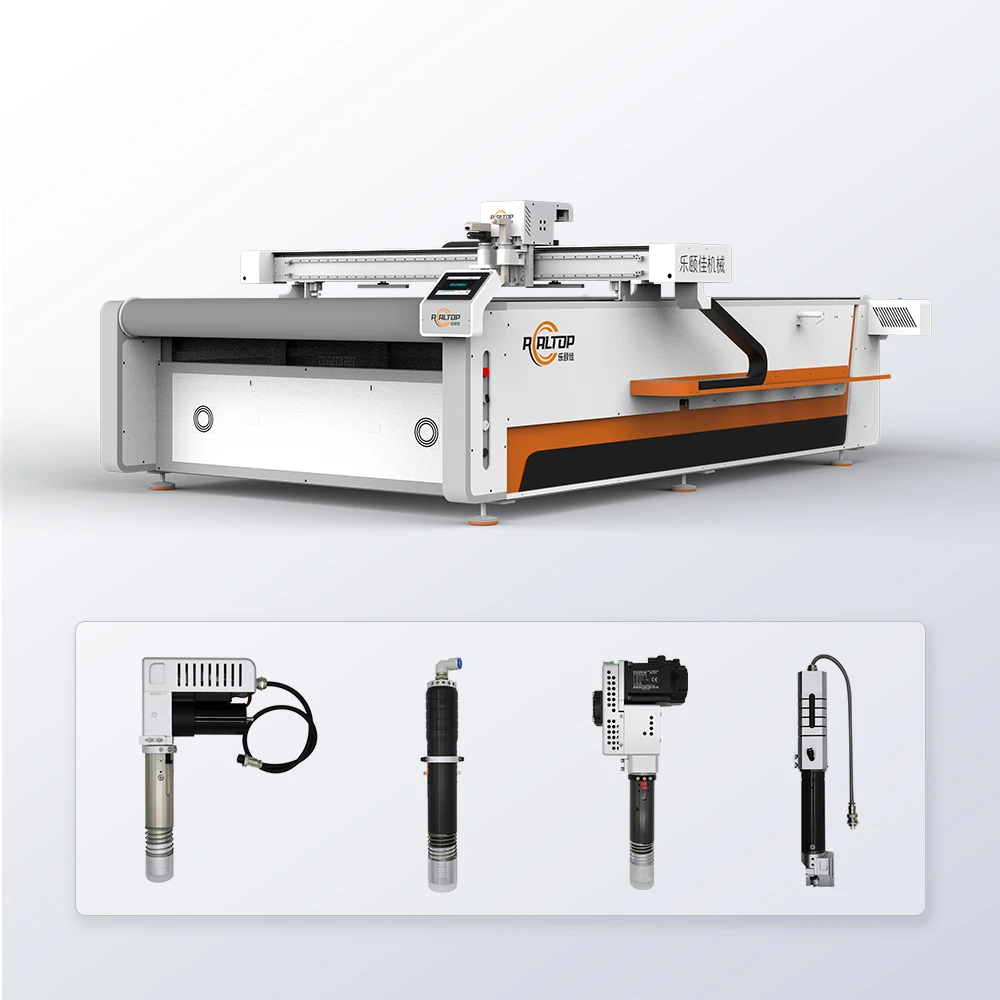

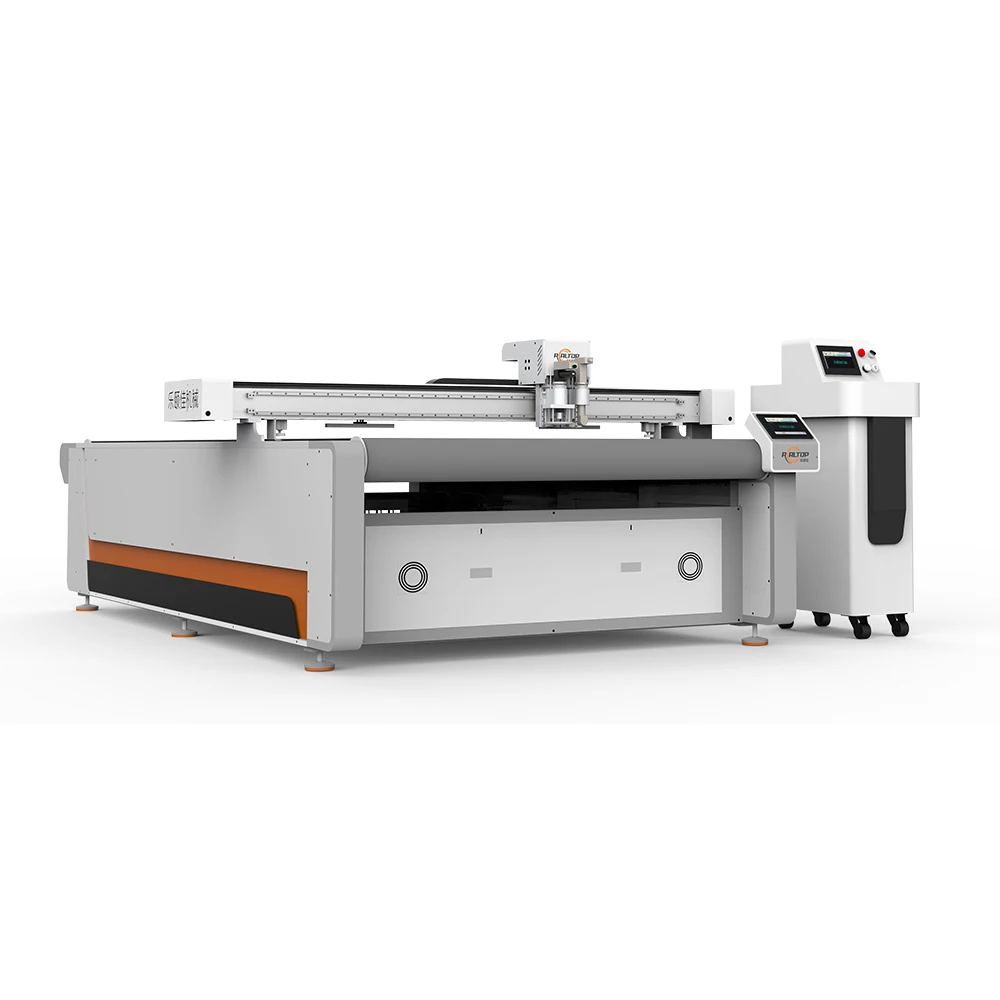
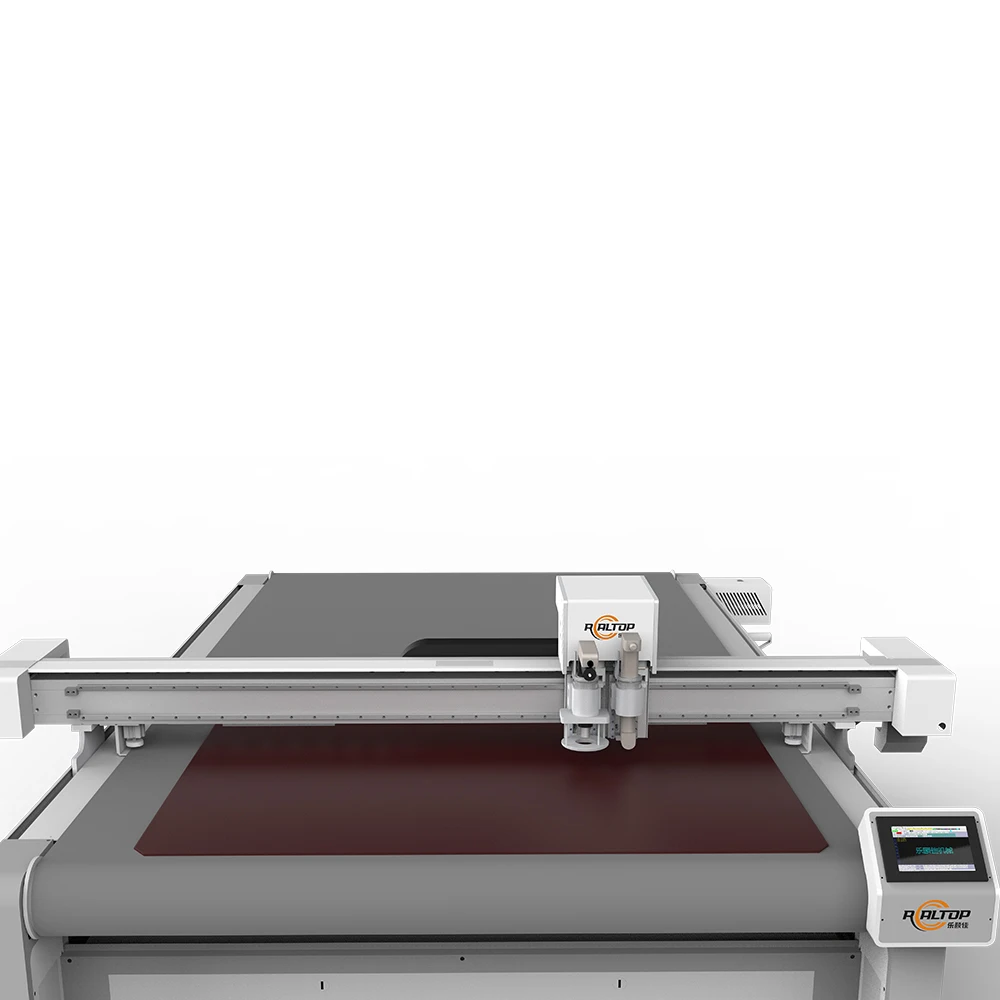
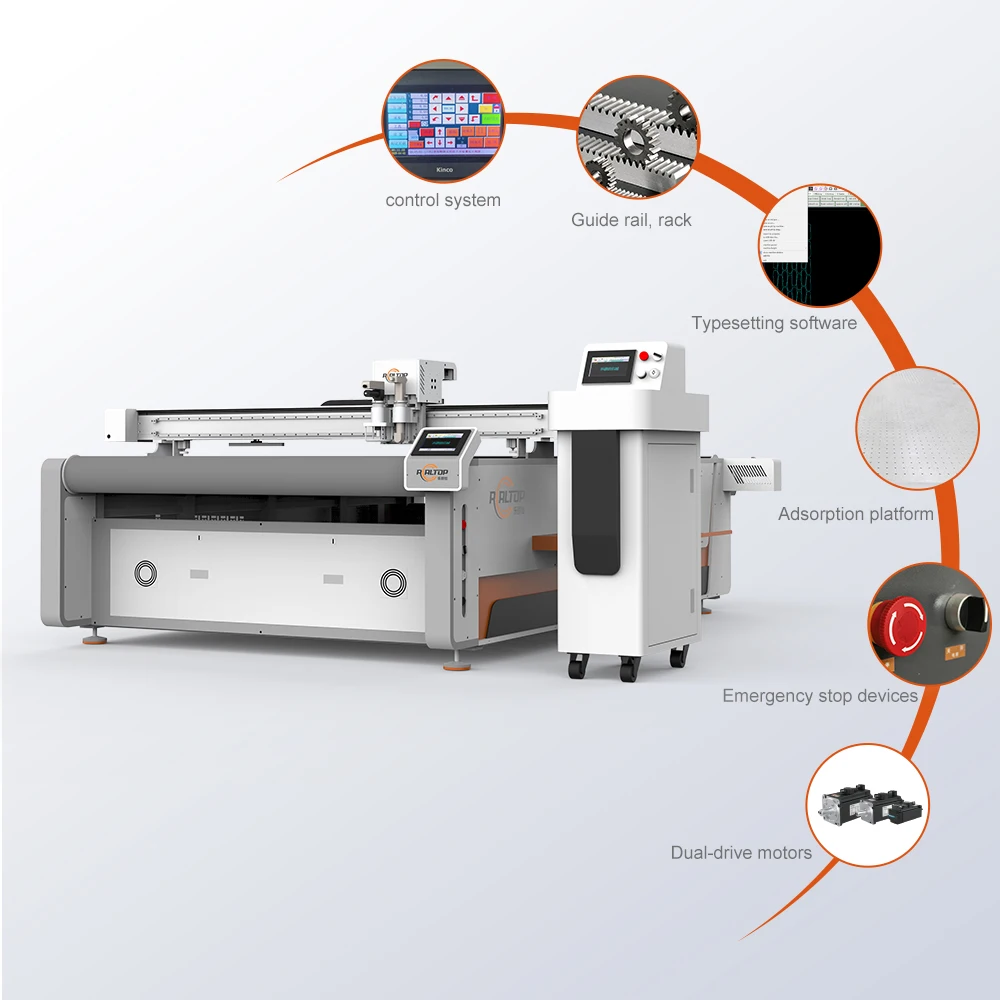

Material-Driven Workflow Integration — Every 1625 configuration starts from your fabric stack behavior, not just table dimensions, with tool head and vacuum zoning matched to your actual production job.
Technical Specifications
| Parameter | Value |
|---|---|
| Model | 1625 |
| Product Type | CNC Oscillating Knife Cutting Machine |
| Working Area | 1600×2500 mm |
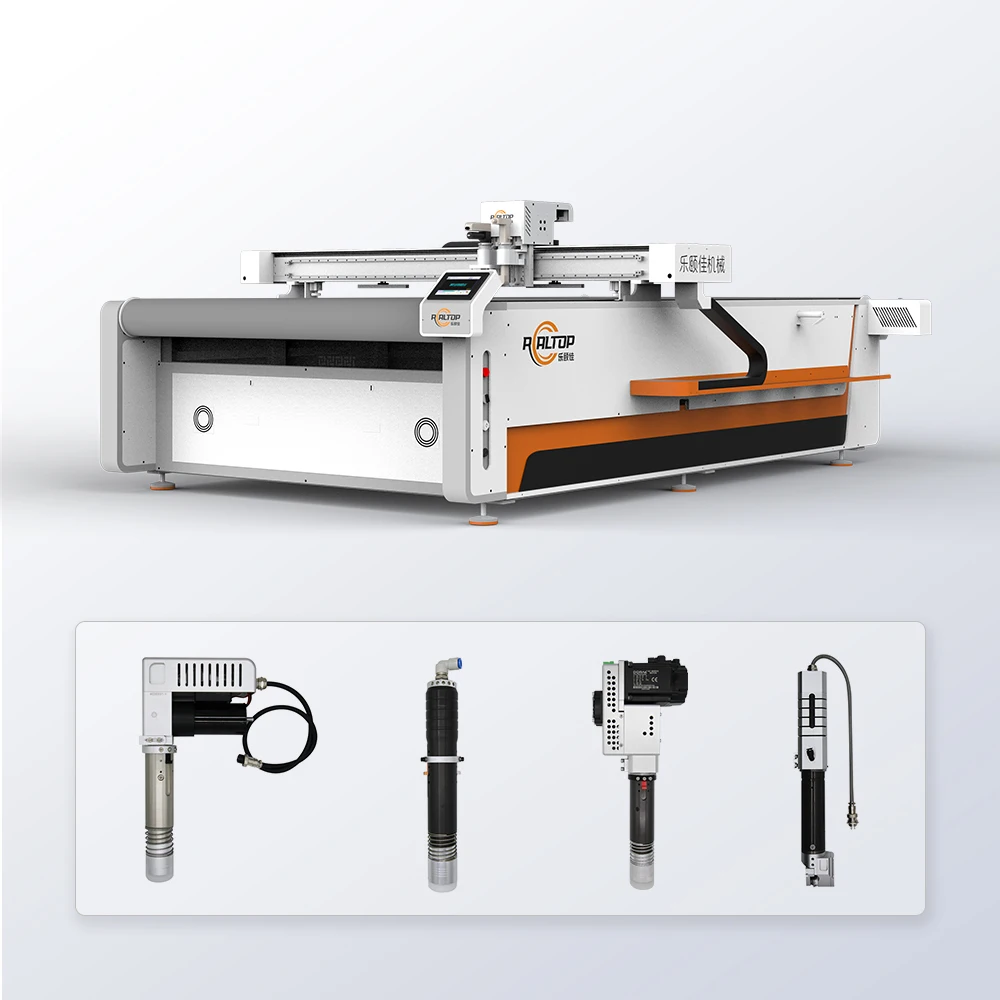
| Tool Head Options | Oscillating knife, Driven rotary knife, Creasing wheel, Kiss cutting tool, Pneumatic knife, Milling tool, V groove knife |
| Cutting Speed | 0–2000 mm/s |
| Cutting Thickness | ≤ 30 mm (basis not stated in source — confirm material type, density and layer count) |
| Cutting Accuracy | ±0.1 mm |
| Vacuum Table | Aluminum bellows vacuum table |
| Vacuum Pump | 9 kW |
| Servo Motor Options | Panasonic, Delta, Dorna (selectable) |
| Control System | PLC control panel with optional display languages |
| Voltage Options | 110V, 220V, 380V (frequency to be confirmed per market) |
| Profile Formats | PLT, DXF, AI, PDF |
| Safety Devices | Infrared sensor, Emergency stop |
| Machine Size | 3300×2100×1350 mm |
| Language Options | English, Russian, Italian, Chinese (custom languages available) |
| Certification | CE declaration |
Application Suitability
| Application | Material or Output |
|---|---|
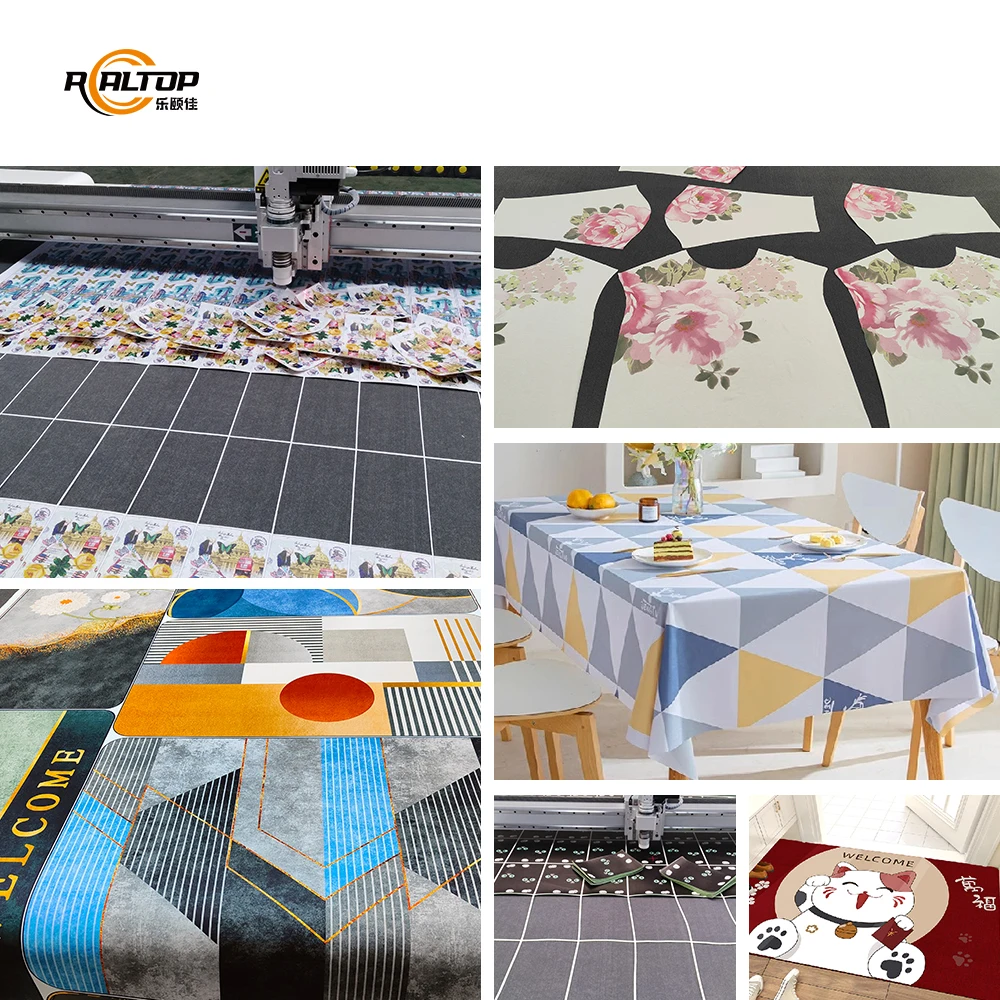
| Apparel manufacturing | Suits, knitwear, lace, complex woven and knitted fabrics |
| Automotive interiors | Seat fabrics, carpets, PVC floor mats |
| Home textiles | Sofa fabrics, curtains, rugs, multi-layer upholstery stacks |
| Composite processing | Carbon fiber prepreg, aramid sheets |
| Packaging and gaskets | Cardboard, carton samples, EVA and rubber gasket profiles |
Why "Working Area" Is the Wrong Starting Point for Fabric Cutting
A cutting table sized only by length and width will fail the moment your fabric behavior changes between plies.
I have walked into workshops where the machine footprint fit the floor plan perfectly, yet the vacuum table could not hold down small pattern pieces during high-speed passes, and the oscillating knife tore through knit layers instead of shearing them cleanly. Production managers discover these mismatches after installation, when material waste and re-cut cycles begin eroding margins. The 1625 CNC Oscillating Knife Cutting Machine production line avoids this trap by starting the specification conversation with your fabric type, stack height, and daily throughput — then matching the tool head, vacuum zoning, and motion parameters to those variables rather than forcing a standard configuration [NEED_CITE: common causes of material lifting in multi-layer fabric cutting operations].
Interchangeable Tool Heads for Different Fabric Behaviors
A single oscillating knife cannot cover every material in a mixed-production shop. The 1625 platform supports seven interchangeable tool heads, including a driven rotary knife for continuous-edge cuts on knits and a kiss cutting tool for single-ply vinyl or adhesive-backed sheets. Switching between heads is a workshop-floor task, not a factory-return procedure, which keeps downtime contained when your order book shifts from woven suit fabric to automotive carpet within the same week. This flexibility is what makes the CNC Oscillating Knife Cutting Machine production line practical for contract cutters handling varied job orders.
Vacuum Table Zoning and Multi-Layer Hold-Down
Multi-layer fabric stacks behave differently under vacuum depending on ply count, weave density, and surface texture. The aluminum bellows vacuum table on the 1625 maintains consistent adsorption across the 1600×2500 mm working area, and zoning allows you to activate only the sections under active cutting. This matters most when nesting small pattern pieces like collar stays or gasket profiles — insufficient hold-down on a small zone causes ply shift, and your ±0.1 mm positioning accuracy becomes irrelevant if the material itself has moved [NEED_CITE: vacuum zoning strategies for small-part nesting on flatbed cutters].
How 9 kW Vacuum and Servo Selection Shape Real Output
The 9 kW vacuum pump is sized for sustained adsorption across the full bellows table, not just peak suction at the manifold. In practice, this means multi-layer sofa fabric stacks stay flat through long nesting runs without progressive edge lift. Servo motor selection — Panasonic, Delta, or Dorna — affects acceleration profiles and cornering behavior at the upper end of the 0–2000 mm/s speed range. Higher-inertia servo options maintain tighter path following on complex contour work, which directly influences edge quality on automotive seat panels where burr-free edges are a delivery requirement. The PLC control panel ties these subsystems together with language options that let your local operators run the machine without relying on translated manuals.
The Cost of Skipping the Material Conversation
I once spent two days on-site at an automotive mat facility because the tool head specified at order could not handle multi-layer leather at the required vibration frequency — edges came out ragged, and an entire batch was scrapped before we re-tuned the oscillation parameters and swapped to a pneumatic knife configuration. That kind of field correction costs far more in wasted material and missed delivery windows than a proper pre-order sample cut would have [NEED_CITE: financial impact of unplanned material waste in cutting operations]. When a CNC Oscillating Knife Cutting Machine production line arrives without a verified tool head and configuration list matched to your actual fabric stack, the real commissioning begins on your shop floor, on your time.
Why Source This Cutter Through the Application Channel
Tool head and table configuration are specified per material and production volume before the order is locked, not substituted from a standard build list. Sample cutting runs on your own fabric — with a written report covering edge quality, ply adhesion, and achievable speed — give you a physical benchmark before commitment. The in-house design team covers both knife cutting and adjacent automation, so workflow integration questions about conveyor feed, offload, or upstream nesting software get answered by the engineers who built the motion platform. Voltage, plug type, and control language are confirmed line-by-line on the specification sheet before production starts, avoiding the arrival-day surprises that stall commissioning [NEED_CITE: voltage and frequency confirmation practices for exported CNC equipment].
Documentation & Verification
- Sample cutting report on your fabric showing edge quality at target stack height
- Tool head and table configuration list matched to your material and volume
- Electrical schematic with confirmed voltage and frequency for your facility
- Software licence and file format compatibility note for your nesting workflow
- Factory test record demonstrating cutting speed and accuracy on your material
- Operation and maintenance manual in your selected control language
Installation, Commissioning & Support
- Foundation must support the 3300×2100×1350 mm footprint with level tolerance for the bellows table
- Dedicated circuit sized for the 9 kW vacuum pump plus servo and PLC load at your confirmed voltage
- Machine ships partially assembled; table leveling and vacuum seal check completed on-site
- First-run parameter tuning covers oscillation frequency, vacuum zoning, and feed rate on your fabric
- Operator training covers tool head changeover, nesting file import, and PLC language navigation
- Spare parts list identifies oscillating blades, rotary knife consumables, and vacuum seal wear items
- Preventive maintenance schedule covers bellows inspection, servo calibration, and rail lubrication intervals
What to Prepare Before Requesting a Quote
Send a fabric sample or data sheet covering material composition, ply count, and maximum stack height you plan to cut. Include your daily volume target and the nesting file formats your design team currently uses so we can verify import compatibility with the PLT, DXF, AI, and PDF profile support. Specify the voltage and frequency at your facility, along with the control language your operators need — the PLC panel supports English, Russian, Italian, and Chinese as standard, with custom language options available.
Frequently Asked Questions
Q: How do I verify cutting thickness claims match my fabric stack height and material type?
A: Thickness capacity depends on material density and ply count, not just a single number. Request a sample cutting report run on your own fabric at your target stack height. The report documents edge quality, ply adhesion, and the tool head used, giving you a physical benchmark tied to your specific material rather than a generic specification.
Q: What tool head configuration handles my specific material without ragged edges or crushing?
A: The 1625 platform offers seven tool heads including oscillating knife, driven rotary, and pneumatic knife options. Selection depends on whether your fabric is woven, knitted, or composite. A pre-order sample cut on your material confirms the right combination of tool head, vibration frequency, and cutting pressure before the machine enters production.
Q: How does vacuum table zoning prevent material lifting during high-speed cutting of small pattern pieces?
A: The aluminum bellows vacuum table allows zone-specific activation, concentrating suction where the cutter head is working. This keeps small nested parts like collar stays or gasket profiles flat under the knife, preventing ply shift that would compromise the ±0.1 mm positioning accuracy during rapid traversal moves.
Q: Can the system import my existing nesting files and integrate with my production workflow?
A: The control system accepts PLT, DXF, AI, and PDF profile formats directly. Before order confirmation, a file format compatibility note documents which of your existing nesting outputs import cleanly, and any required conversion steps are identified so your workflow is uninterrupted at commissioning.
Q: What voltage and control language options are available for my facility?
A: Voltage is configurable across 110V, 220V, and 380V options with frequency confirmed to match your local grid. The PLC control panel supports English, Russian, Italian, and Chinese as standard display languages, and special language customization is available to match your operator team’s requirements.





商品评价
Clear filtersThere are no reviews yet.