



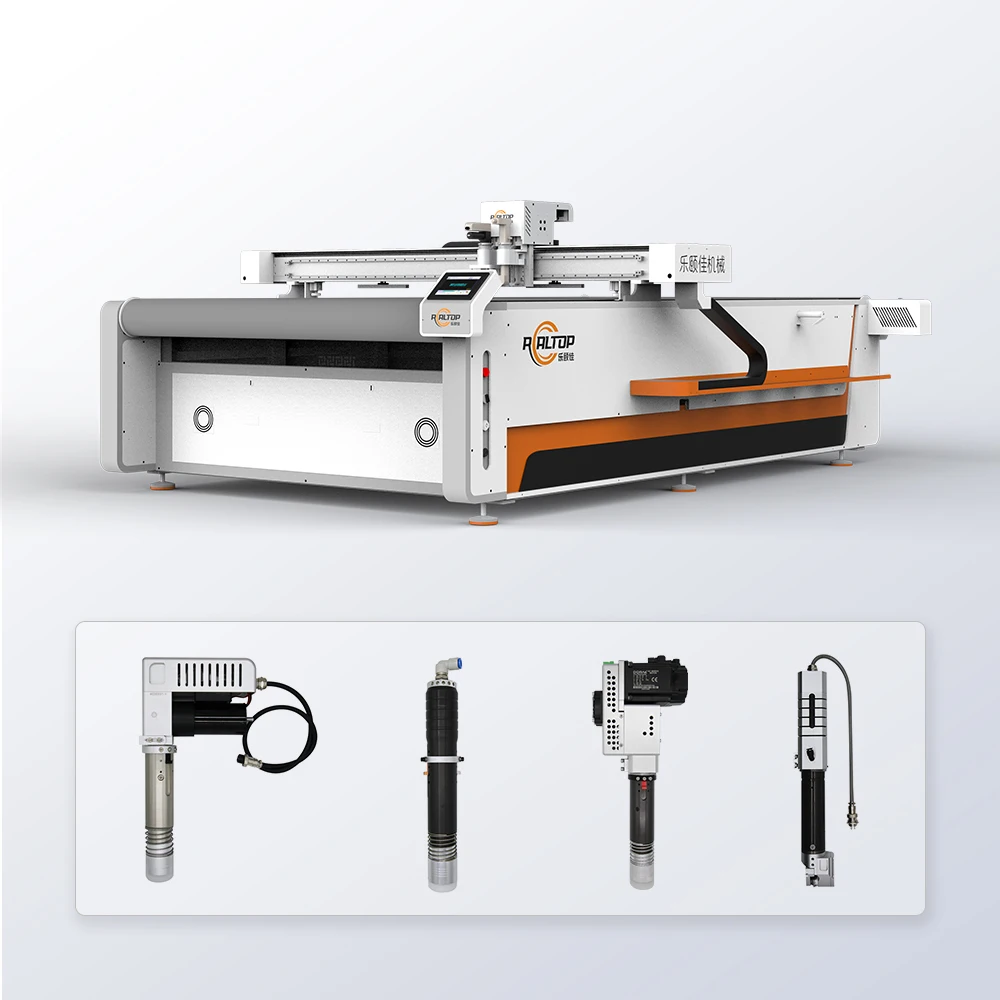
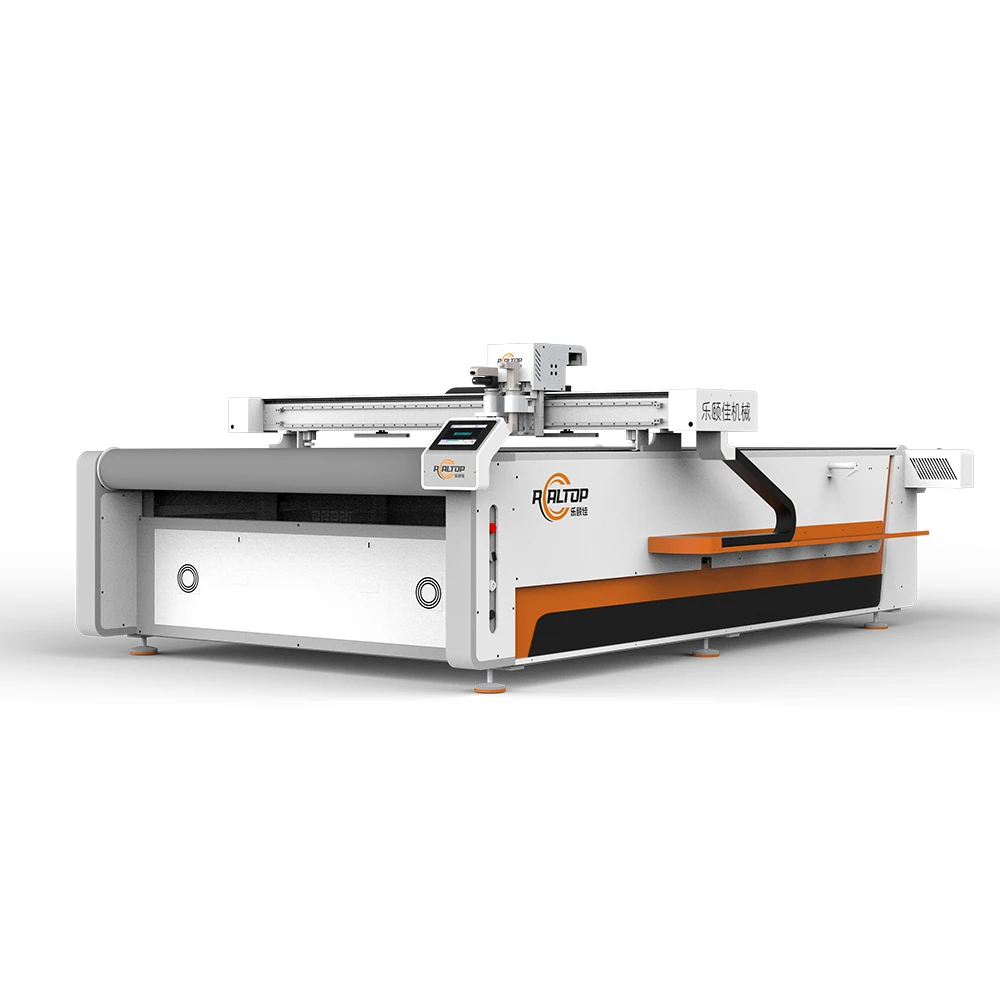
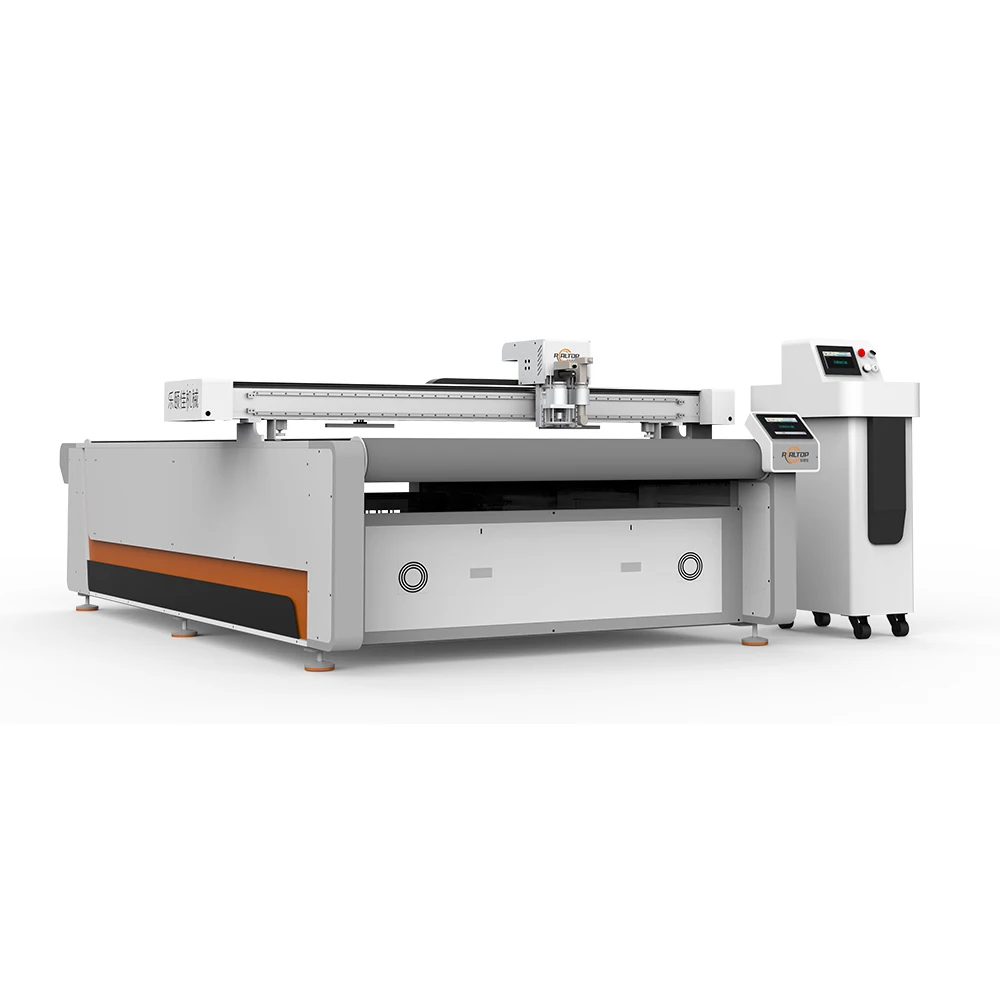
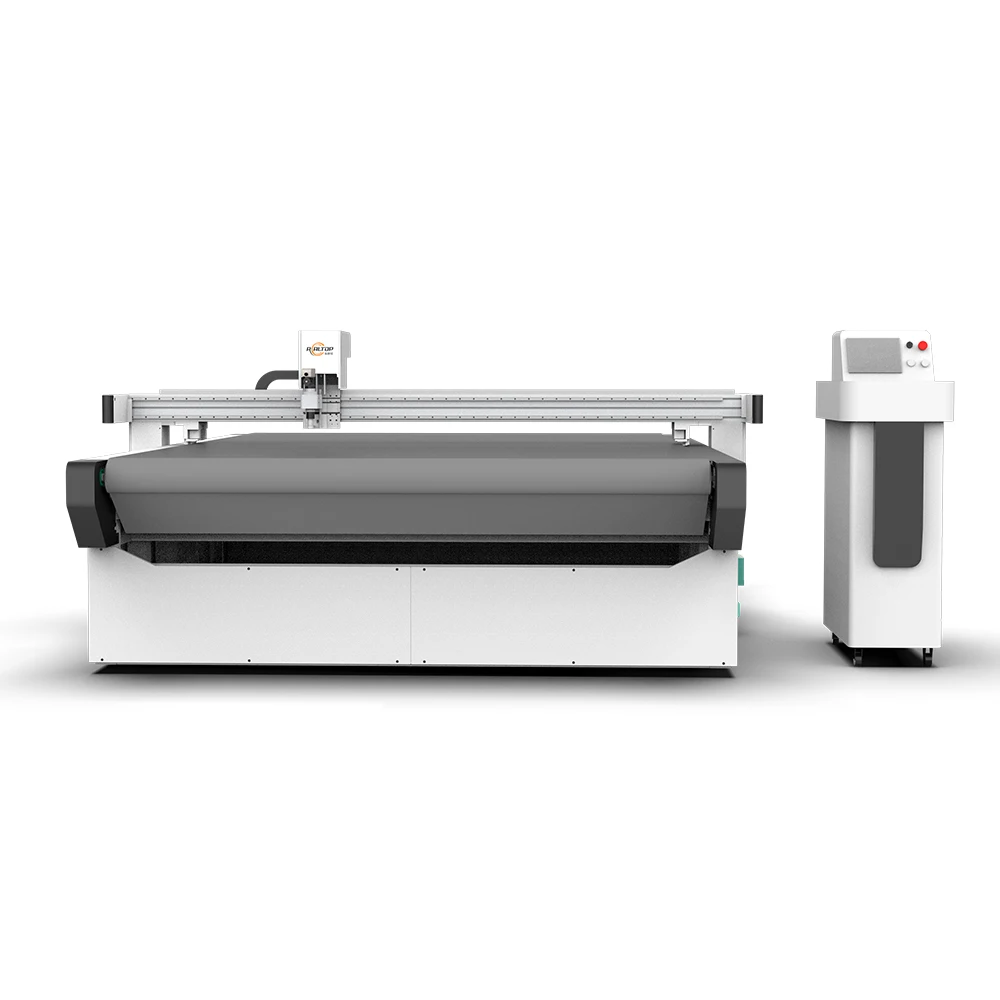


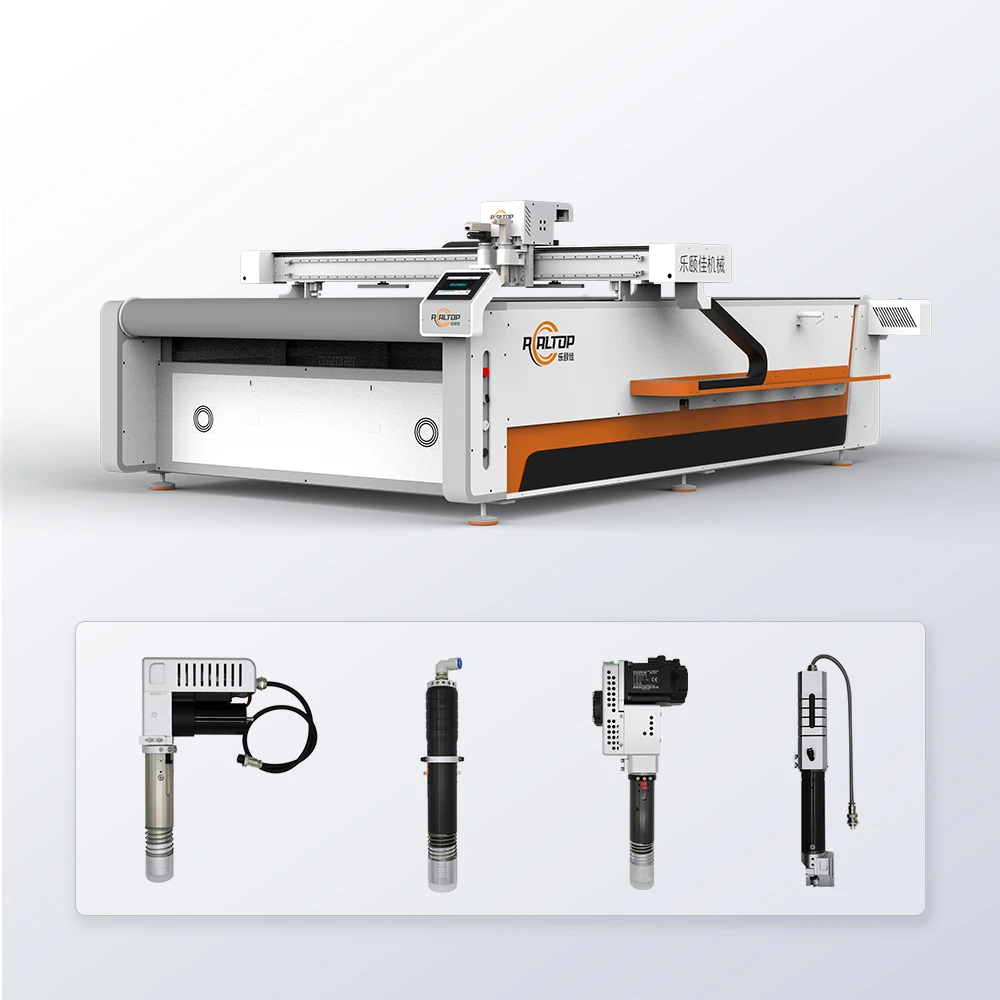
Tool Head Matched to Fabric Weight — every 1625 cutter leaves our Jinan shop with the oscillating or rotary knife selected against the buyer’s actual ply count and textile type, not a default assembly.
Technical Specifications
| Parameter | Value |
|---|---|
| Product Type | CNC Oscillating Knife Cutting Machine |
| Model | 1625 |
| Working Area | 1600×2500 mm |
| Tool Head Options | Oscillating knife, Driven rotary knife, Creasing wheel, Kiss cutting tool, Pneumatic knife, Milling tool, V groove knife |
| Cutting Speed | 0–2000 mm/s |
| Cutting Thickness | ≤ 30 mm (basis not stated in source — confirm material type, density and layer count) |
| Cutting Accuracy | ±0.1 mm (repeatability context not specified in source) |
| Vacuum Pump | 9 kW |
| Vacuum Table | Aluminum bellows type |
| Control System | PLC control panel |
| Servo Drive Options | Panasonic, Delta, Dorna (rated or peak not specified in source) |
| Supported File Formats | PLT, DXF, AI, PDF |
| Voltage Options | 110V, 220V, 380V (frequency not stated in source) |
| Software Language Options | English, Russian, Italian, Chinese (custom languages available) |
| Safety Devices | Infrared sensor, emergency stop |
| Machine Size | 3300×2100×1350 mm |
| Certification | CE |
Application Suitability
| Application | Material or Output |
|---|---|
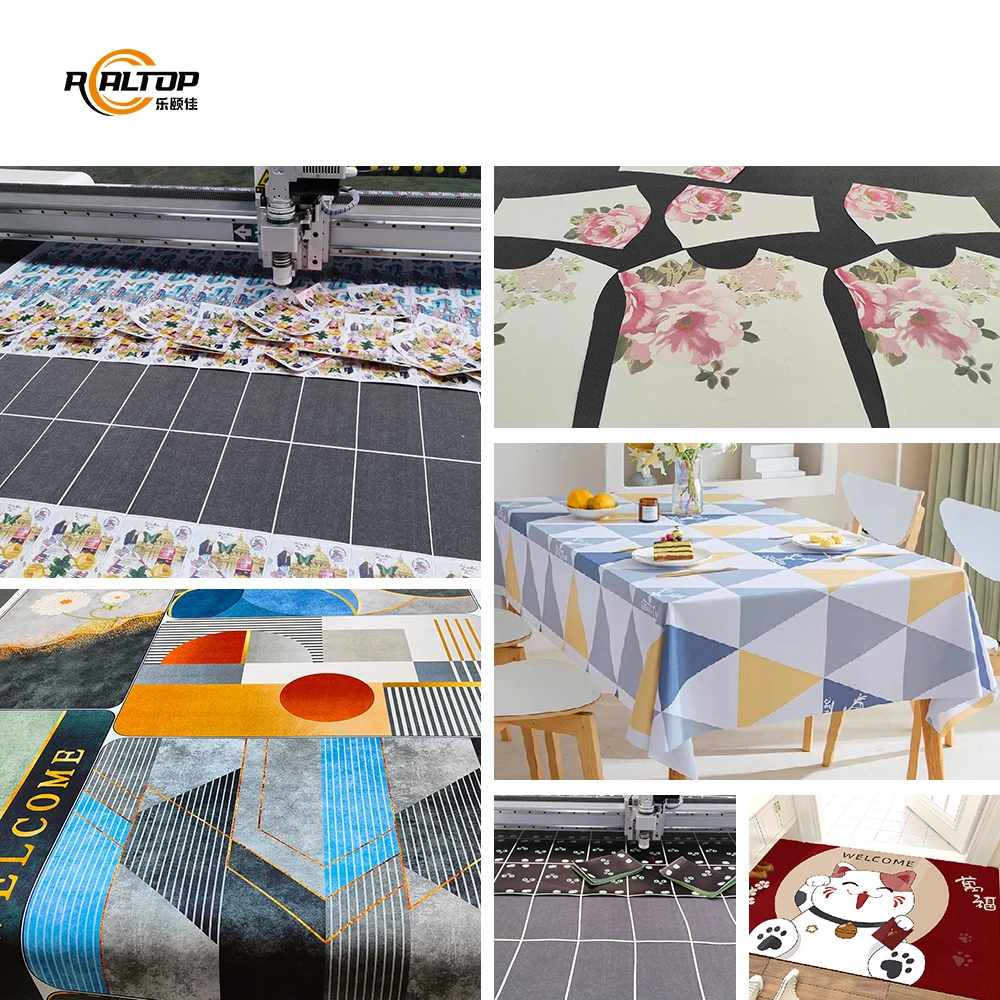
| Silk scarf and luxury apparel cutting | Single-ply woven silk, charmeuse, chiffon and lightweight blends |
| Multi-layer garment production | Knit jersey, denim, suiting wool stacked to confirmed ply depth |
| Home textile fabrication | Sofa upholstery, curtain fabrics, rugs and heavy drapery textiles |
| Automotive interior trimming | Seat cover fabrics, carpet, PVC floor mats cut to OEM edge standards |
| Composite textile processing | Carbon fiber prepreg, aramid weaves and technical laminates |
What Wrong Tool Head Selection Costs Your Cutting Table
A blade chosen for working area instead of fabric construction produces ragged edges, crushed plies and scrap rates that no software nesting can recover.
When a Middle East buyer orders a machine rated for heavy canvas and runs delicate chiffon, the oscillating knife shreds the weft within meters. Conversely, a driven rotary knife pushed through multi-layer denim stalls, overheats and leaves fused edges requiring manual rework. These mismatches surface weeks after installation, once the production team has already committed raw material to the bed [NEED_CITE: CNC oscillating knife cutting machine for garment and textile production edge quality by tool type]. The CNC oscillating knife cutting machine for garment and textile production must be configured around the specific textile, not sold as a universal platform.
Matching the Knife to Silk, Knit and Technical Weaves
The 1625 carries interchangeable heads that swap without recalibrating the gantry. An oscillating knife handles single-ply silk and charmeuse by vibrating at high frequency to shear the fiber cleanly without drag, while a driven rotary knife takes over on stacked knits and denim where continuous rotation slices through multiple plies in one pass. For kiss-cut applications on laminated composites or adhesive-backed textiles, the kiss cutting tool scores the top layer without penetrating the carrier sheet.
Vacuum Hold-Down and Ply Stability Across the Bed
Lightweight silk and slippery synthetics shift under blade pressure unless the table seals completely. The aluminum bellows vacuum table on this CNC oscillating knife cutting machine for garment and textile production pairs with a 9 kW pump to pull air evenly across the 1600×2500 mm surface, pinning single-ply scarves and multi-layer upholstery stacks without mechanical clamps. Zoning allows operators to isolate suction to the active cutting zone, preventing small pattern pieces from lifting at the edges during high-speed contour passes [NEED_CITE: vacuum table zoning effectiveness on lightweight textile cutting].
Reading the Specs That Actually Govern Edge Quality
The 0–2000 mm/s speed range means little unless matched to fabric density; running silk at top speed tears the selvedge, while crawling through denim wastes shift time. The ±0.1 mm repeatability figure governs pattern-matching accuracy for plaids and stripes, where even half a millimeter of drift misaligns a jacket front. Panasonic, Delta or Dorna servo drives are available depending on the responsiveness required for intricate lace contours versus long straight lays. File format support across PLT, DXF, AI and PDF lets the intelligent nesting system ingest patterns directly from the buyer’s existing CAD workflow without re-digitizing, and the defect avoidance routine routes around fabric flaws detected during lay inspection.
The Hidden Cost of Skipping the Sample Cut
Buyers who approve a bill of materials based on brochure specifications and skip the sample cutting test routinely discover edge fraying on their actual production fabric only after the machine is bolted to their floor. A tool head optimized for PVC will crush lace; a vacuum zone sized for full hides leaves small collar pieces floating. These problems compound because the nesting software has already optimized material yield around a cutting profile that does not match reality [NEED_CITE: textile cutting sample verification before shipment best practice]. Reworking the configuration after installation costs downtime, replacement blades and wasted yardage.
Why Production Managers Source This Configuration
In-house design covering both knife and laser technologies means the buyer selects the cutting method suited to the textile rather than forcing a single approach across all materials. Tool head and table configuration is specified per fabric type and daily volume, documented in a written list before production begins. CCD camera positioning is available for printed contour work where the knife must follow registered marks on dyed scarf panels. Software compatibility is confirmed against the buyer’s existing PLT or DXF pattern library during the quotation stage, not assumed at shipment. Voltage, control language and plug type are locked to the destination country before the electrical cabinet is wired.
Documentation & Verification
- Electrical schematic confirming voltage and frequency for the buyer’s market before cabinet assembly
- Tool head and vacuum table configuration list matched to stated fabric weight and ply count
- Sample cutting report on buyer-supplied silk, knit or composite material with edge photographs
- Software licence and file format compatibility note covering PLT, DXF, AI and PDF import validation
- Factory test record documenting repeatability and vacuum seal across the full working area
- CE declaration and spare parts list with blade and belt consumption intervals
Installation, Commissioning & Support
- Floor must sustain the 3300×2100×1350 mm footprint plus operator clearance on three sides
- Dedicated circuit sized for 9 kW vacuum pump plus servo and PLC draw at confirmed voltage
- Machine ships in a single assembled frame requiring only gantry and tool head mounting on arrival
- First-run parameter setting covers blade depth, oscillation frequency and vacuum zone mapping
- Operator training addresses tool head changeover, nesting import and emergency stop protocols
- Consumable blade inventory and belt replacement schedule documented for the first production quarter
Before You Request a Quotation
Send the actual fabric you intend to cut, including the heaviest multi-layer stack and the lightest single-ply scarf, along with your daily yardage target and pattern file format. Confirm the local voltage and frequency at your facility so the electrical cabinet is wound correctly before assembly. If your workflow depends on a specific nesting software or CAD export, share a sample file so we verify import and toolpath generation before the order is finalized.
Frequently Asked Questions
Q: How is the ≤30 mm cutting thickness verified for my specific fabric stack?
A: The figure originates from a source material and density not stated in general specifications. Before quotation, we cut your actual fabric at your production ply count and record edge quality, blade wear and achievable speed in a sample report, so the confirmed thickness reflects your real lay rather than a catalog assumption.
Q: Which tool head should I run on silk versus multi-layer denim?
A: Single-ply silk and charmeuse typically require the oscillating knife for clean shearing without drag, while stacked denim and heavy knits suit the driven rotary knife for continuous slicing through the full lay. The configuration list provided with your quotation specifies the recommended head for each material in your product mix.
Q: Will the nesting software accept my existing DXF and AI pattern files?
A: The intelligent nesting system imports PLT, DXF, AI and PDF directly. During quotation we request a sample file from your current CAD workflow, generate a toolpath and return a compatibility note confirming that import, defect avoidance and yield calculation function without re-digitizing your pattern library.
Q: Can the vacuum table hold small pattern pieces without lifting?
A: The aluminum bellows table with its 9 kW pump supports zoning, allowing suction to concentrate under the active cutting area. This prevents small collar, cuff and label pieces from drifting at the edges during high-speed contour passes, a frequent problem when the full table area draws vacuum equally.
Q: What electrical and language details are confirmed before the machine ships?
A: Voltage is selected from 110V, 220V or 380V options and matched to your local frequency before the cabinet is wired. Control panel language is set from English, Russian, Italian, Chinese or a custom option, and plug type is specified to your national standard, all documented in the pre-shipment electrical schematic.




商品评价
Clear filtersThere are no reviews yet.