





Validated Cutting Depth — Every layer count and stack height is tested on your actual denim or knit fabric before the tool head and vacuum zoning are locked in.
Technical Specifications
| Parameter | Value |
|---|---|
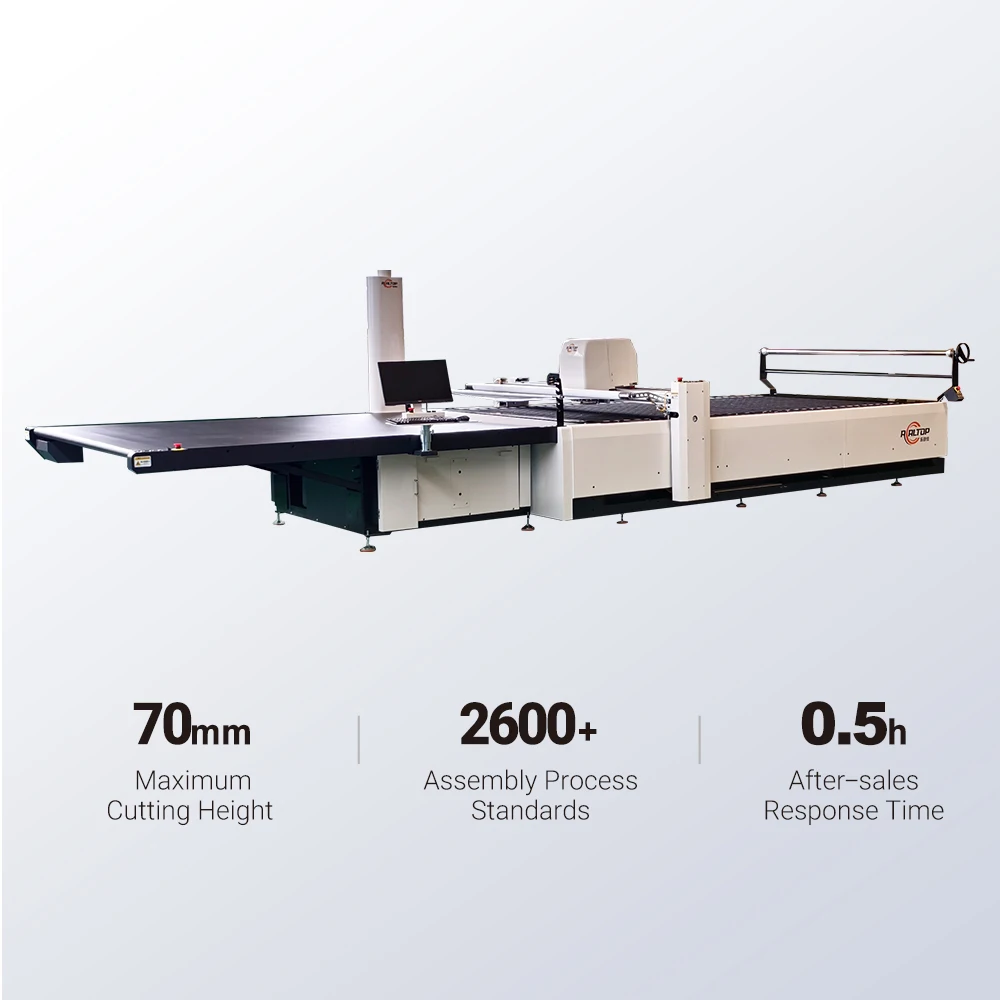
| Product Type | CNC Oscillating Knife Cutting Machine |
| Working Area (L×W) | 2000×1700mm / 2000×1900mm / 3300×2300mm |
| Max Operating Speed | 80m/min |
| Average Cutting Speed | 12m/min |
| Cutting Thickness | Up to 70mm after vacuum adsorption (basis: multi-layer textile fabric) |
| Voltage & Frequency | 380V / 50Hz |
| Rated Power | 26kW |
| Air Supply Requirement | 160 L/min |
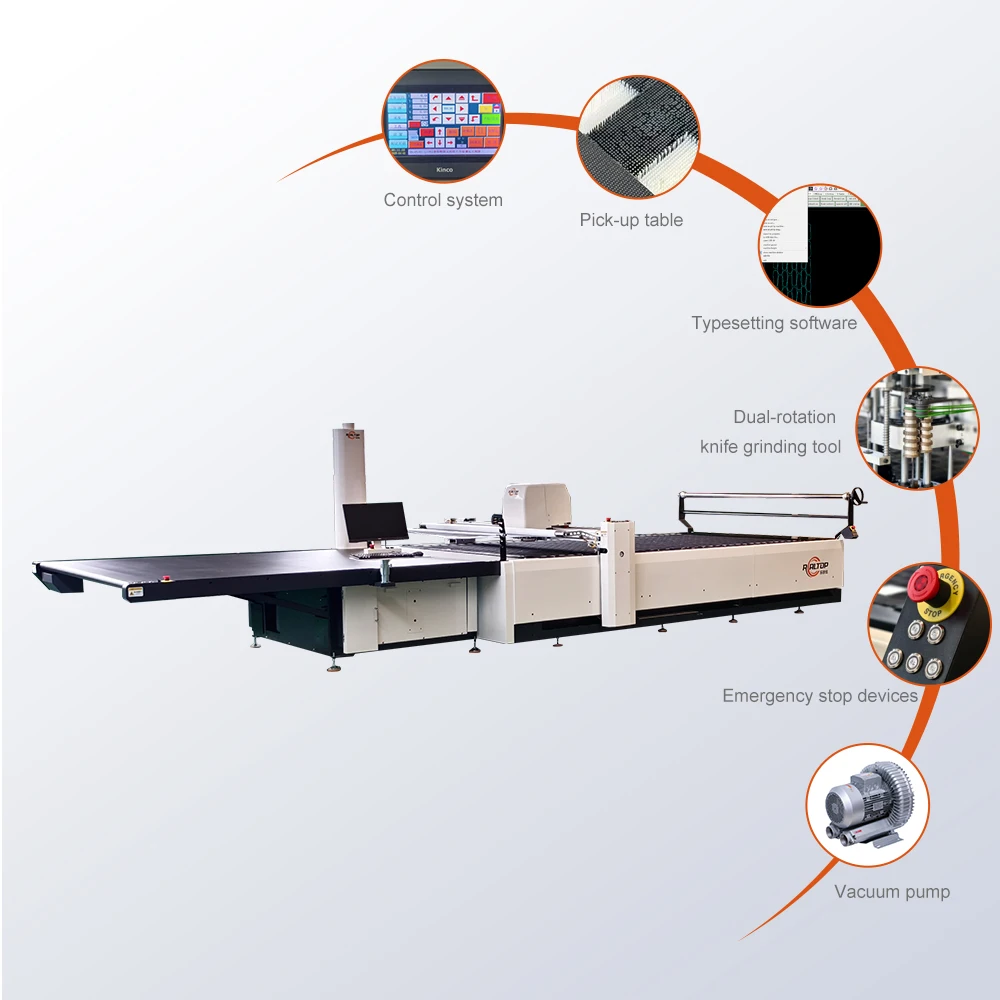
| Blade Grinding Method | Double rotary sharpener |
| Vacuum Table | Aluminum bellows vacuum table |
| Tool Head Type | Interchangeable oscillating knife |
| Control System | PLC control panel with intuitive interface |
| Software Compatibility | DXF / PLT / AI / PDF file import |
| Servo Drive Options | Panasonic, Delta, Dorna |
| Positioning Accuracy | ±0.1mm repeat positioning |
| Language Options | English, Russian, Italian, Chinese; custom languages available |
| Certification | CE |
Application Suitability
| Application | Material or Output |
|---|---|
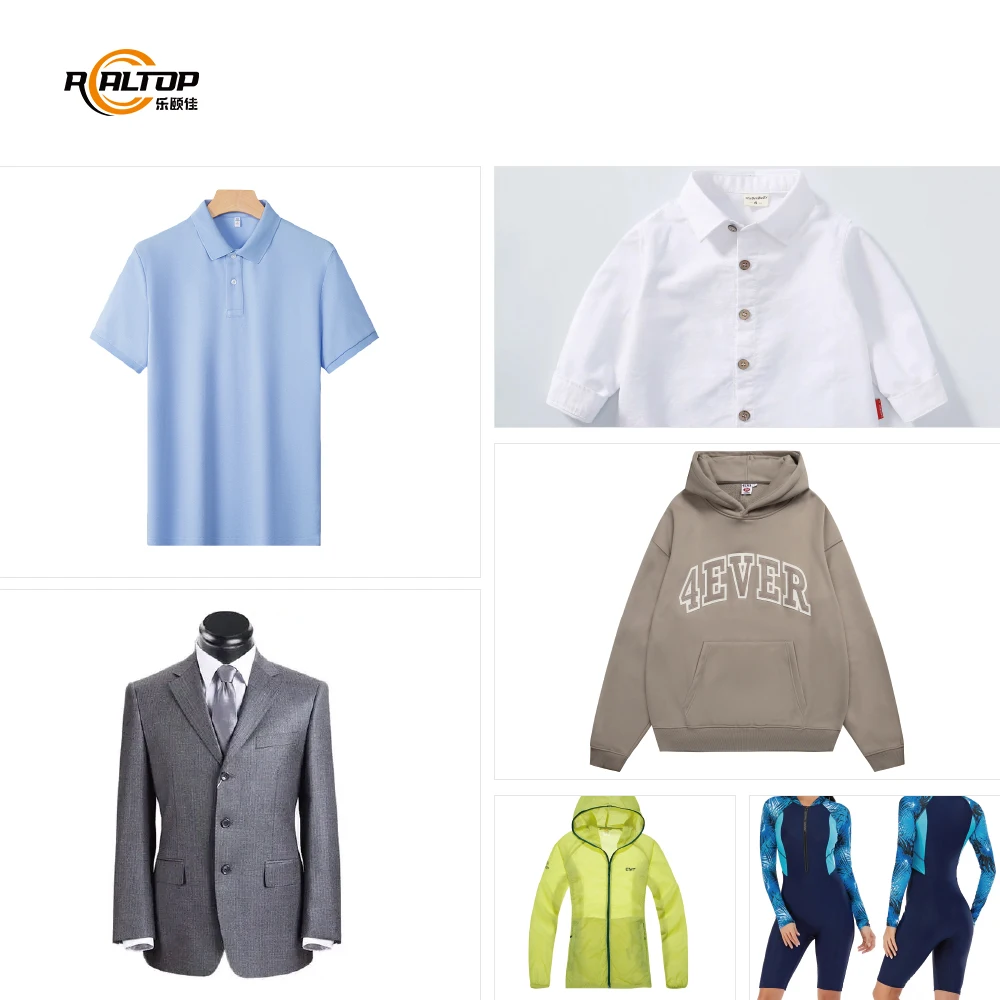
| Multi-layer jeans production | Denim stacks up to 70mm compressed thickness |
| Suit and knitwear manufacturing | Woven and knit fabrics requiring pattern-matching layouts |
| Home textile cutting | Sofa upholstery, curtains, rugs in thick multi-layer batches |
| Apparel sampling | Lace, complex woven, plush (0.1–70mm thickness range) |
Why Stack Thickness Matters More Than Table Size
A multi-layer fabric CNC cutting machine for garment production is only as capable as its verified cutting depth on your specific material. Buyers often select a cutter based on working area dimensions, assuming any machine with a large bed will handle their fabric stack. In reality, denim, knit blends, and plush textiles compress differently under vacuum, and an oscillating knife that slices cleanly through 40 layers of cotton may produce frayed edges on 30 layers of elastic denim blend. [NEED_CITE: material compression behavior under vacuum hold-down in textile cutting]
I once set up a line for a jeans factory that ran standard denim without issue during testing, but their daily production used a stretch-blend fabric. The knife dragged, edges frayed, and entire stacks were rejected. The fix was not a bigger motor — it was re-tuning vacuum zoning and adjusting blade oscillation frequency to match the material’s behavior.
Vacuum Zoning That Matches Your Pattern Pieces
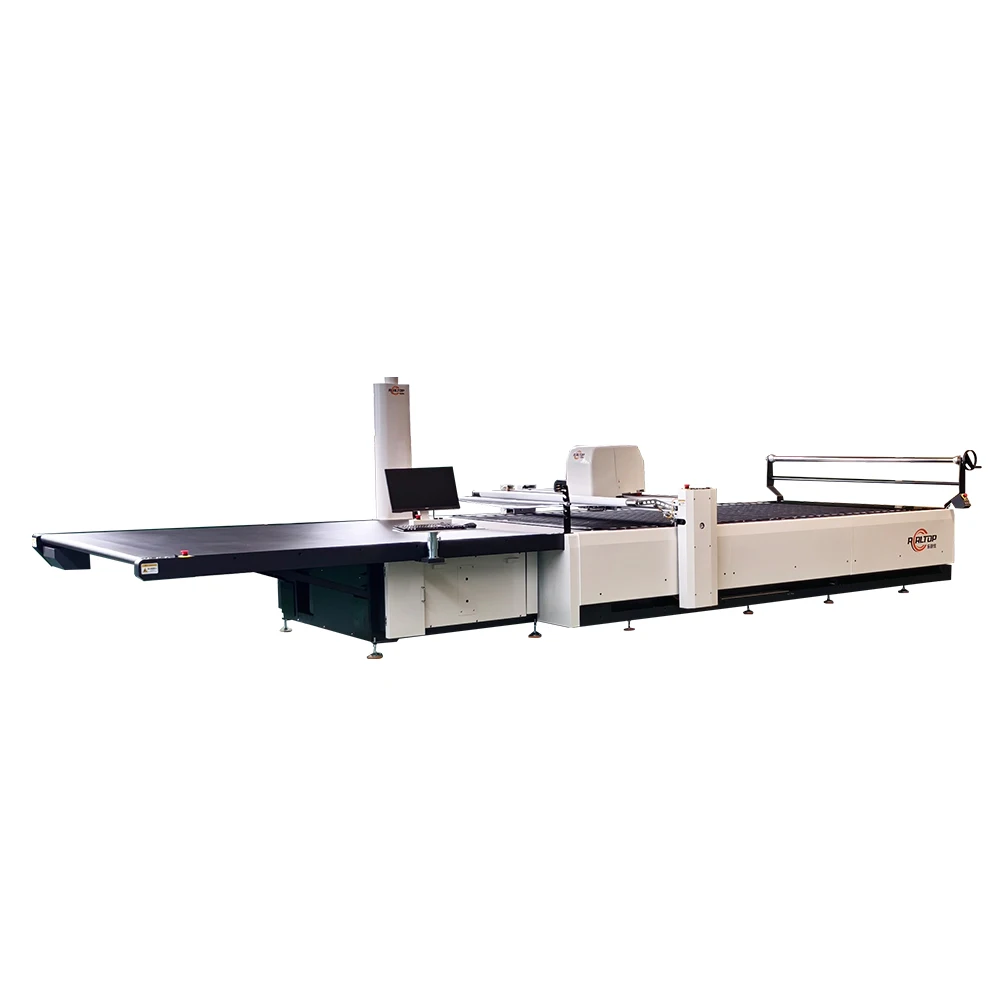
Small garment pieces like collar inserts or pocket flaps tend to lift off the table when vacuum suction is applied as a single zone. This multi-layer fabric CNC cutting machine for garment production uses an aluminum bellows vacuum table divided into independently controlled zones, so suction concentrates only where the knife is actively cutting. The result is that narrow or lightweight cut pieces stay pinned in place, preventing the blade from pulling fabric upward and producing ragged edges that require secondary trimming.
Oscillation Frequency and Fabric Behavior
The interchangeable oscillating knife head adjusts its stroke frequency to suit the stack composition. Denim layers demand a different oscillation rhythm than plush or fleece. When the frequency is mismatched, the blade pushes rather than slices through lower layers, causing visible distortion on the bottom plies. The double rotary sharpener maintains edge sharpness across extended runs, so blade swaps do not interrupt a full shift of multi-layer cutting. [NEED_CITE: oscillating knife stroke frequency impact on multi-layer textile edge quality]
Reading the Specs That Actually Matter
Cutting thickness of up to 70mm after vacuum adsorption is the operative number here, not the raw fabric stack height before compression. A loosely piled 120mm denim stack compresses to roughly 70mm once the bellows table pulls full vacuum. The 26kW rated power drives both the vacuum pump and the oscillating head simultaneously at production speed, so neither system starves the other during thick cuts. Repeat positioning accuracy of ±0.1mm means pattern-matching on striped or checked knitwear stays aligned across hundreds of layers without drift. Servo drives from Panasonic, Delta, or Dorna — depending on configuration — govern the X-Y gantry movement, and each option carries different maintenance and parts availability profiles in different regions.
The Cost of Skipping the Sample Cut
When a machine is ordered on working area alone, the first production run becomes the real test. If the vacuum zones cannot hold your smallest pattern piece, operators resort to repositioning fabric mid-cut, slowing throughput and introducing alignment errors. If the oscillation frequency is wrong for your elastic blend, the bottom layers come out distorted and must be recut. These problems surface on the factory floor, not in the brochure, and the downtime cost compounds across every shift until the configuration is corrected. [NEED_CITE: production losses from unverified cutting configuration in garment manufacturing]
Why Source This Configuration Here
The design team covers both knife and laser cutting technologies, so the cutting method is matched to your fabric rather than forced into whichever machine is in stock. Every tool head and vacuum zone layout is specified against your actual material sample before the build begins. The software accepts DXF, PLT, AI, and PDF files, and compatibility with your existing nesting workflow is confirmed at the order stage, not at commissioning. Voltage, plug type, and control panel language are verified against your facility’s electrical standard before the machine leaves the factory. You can send your own fabric for a sample cutting test and receive a written report covering edge quality, layer count, and achievable speed before any commitment is made.
Documentation & Verification
- Machine specification sheet listing confirmed working area and vacuum zone count
- Electrical schematic with your verified voltage and frequency before build
- Sample cutting report on your fabric showing edge quality and layer results
- Tool head and table configuration list matched to your material stack
- Software licence with confirmed DXF/PLT/AI/PDF file format compatibility
- Factory test record documenting repeat positioning accuracy on your pattern
Installation, Commissioning & Support
- 380V/50Hz supply with dedicated circuit sized for 26kW rated draw
- Fully assembled delivery, no gantry reassembly required on site
- Vacuum pump commissioning and zone-by-zone suction verification at startup
- PLC interface language set to your confirmed option before dispatch
- Double rotary sharpener calibration and blade change procedure training included
- Spare blade and wear parts list provided with recommended reorder intervals
What to Share With Your Inquiry
Send the fabric composition, average layer count per stack, and your largest pattern piece dimensions so the vacuum zoning and oscillation settings can be specified correctly. Confirm your workshop voltage and frequency, along with the control language your operators need. If you have an existing nesting software workflow, share a sample DXF or AI file so file import compatibility is validated before quotation.
Frequently Asked Questions
Q: How is the multi-layer cutting thickness verified for my specific fabric stack?
A: You send a representative sample of your fabric, and it is cut at your target layer count under full vacuum. A written report documents edge quality on every ply, the compressed stack height, and the achievable cutting speed. Only after you approve the sample results are the tool head and vacuum configuration finalized for production.
Q: Which vacuum table zoning configuration prevents small pattern pieces from lifting?
A: The aluminum bellows table is divided into independent zones. The active zone follows the cutting head position, concentrating suction where the knife engages the fabric. This prevents small pieces like pocket flaps or collar inserts from lifting, which is a common cause of frayed edges on multi-layer garment cuts.
Q: How does the nesting software integrate with my existing DXF or AI file workflow?
A: The dedicated software imports DXF, PLT, AI, and PDF files directly. Before the order is finalized, your existing pattern files are tested through the import and nesting process to confirm that layer names, curve accuracy, and marker layout transfer correctly without requiring manual re-drawing or format conversion.
Q: What voltage and control language options are confirmed before shipment?
A: The standard configuration is 380V/50Hz, but the electrical system is built to match your facility’s confirmed supply. Control panel language options include English, Russian, Italian, and Chinese, with custom languages available. Both voltage and language are documented on the electrical schematic and verified before the machine is packed.
Q: Can I send my fabric for a sample cutting test before placing the order?
A: Yes. Fabric samples are cut on the configured machine at your target layer count and speed. The sample cutting report covers edge quality across all plies, the compressed thickness achieved under vacuum, and the repeat positioning accuracy measured on your specific pattern geometry.


商品评价
Clear filtersThere are no reviews yet.