




Cutting Method Matched to Material — oscillating knife and tool head specified per fabric, thickness and ply count before the order is confirmed, avoiding the common mistake of forcing one blade type across every job.
Technical Specifications
| Parameter | Value |
|---|---|
| Model | RT-D2516/RT-S2516 |
| Product Type | Cloth CNC Cutting Machine |
| Working Area | 1600 × 2500 mm |
| Machine Size | 3450 × 2300 × 1250 mm |
| Rated Power | 9 kW |
| Voltage | 380V ±10% |
| Cutting Speed | 200–800 mm/s (varies with material type, thickness and nesting complexity) |
| Translational Velocity | 800–1200 mm/s |
| Cutting Thickness | ≤100 mm (varies with material) |
| Repeated Accuracy | ≤0.1 mm |
| Table Type | Flat working table with vacuum hold-down, magnesium-aluminum alloy with fluorocarbon PVDF coating |
| Vacuum Pump | 7.5 kW, integrated aviation aluminum shell with built-in silencer sponge |
| Transmission System | Digital servo motor, linear guide, synchronous belt, ball screw |
| Instruction System | HP-GL compatible format |
| Machine Frame | Thick-walled seamless steel structure, high-temperature tempering, CNC machining center finish |
| Safety Device | Infrared sensors |
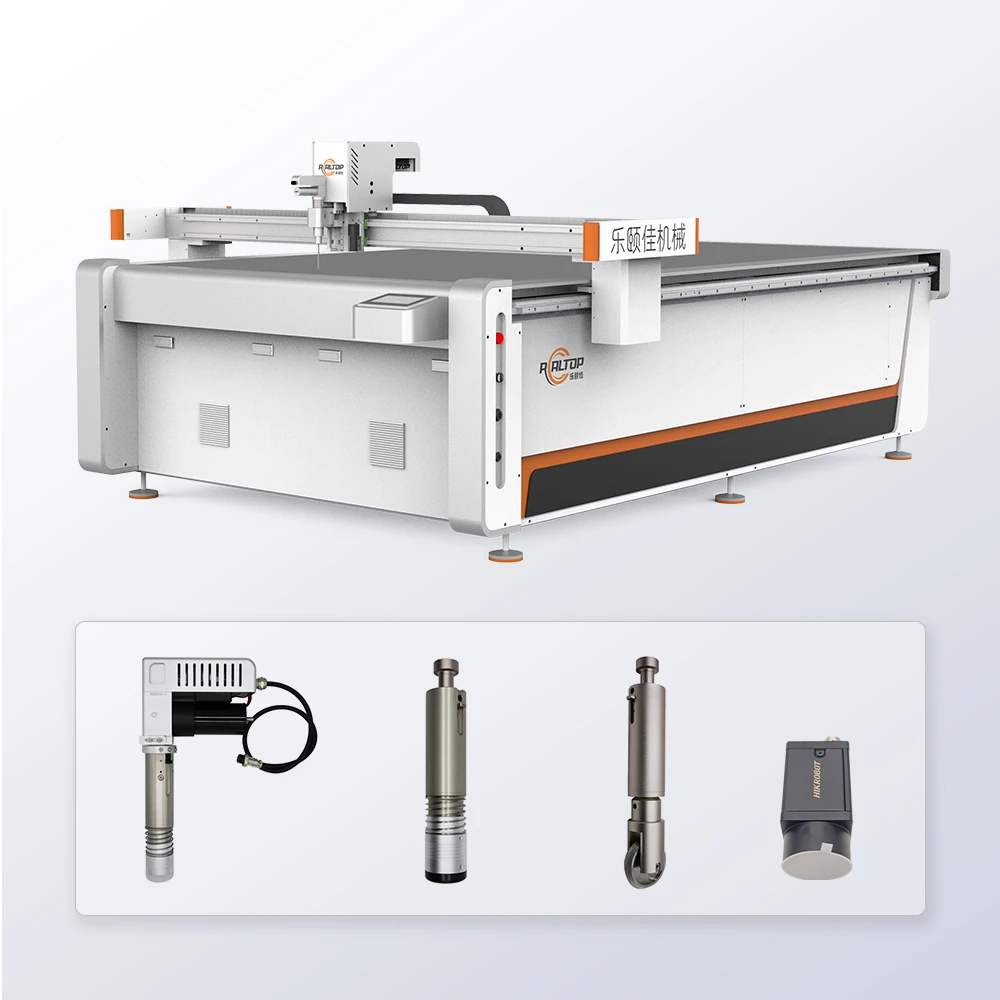
| Visual Positioning Options | Small CCD camera mark point positioning, panoramic camera recognition positioning, projection positioning |
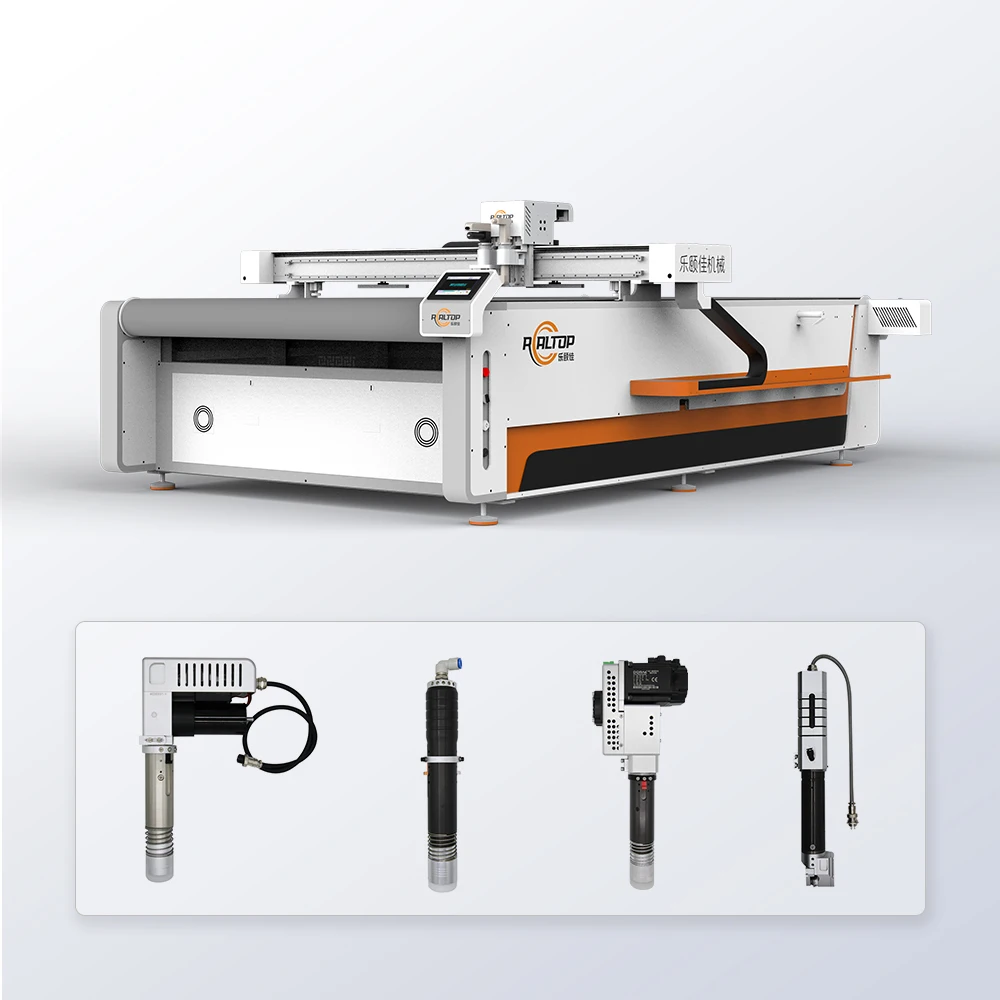
| Tool Head Options | Oscillating knife, pneumatic knife, high-power vibrating knife, circular knife, V cutting knife, drag knife, creasing wheel, dotted line knife, punching, brush |
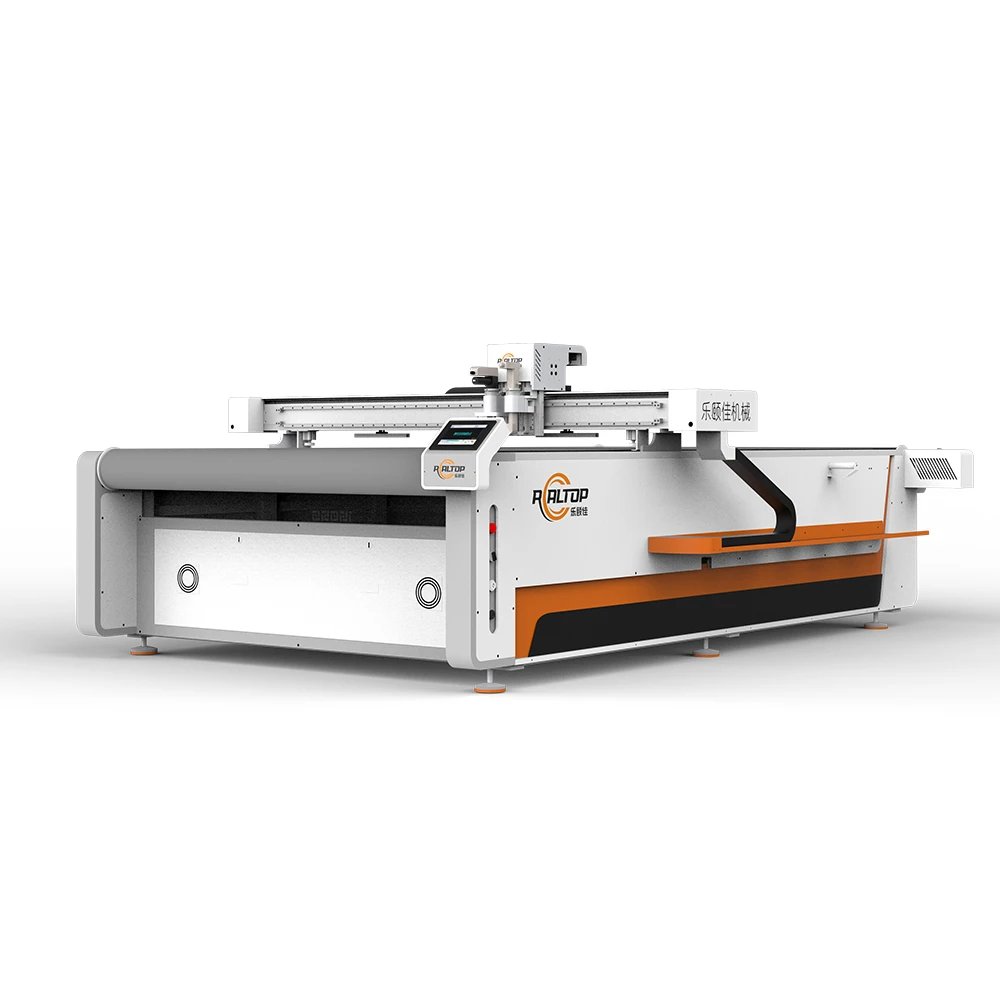
| Feeding Options | Auto feeding available, Germany imported conveyor belt |
| Language Options | English, Russian, Italian, Chinese, others customizable |
Application Suitability
| Application | Material or Output |
|---|---|
| Garment and footwear production | Multi-layer fabric, lining, shoe upper leather, non-woven textile, shoe material |
| Automotive interior trimming | Seat cover fabric, headliner composite, floor mat material, gasket material |
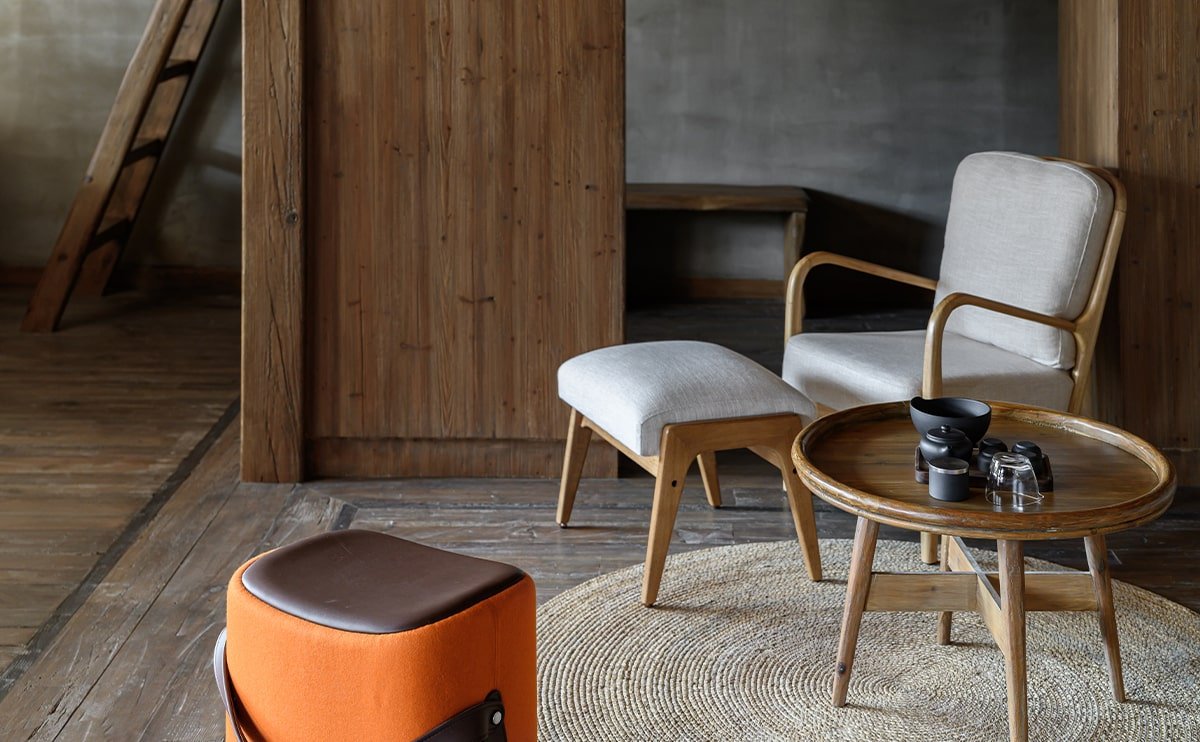
| Soft home furnishing and carpet | Carpet, curtain fabric, upholstery cloth, sponge composite leather |
| Bags and luggage manufacturing | Luggage material, PU, PVC, EVA, composite leather sheets |
| Packaging and graphic printing | Corrugated cardboard, sticker film, plastic box, cardboard sample making |
| Sports and outdoor products | Neoprene, XPE foam, composite padding, rubber sheets |
What a "200–800 mm/s Cutting Speed" Actually Depends On
The speed on the nameplate only becomes real once material thickness, ply count and contour complexity are factored in.
A Cloth CNC Cutting Machine production line rarely runs at the top of its speed range on every job. Dense woven fabric stacked five or six plies deep forces the oscillating knife to slow down so the blade can clear the full stack without fraying the bottom layer. Meanwhile, a single layer of lightweight lining material allows the head to track contours near the upper end of the range. Nesting pattern geometry also matters — intricate curves on a garment pattern reduce the average speed more than long straight cuts on an automotive seat cover [NEED_CITE: relationship between cutting speed and material stack height in oscillating knife systems]. Asking for a sample cut on your own fabric, at your target ply count, is the only way to see what throughput the machine actually delivers for your workflow.
Blade Selection Across Fabric Types
Not every cloth responds the same way to a vibrating blade. A Swiss imported oscillating knife handles tightly woven garment fabric cleanly, while a high-power vibrating knife works through thicker sponge composite leather without crushing the foam core. Drag knives suit thin sticker film and single-ply vinyl, whereas a circular knife is faster on long straight runs of non-woven textile. Matching the tool head to the Cloth CNC Cutting Machine production line turnkey setup starts with listing every material you plan to process and the ply count you run most often.
Vision Positioning for Printed Contours
When fabric arrives with sublimation prints or heat-transfer graphics, the cutting path must follow the printed edge rather than a fixed coordinate file. A small CCD camera locates printed mark points for alignment, while panoramic camera recognition positioning scans the full sheet to trace printed contours even if the fabric shifted during feeding. This matters on garment panels where a few millimeters of drift between print and cut line means the entire piece is rejected downstream. The vision system is an option on this machine, so confirming whether your workflow needs mark-point or full panoramic recognition avoids discovering the gap after delivery.
How Frame Rigidity and Vacuum Zoning Affect Cut Accuracy
The thick-walled seamless steel frame, finished on a CNC machining center after high-temperature tempering, holds dimensional accuracy across the 1600 × 2500 mm working area. Without that rigidity, long traverse moves at high translational velocity would introduce vibration that shows up as micro-stepping on the cut edge. On the table side, the magnesium-aluminum alloy vacuum surface with fluorocarbon PVDF coating provides uniform suction. Zoning matters when cutting small parts — a garment collar or a shoe tongue — because a single full-table vacuum zone leaves edges of the sheet lifting during the final cuts [NEED_CITE: vacuum table zoning practices for small-part hold-down on oscillating knife cutters]. A 7.5 kW vacuum pump with an integrated silencer sponge maintains suction without flooding the workshop with noise.
The Cost of Skipping Configuration Alignment
A buyer who specifies working area alone, without naming the material, thickness and daily volume, ends up with a machine that technically fits the floor space but fails on the shop floor. An undersized vacuum pump lets small fabric pieces lift during cutting, producing ragged edges and forcing rework. A wrong tool head crushes foam-backed leather instead of slicing through it, generating waste that compounds across a production run. These are not machine defects — they are specification gaps that could have been closed before the order was placed [NEED_CITE: common specification gaps in CNC cutting equipment procurement].
Why Source This Machine Here
In-house design covers both knife cutting and laser cutting technologies, so the cutting method is selected to match the material rather than forcing one method across every job. Tool head and table configuration are specified per material and production volume before quotation, not left as a default package. CCD camera positioning is confirmed against your actual printed pattern to verify tracking at production speed. Software compatibility — including HP-GL import and nesting workflow — is checked before the order is finalized. Voltage, plug type and control language are documented in writing before shipment, so the machine arrives ready for the local electrical supply and operator preference.
Documentation & Verification
- Machine specification sheet listing selected tool heads and table configuration
- Electrical schematic with confirmed voltage and frequency for destination market
- Sample cutting report on buyer’s own fabric at target ply count
- Factory test record documenting accuracy and speed under load before dispatch
- Software licence and HP-GL file format compatibility confirmation note
- Spare parts list with recommended consumables for first twelve months
Installation, Commissioning & Support
- Floor space of at least 4.5 × 3.5 meters required for the 3450 × 2300 mm machine footprint plus operator access
- Dedicated 380V ±10% circuit rated for 9 kW continuous draw with proper grounding
- Machine ships on flat pallet; vacuum table and frame bolt together on site
- First-power commissioning includes vacuum zoning test and servo calibration across full travel
- Operator training covers tool head changeover, CCD mark point setup and nesting file import
- Oscillating knife blades and vacuum pump filter supplied as initial spare set
What to Include With Your Inquiry
Share the specific fabric types, thicknesses and ply counts you cut most often, along with your target daily output and whether your upstream workflow uses roll stock or flat sheets. Confirm the local voltage and frequency at the installation site, plus the preferred control panel language. If your current workflow relies on a particular nesting software or file format, name it so compatibility is verified before quotation. Requesting a sample cut on your own material is the fastest way to evaluate edge quality and cycle time.
Frequently Asked Questions
Q: How do I choose between oscillating knife, drag knife and pneumatic knife for my fabrics?
A: Oscillating knives suit most woven and knitted fabrics at multiple plies because the vibrating motion prevents fraying. Drag knives work best on thin single-ply vinyl and sticker film. Pneumatic knives handle dense, thick materials like compressed gasket sheets. Share your full material list and ply count so the correct tool head combination is configured before the order.
Q: How is cutting speed established for my specific material?
A: The 200–800 mm/s range reflects variation across material type, thickness and contour complexity. Dense multi-layer stacks cut slower than single-ply linings. Sample cutting on your actual fabric at your target ply count confirms the achievable speed and edge quality before the machine is built.
Q: How does the auto-feeding conveyor integrate with spreading tables upstream?
A: The Germany imported conveyor belt and auto-feeding option allow roll-to-roll workflow, pulling fabric directly from a spreading table or roll rack. Vacuum zoning holds the sheet flat during cutting while the conveyor advances the next section, reducing manual handling between cuts.
Q: Should I choose a flat table or conveyor-fed configuration?
A: Flat tables suit batch cutting of pre-cut sheets or smaller daily volumes where manual loading is acceptable. Conveyor-fed configurations fit roll-to-roll workflows with higher daily output, letting operators load from a roll while the machine cuts the previous sheet continuously.
Q: Can I send my own fabric for a sample cut before ordering?
A: Yes. Send representative fabric samples at the thickness and ply count you plan to run. The sample cutting report documents edge quality, dimensional accuracy and cycle time, giving you verified data to evaluate before committing to the purchase.



商品评价
Clear filtersThere are no reviews yet.