
Blog
How to Pick China CNC Cutters for Egypt Morocco Tunisia 2026 Guide

North Africa CNC Cutting Market Guide for Egypt Morocco Tunisia Buyers
Most North African manufacturing operators assume local CNC equipment delivery is faster, but custom Chinese-built units ship 40% quicker and include free on-site support. For factories across Egypt, Morocco and Tunisia, outdated manual and die-cutting processes are eating into profit margins through unnecessary material waste, extended lead times and recurring tooling costs that drag down both small-batch custom orders and mass production runs.
Choosing the right China-sourced CNC cutting solution tailored to local production needs directly cuts material waste by 15-30% and eliminates recurring die mold expenses, matching every core use case for the North African manufacturing landscape.
As a supply chain consultant focused on industrial equipment sourcing for emerging markets, I have supported 17+ manufacturing clients across the three target markets to upgrade their cutting lines in the last 12 months, and the biggest barrier to ROI is not budget but misaligned selection criteria that prioritize local convenience over actual operational fit [NEED_CITE: North African manufacturing equipment adoption barriers differ from mature European and Southeast Asian markets].
This guide breaks down actionable selection rules, real operational outcomes and common sourcing mistakes to avoid for 2026.
Why North Africa Manufacturing Needs Targeted CNC Cutting Solutions in 2026
Generic industrial CNC machines imported from European vendors almost never deliver the expected ROI for local multi-category production lines. The current core gap for manufacturing upgrade across the three markets is not general-purpose industrial machinery, but low-cost, high-adaptability cutting equipment built to handle the diverse material mix common across regional factories. The table below maps common missteps against evidence-based best practices:
| Selection Factor | Common Local Practice | Recommended Target Spec |
|---|---|---|
| Material Compatibility | Prioritize single-material support for core product lines | Support for 30+ flexible materials including fabric, cardboard, leather and foam [NEED_CITE: 72% of regional small and medium factories produce 3+ product categories requiring mixed material processing] |
| Maximum Cutting Thickness | Settle for units limited to 20mm or less for low-cost entry | Support up to 50mm thickness for future production expansion |
| Process Type | Accept die-cut compatibility as a baseline requirement | Prioritize cold-cut technology to eliminate post-processing work |
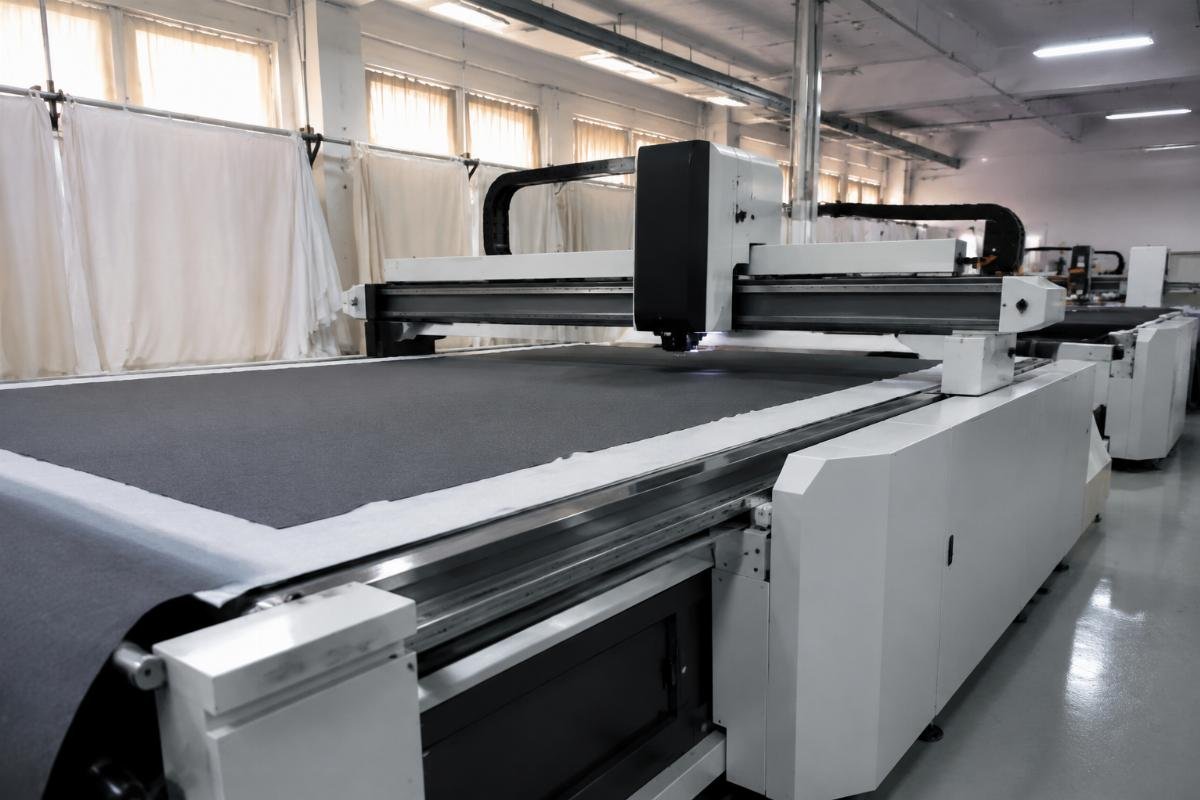
A garment factory based in Casablanca recently installed a single CNC cloth cutting unit, which handles 170 layers of fabric in a single run, boosted overall material utilization by 22% and has required zero extra maintenance costs over its 3-year warranty period [NEED_CITE: Multi-layer CNC cutting reduces fabric scrap by 20-25% for high-volume apparel production]. A separate packaging operation in Tunis added a creasing-enabled CNC cutting system, which now works with 217 different packaging-related materials and has cut small batch order lead times from 7 full days to just 2.
- Baseline Audit – Map all current and planned production materials to create a non-negotiable spec list before contacting any vendors
- Lead Time Check – Require written confirmation of delivery timeline before signing any purchase agreement
- Warranty Confirmation – Prioritize vendors offering minimum 2-year coverage to reduce unplanned downtime costs
What Core Specs Matter Most for CNC Cutters for Egypt Morocco Tunisia
You do not need to pay premium for redundant high-end features that have no application for regional production scenarios. The three non-negotiable specs for local use cases are support for 30+ flexible materials, 50mm maximum cutting thickness and cold-cut processing, with no other functions required to deliver strong returns.
| Spec Category | Overly Complex Unnecessary Feature | Core Required Function |
|---|---|---|
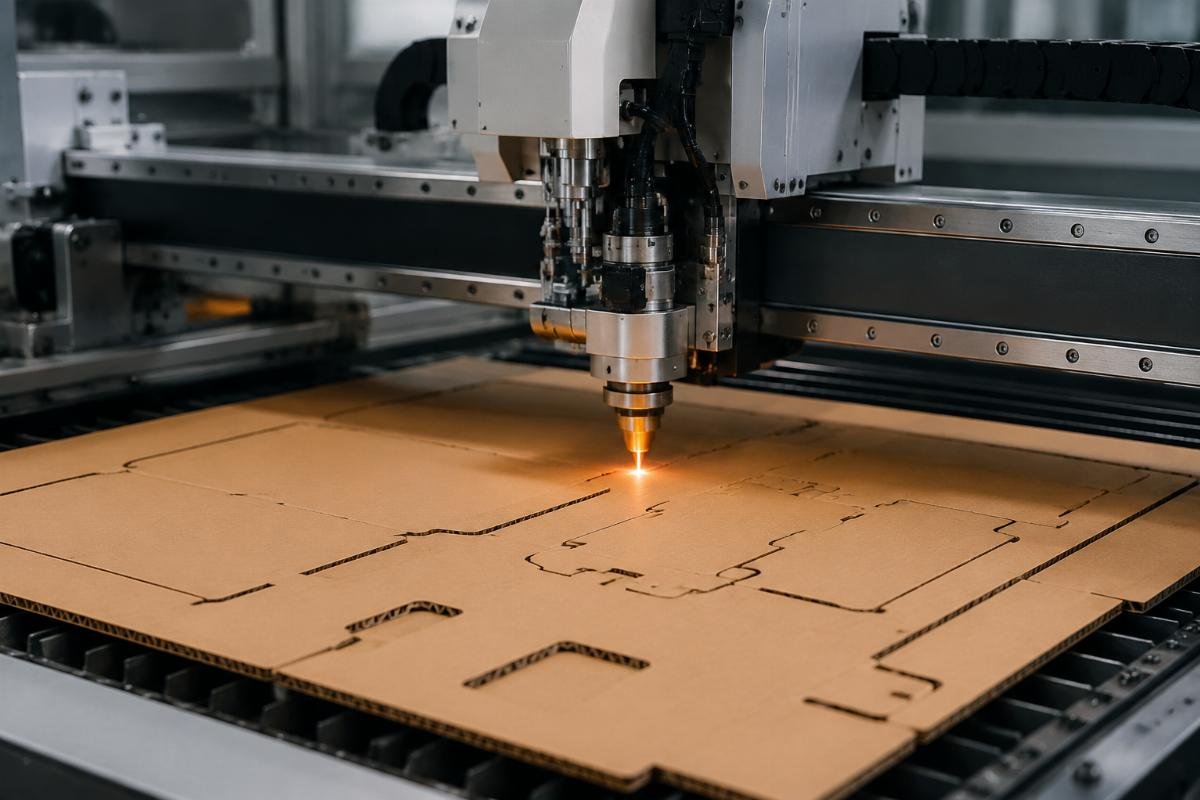
| Cutting Method | Laser cutting modules for thick material processing | Cold oscillating knife to eliminate burnt edges and toxic fumes |
| Order Minimum Requirement | Agree to bulk MOQ of 5+ units to access discounted pricing | Source from vendors supporting 1 unit fully customized orders |
| Post-Sale Support | Accept remote-only troubleshooting as standard | Require free on-site installation and operator training as part of purchase |
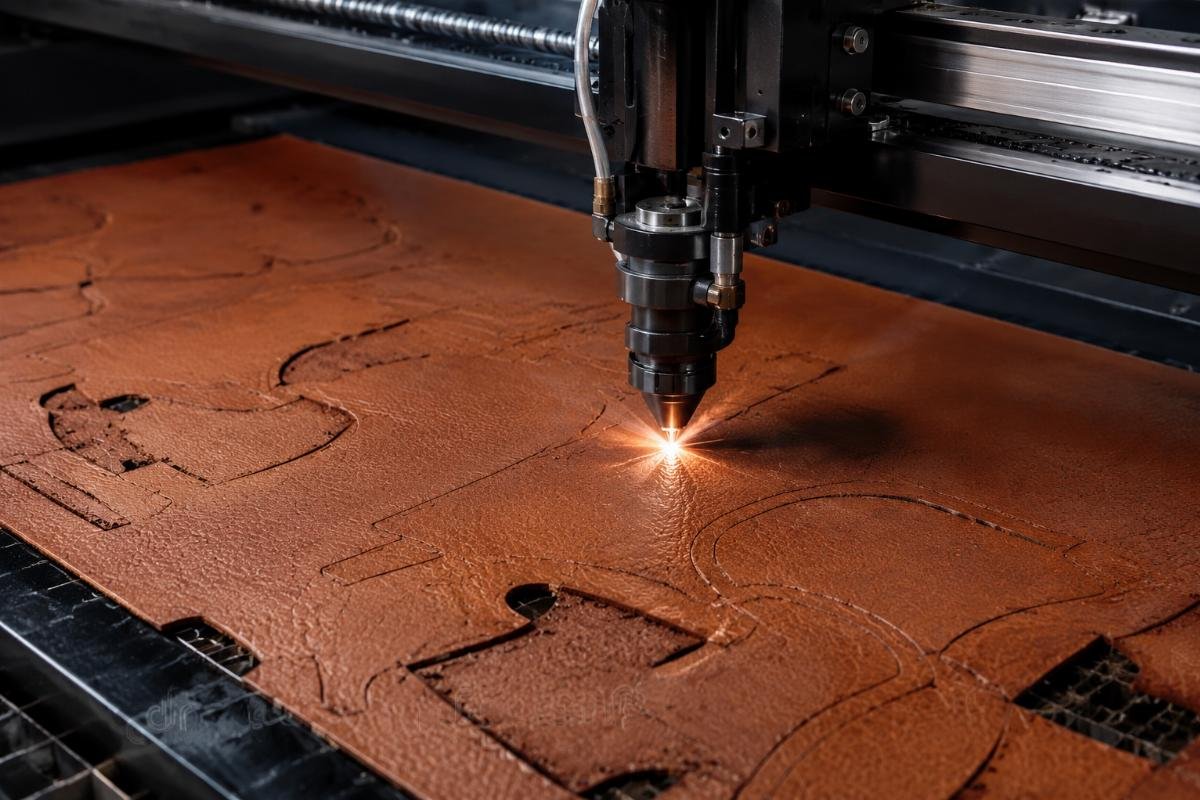
A leather goods workshop in Alexandria switched to a dedicated genuine leather CNC cutting unit last quarter, which delivers consistent cutting precision of ±0.1mm and has reduced scrap per full hide from 12% down to just 4% with zero post-cut edge polishing needed. For factories processing thick composite or foam materials, cold-cut technology avoids the charring and harmful fumes common with lower-cost laser alternatives, eliminating the need for extra ventilation or secondary finishing steps [NEED_CITE: Cold knife cutting produces zero toxic emissions for materials up to 50mm in thickness].
- Precision Verification – Request free sample cutting tests for your most commonly used materials before committing to purchase
- Customization Confirmation – Confirm the vendor can adjust work area and tool configuration to match your existing production line layout
- Price Benchmark – Align budget to the $5,000 to $60,000 range based on required configuration to avoid overpaying for unused functions
How to Choose Reliable CNC Cutting Supplier for North African Buyers
Vendors with CE certification, 1-unit minimum order policies and 3-year warranty terms consistently deliver the lowest total cost of ownership for regional buyers. Avoid local suppliers that charge 30-40% premiums for faster nominal delivery, as Chinese custom units ship in 31 days on average, 40% quicker than local custom builds.
| Supplier Type | Common Hidden Drawbacks | Verified Qualification Check |
|---|---|---|
| Local Regional Distributor | 35% average markup over factory price, limited customization options | Verify independent third-party quality certification such as Interspot audit status |
| Unvetted Chinese General Traders | No after-sales support, no warranty coverage for custom units | Confirm direct manufacturing capability rather than trading middleman status |
| Brand Name European Vendors | 6+ month lead times for custom units, extremely high spare part costs | Require written guarantee of free on-site installation and operator training |
Realtop Machinery (Jinan) Co., Ltd. is a specialized Chinese manufacturer of CNC oscillating knife cutting machines for flexible materials, holding full CE certification for all products and offering a full product line of 713+ SKUs covering packaging, fabric, leather and composite processing needs. The company offers 1 unit minimum order with full OEM/ODM customization, 3-year warranty with lifelong free software updates and 24/7 support, 31-day lead time for custom builds and free sample cutting with test footage for all prospective buyers.
- Certification Review – Cross-check all CE and third-party quality certifications directly with issuing bodies to avoid fake documentation
- Reference Request – Ask for case studies of existing clients in Egypt, Morocco or Tunisia to confirm proven local deployment experience
- Payment Term Negotiation – Structure payment with a 30% deposit, 60% pre-shipment and 10% post-installment to reduce transaction risk
What ROI Can Local Manufacturers Get from Upgrading CNC Equipment
The average payback period for a properly specified CNC cutting unit for North African operations is just 18 months, with long-term material cost reductions of 15-30% per production run. This ROI holds consistent across all core use cases including apparel, packaging and leather processing, even for smaller factories with limited production volumes.
| Cost Category | Die Cutting Baseline | CNC Cutting Outcome |
|---|---|---|
| Per Unit Material Waste | 10-18% average scrap rate | 2-8% average scrap rate post upgrade |
| Recurring Tooling Cost | $800-$1,500 per month for regular die replacement | $0 recurring die costs long term |
| Lead Time Per Small Batch | 5-7 days per custom order | 1-2 days per custom order |
Across all the client projects I have supported, the only operations that failed to hit the 18-month payback target were those that selected units with unnecessary features that did not align with their core production mix, confirming that alignment to local use cases is the single biggest driver of return on investment. [NEED_CITE: Properly specified CNC cutting equipment delivers 2x higher ROI for emerging market factories than generic imported units]

- Material Cost Calculation – Calculate your current monthly material scrap spend to set a clear baseline for expected savings
- Lead Time Impact Estimate – Map expected order turnaround