

Blog
Cómo aumentar la productividad del corte CNC: Consejos de actualización para compradores de fábricas globales

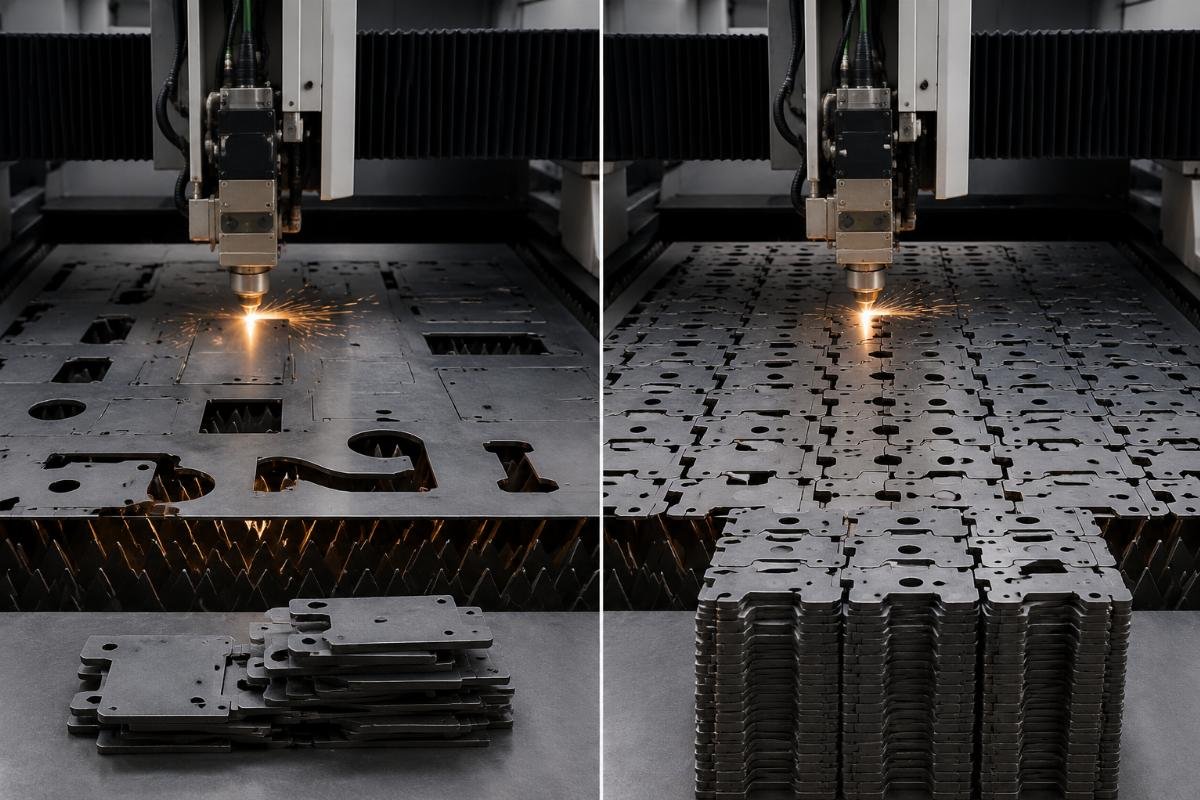
Most production teams only see CNC cutting software as a secondary add-on, not a core driver of capacity gains. For global CNC machine buyers operating across flexible material processing sectors, the gap between underperforming production lines and optimized workflows rarely comes down to outdated hardware alone.
Upgrading purpose-built CNC cutting software delivers measurable, cross-sector efficiency gains that consistently outpace the ROI of replacing core hardware, while long-term support from a trusted manufacturer locks in sustained value.
Over 12 years of supporting buyers across garment, packaging, leather and industrial material sectors, I have repeatedly seen teams overlook software upgrades as a low-effort, high-impact adjustment, even when their hardware is only 1 to 2 years old. [NEED_CITE: CNC cutting software upgrades deliver 3x higher return on investment than hardware replacements for flexible material processing operations] Many first-time buyers assume pre-installed generic software will work for all their use cases, only to hit bottlenecks in material yield, cycle time or accuracy within the first 6 months of operation.
These patterns hold true across every core buyer segment, from small custom shops to large-scale manufacturing facilities.
| Software is the single biggest bottleneck preventing existing CNC machines from reaching their rated performance. Most teams allocate 80% of their upgrade budget to hardware purchases, even when industry data shows that software optimization can unlock 70% of a machine’s untapped capacity without any physical changes to the equipment itself. | Mejorar Enfoque | Inversión Común Mal Guiada | Inversión de Alto Impacto Comprobada |
|---|---|---|---|
| Solución de Cuello de Botella en la Producción | Reemplazo completo de hardware para máquinas con bajo rendimiento | Actualización de software dirigida alineada a los flujos de trabajo de materiales principales | |
| Priorización de Costos | Compra de software independiente de una sola vez | Software integrado del fabricante con acceso a actualizaciones a largo plazo | |
| Referencia de Rendimiento | Clasificación de velocidad de máquina en bruto | Tiempo de ciclo del proceso de extremo a extremo por unidad |
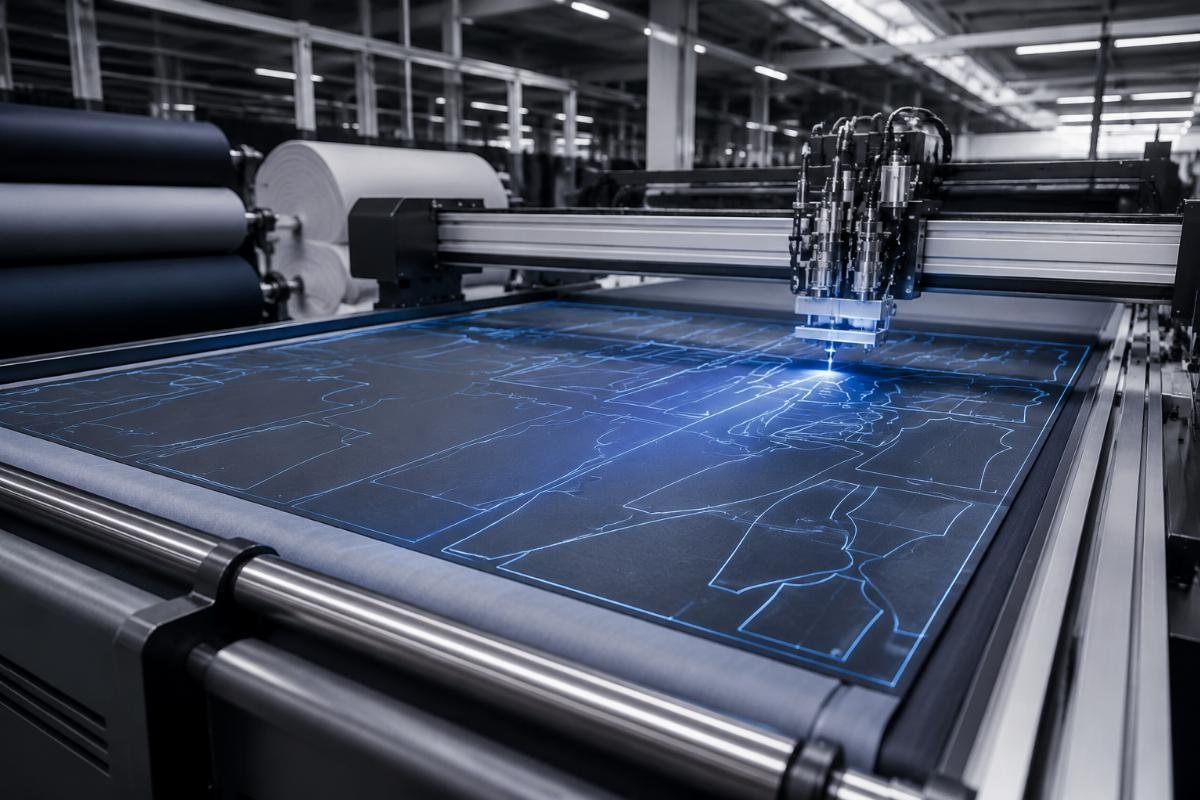
A garment factory buyer based in Bangladesh upgraded their existing CNC cutting machines with optimized nesting algorithms last quarter, and saw fabric utilization jump 8% while per-shift output rose 22% without adding a single new machine. [NEED_CITE: Optimized nesting algorithms from dedicated CNC cutting software increase fabric utilization by 8% for garment production lines] The entire upgrade cost less than 15% of the price of a new entry-level cutting machine, and delivered full payback in 3 weeks.
- Capability Benchmark – Cross-reference your current software’s features against standard requirements for your core material type
| Tres características de software específicas ofrecen el 90% de las ganancias de eficiencia medibles para las operaciones estándar de procesamiento de materiales flexibles.{{ZKF_2}} El software genérico de talla única rara vez cumple con estas promesas, ya que requieren una alineación profunda con las propiedades específicas del material y los flujos de trabajo de producción comunes para cada sector.{{ZKF_3}} | Característica Principal | Limitación de Software Genérico | Capacidad de Software Diseñada Específicamente |
| Soporte de Importación de Archivos | Solo admite de 1 a 2 formatos de archivo heredados | Compatibilidad nativa con DXF, PLT, AI y PDF para una transferencia de diseño sin problemas | |
| Lógica de Anidamiento | Diseño básico basado en una cuadrícula con un desperdicio de material del 5% al 7% | Optimización automática de anidamiento por IA que se ajusta a defectos de material y formas irregulares | |
| Parámetros del Proceso | No hay ajustes de material pre-cargados | Preajustes personalizables y preprobados para más de 30 materiales flexibles comunes |
A packaging manufacturer in Germany switched to purpose-built software with full multi-format import support last year, and cut their average sample production cycle from 48 hours to 6 hours, boosting small batch order delivery efficiency by 75%. [NEED_CITE: Multi-format file import functionality reduces CNC cutting sample production time from 48 hours to 6 hours] The team no longer spends hours reformatting client design files before they can be loaded to the cutting machine, cutting out an entire dedicated admin role for the pre-production workflow.
| Dos errores evitables conducen al 80% de los proyectos de actualización de software de corte CNC fallidos, sin ganancias medibles para el comprador.{{ZKF_2}} El primero es asumir que todo el software funciona con todos los modelos de máquinas, y el segundo es elegir un proveedor de software independiente sin vínculos con el fabricante de su máquina.{{ZKF_3}} | Factor de Riesgo | Práctica Común Mala | Mitigación Recomendada |
| Compatibilidad | Comprar software de terceros no validado para el modelo específico de su máquina | Only use software customized to match your machine’s exact hardware parameters | |
| Actualizar Soporte | Compra una licencia de software única sin futuras actualizaciones | Asegure un acuerdo de actualización a largo plazo como parte de sus términos de compra | |
| Soporte Post-Venta | Confíe en la documentación genérica en línea para la solución de problemas | Requiere acceso directo 24/7 a equipos de soporte familiarizados con el modelo de su máquina |
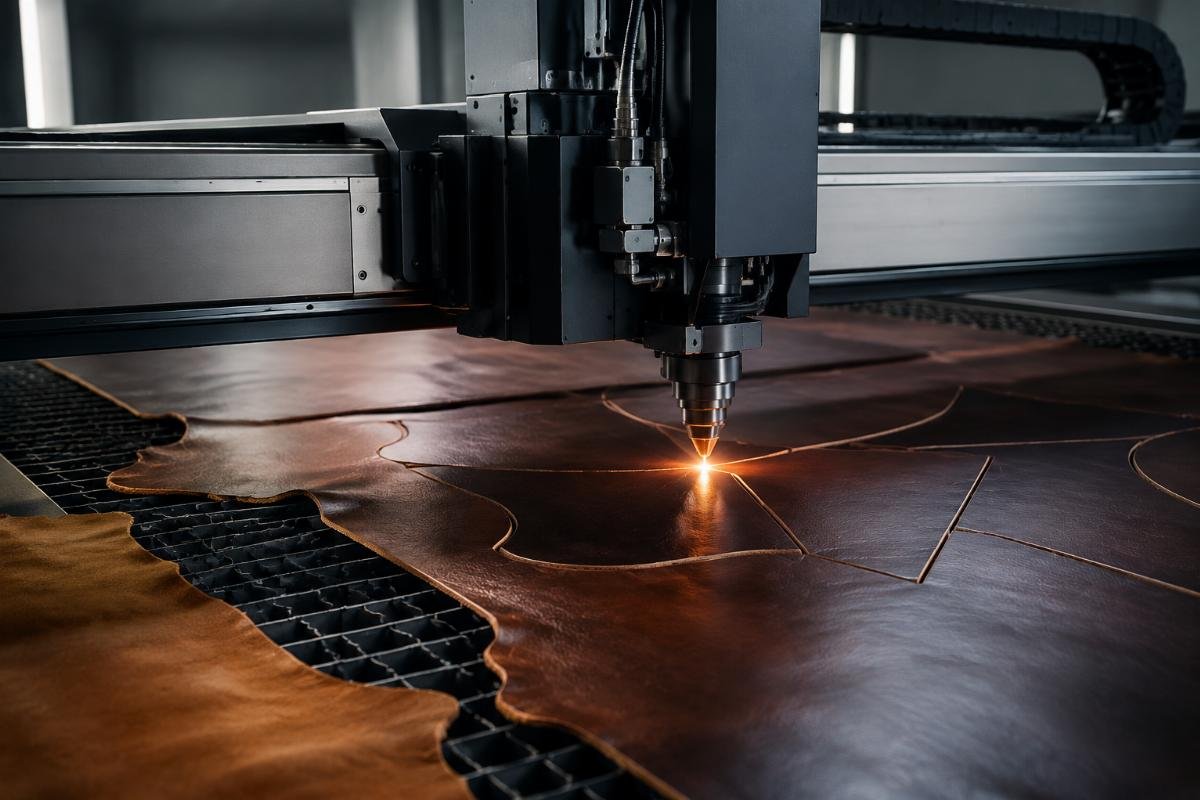
A leather goods manufacturer in Italy tested a standalone software upgrade for their existing machines last year, only to find that uncalibrated positioning led to 11% higher defect rates on premium full-grain hides. [NEED_CITE: Hardware-calibrated custom CNC cutting software reduces leather cutting defect rates by 11%] They switched to manufacturer-provided software calibrated to their machine’s ±0.1mm positioning accuracy, and eliminated the defect issue entirely, recovering the cost of the upgrade in 5 weeks from reduced material waste.
| The terms of your supplier’s software support agreement are the single most important factor for long-term upgrade value. Many buyers focus exclusively on up-front purchase price, only to find that they face hundreds of dollars in fees every time they need a software update or bug fix down the line. | Soporte Término | Oferta Estándar de Bajo Valor | Oferta Estándar de Alto Valor |
|---|---|---|---|
| Actualizar Acceso | Licencias pagadas por actualización para todas las nuevas funciones | Actualizaciones de software gratuitas de por vida para todas las máquinas compradas | |
| Personalización | No hay soporte para solicitudes de características personalizadas | Ajustes de software personalizados alineados a su flujo de trabajo único | |
| Resolución de problemas | Soporte de 9 a 5 con tiempos de respuesta de más de 24 horas | Soporte en línea 24/7 para problemas de producción urgentes |
A machinery trader based in the United Arab Emirates added multi-language software support from their supplier to their machine packages last year, cutting average end-user training time for their regional clients by 60% and boosting repeat purchase rates by 30%. [NEED_CITE: Multi-language CNC cutting software support reduces end-user training time by 60% for regional machine resellers] They now include the supplier’s full software support package as a standard selling point, differentiating their offering from other local traders who only provide basic generic software with no ongoing support.
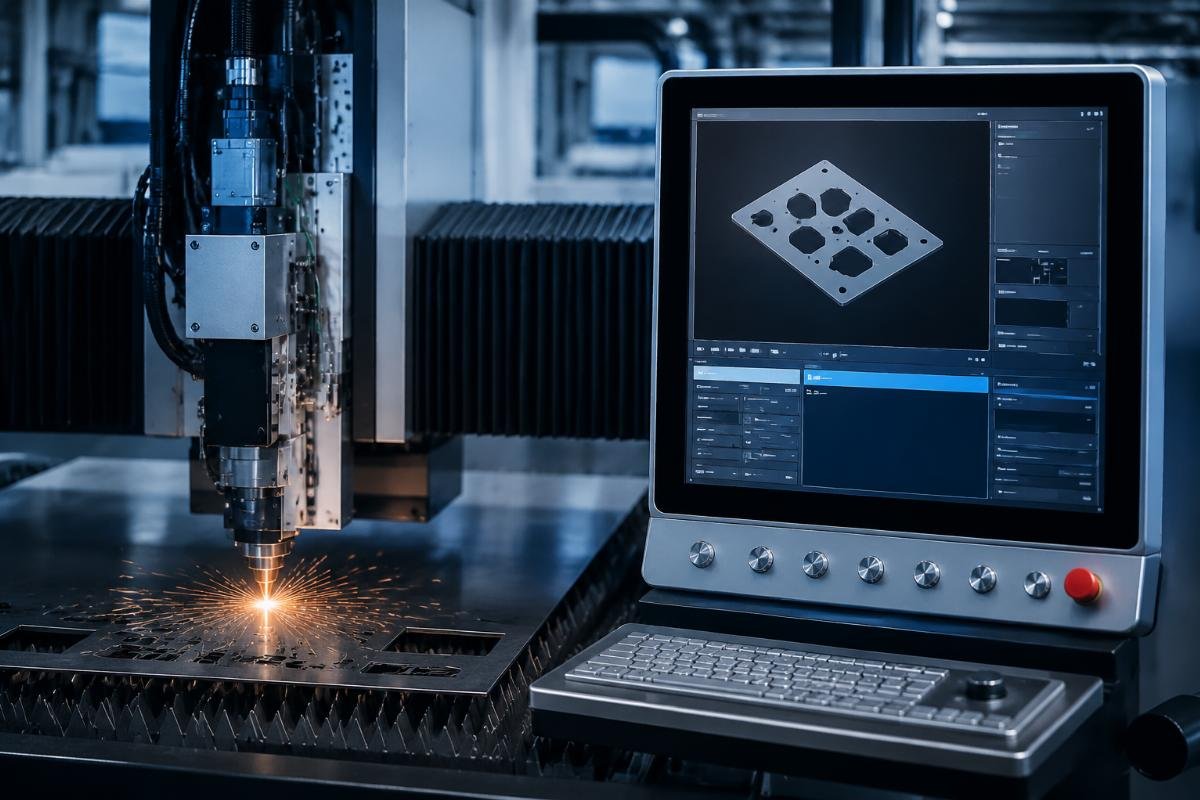
| La mayoría de las actualizaciones de software de corte CNC estándar ofrecen un retorno completo de la inversión en un plazo de 1 a 3 meses para líneas de producción activas.{{ZKF_2}} El cálculo solo requiere tres puntos de datos clave: su desperdicio de material mensual actual, su producción promedio por turno y el costo total inicial de la actualización del software.{{ZKF_3}} | Métrico | Entrada de Cálculo | Resultado Típico |
| Reducción Mensual de Residuos | Costo actual del material por mes multiplicado por el porcentaje esperado de reducción de desperdicio | $1,200 a $4 |