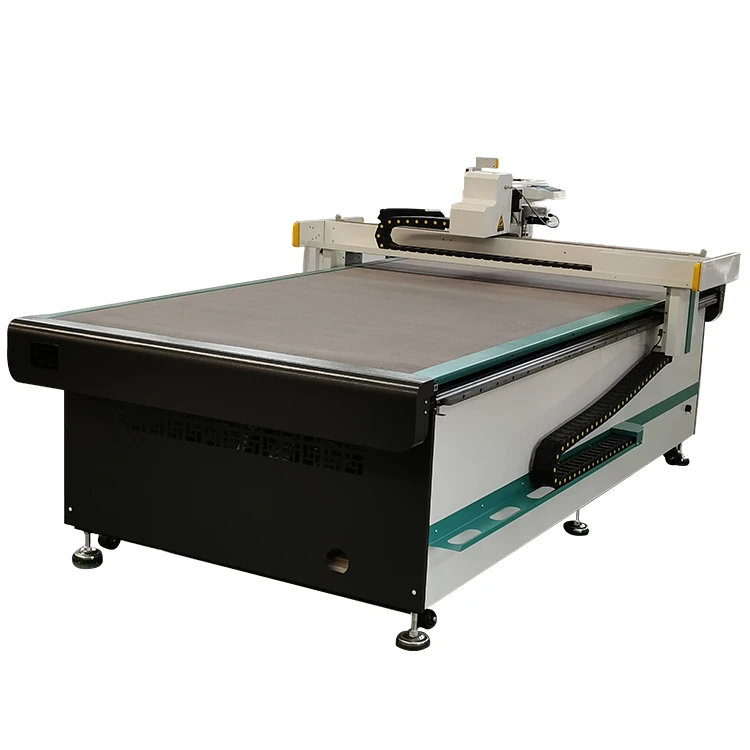
RT-D2516/RT-S2516 CNC Oscillating Knife Cutting Machine, 1600×2500mm Working Area, 9kW, Auto Feeding — purpose-configured for automotive interior production jobs including leather, composite fabric and gasket materials. Swiss imported tool head supports full cutting, half cutting and creasing, while CCD panoramic vision recognition extracts around hide flaws for maximum yield. Zoned magnesium-aluminum vacuum table holds small trim pieces flat during high-speed 800–1200mm/s processing.
Sample cutting on buyer’s own automotive leather or composite material is provided before commitment, confirming edge quality, cutting depth and cycle time.1000
Authorities in our business will tell in no uncertain terms that Lorem Ipsum is that huge, huge no no to forswear forever. Not so fast, I'd say, there are some redeeming factors in favor of greeking text, as its use is merely the symptom of a worse problem to take into consideration.
Product care
Anyway, you still use Lorem Ipsum and rightly so, as it will always have a place in the web workers toolbox, as things happen, not always the way you like it, not always in the preferred order.
Product details
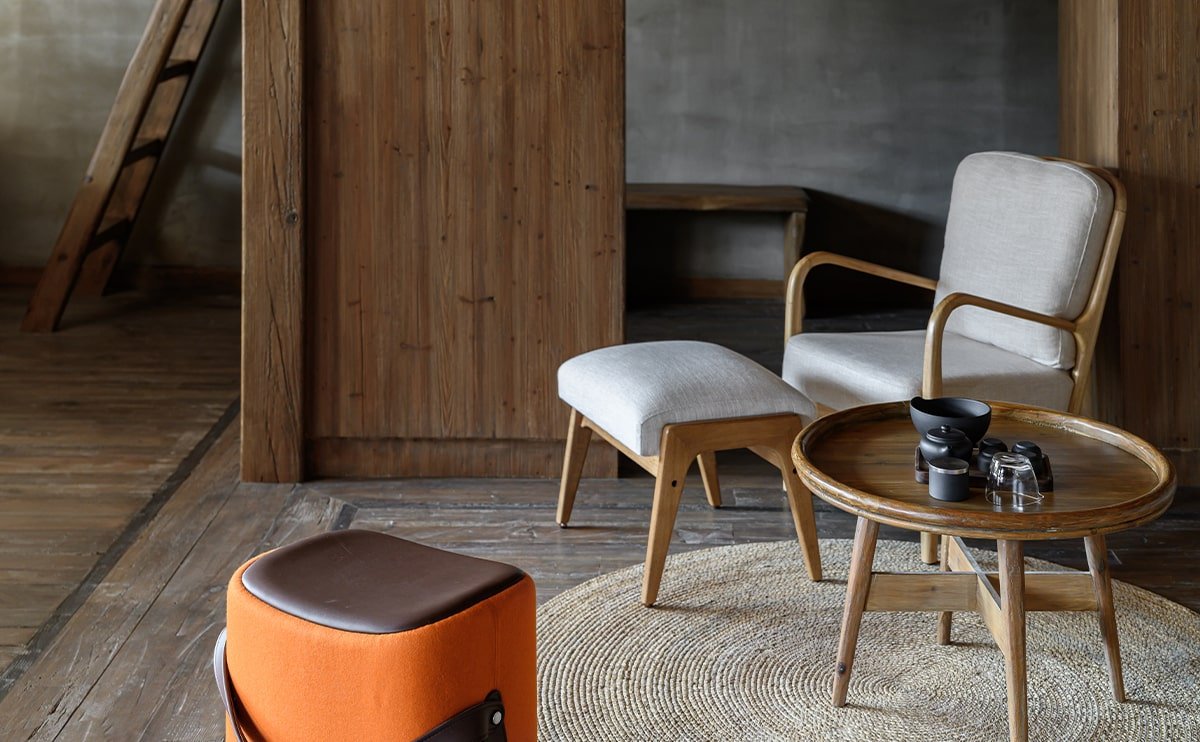
Made possible by exploring innovative molded plywood techniques, Iskos-Berlin’s Soft Edge Chair blends strong curves with extreme lightness to create a three-dimensionality not usually possible with 2-D plywood.
Description
Zoned Vacuum & Vision Configured Per Hide — Every RT-D2516/RT-S2516 leaves our Jinan assembly hall with a test-cut report on the buyer’s own automotive leather or composite, not a generic sample, so edge quality and hold-down are proven before the crate is closed.
Technical Specifications
Parameter
Value
Model
RT-D2516 / RT-S2516
Product Type
CNC Oscillating Knife Cutting Machine with Auto Feeding
Working Area
1600 × 2500 mm
Overall Dimensions (L × W × H)
3450 × 2300 × 1250 mm
Rated Power
9 kW
Voltage
380V ±10%
Servo Drive
Delta IP67 servo with real-time automatic gain adjustment
Translational Velocity
800–1200 mm/s
Cutting Thickness
20–80 mm (basis not stated in source — confirm material type and density)
When the Spec Sheet Promises More Than the Tool Head Delivers
Match the tool head to the composite layup before you sign the purchase order, not after.
I once stood in a Tier-2 automotive trim plant watching a brand-new CNC table chew through sponge-backed seat leather. The edge was crushed, the foam layer separated, and the operator kept slowing the feed rate hoping the problem would go away. The machine had been specified purely on working area, with no thought given to the actual composite structure the buyer ran every shift [NEED_CITE: oscillating frequency requirements for foam-laminated leather composites]. That line sat idle for three weeks while a replacement tool head was shipped. A CNC car interior cutting machine production line is only as capable as the tool head it carries into the hide.
Swiss Oscillating Knife and the Layered Automotive Hide
Automotive seat leather is rarely a single ply. A typical hide arrives laminated to a foam scrim, sometimes backed with a woven stabiliser, giving a sandwich that can range from two to eight millimetres total. The Swiss-imported oscillating knife on the RT-D2516/RT-S2516 cuts at a high stroke frequency with a short stroke length, slicing through each layer without dragging the foam. When the same table needs to score a crease line for a door panel fold, the creasing wheel rolls into position in the same tool head, completing both operations in one cycle.
Vision Positioning for Irregular Hides and Printed Contours
Natural leather hides arrive in random shapes, each with scar marks and thin spots that must be avoided. The panoramic camera scans the hide surface, and the nesting software works around defects automatically. For synthetic leather with printed grain patterns or stitch-line registration marks, the small CCD camera locks onto printed marks and aligns the cut path to the print [NEED_CITE: CCD mark recognition accuracy on textured automotive leather surfaces]. Projection positioning overlays the nest onto the hide so the operator can verify placement before the knife drops.
Reading the Specs That Actually Matter on the Shop Floor
A 7.5 kW vacuum pump pulling through a magnesium-aluminum alloy table sounds impressive until you realise that small trim pieces—think seat belt reinforcement patches or armrest inserts—lift off the table during high-speed passes if suction is not zoned. The fluorocarbon PVDF coating and hard anodised finish on the table surface resist abrasion from dragged composite edges, but it is the zoning valves underneath that keep tiny parts flat. The Delta IP67 servo drives run the gantry at up to 1200 mm/s translational velocity, and the ≤ 0.1 mm repeated accuracy means a contour traced by the CCD camera closes exactly where it started. For thicker stacks like floor mat foam, the pneumatic knife option provides a longer stroke and higher cutting force than the standard oscillating blade.
The Real Cost of Skipping the Material Trial
A buyer once ordered a large-format cutting table based on a standard PU leather test we ran at the factory. Their actual production material was a three-layer composite: PVC top, foam core, woven backing. The standard oscillating knife compressed the foam, producing a ragged edge that failed their OEM audit. They had to ship the machine back for a pneumatic knife retrofit, adding weeks of downtime to the project schedule [NEED_CITE: material trial validation practices in automotive interior supply chains]. Every automotive leather composite behaves differently under the blade, and the only way to confirm clean edges, accurate depth and acceptable cycle time is to cut the buyer’s own roll on the actual machine being shipped.
Why Sourcing Directly From the Build Floor Changes the Conversation
The RT-D2516/RT-S2516 is designed and assembled under one roof in Jinan, which means the engineer who selects your tool head can walk over to the test table and watch the first cut. Both knife and laser technologies sit in the same facility, so if a buyer’s material profile shifts—from foam-backed leather to a rigid composite gasket—the cutting method can be re-evaluated without a second vendor search. Software licences and HP-GL file format compatibility are confirmed against the buyer’s existing nesting workflow before the order enters production. Voltage, plug configuration and control interface language are locked in at order stage, not discovered at the dock. Sample cutting on the buyer’s own automotive material is a standard gate, not an optional extra.
Documentation & Verification
Machine specification sheet listing every tool head and zoning valve on your configuration
Electrical schematic with your confirmed 380V ±10% supply and plug type
Sample cutting report on your actual leather or composite material
Factory test record documenting repeated accuracy and vacuum hold-down
HP-GL file format compatibility note signed against your nesting software
Packing photographs showing conveyor belt tension and beam alignment before crating
Installation, Commissioning & Support
Floor plan drawing based on the 3450 × 2300 × 1250 mm overall footprint plus feed conveyor clearance
Dedicated 9 kW circuit at 380V ±10% with isolator switch rated for servo inrush current
Machine ships fully assembled; belt tension and vacuum zone valves verified on arrival
First-article cutting on your production hide with parameter log saved to control system
Operator training covering tool head changeover, CCD calibration and nesting workflow
Spare parts list with Swiss knife blades, conveyor belt sections and vacuum filter elements
Before You Request a Quote
Send us a sample roll or at least a data sheet covering material composition, total thickness and backing type. Tell us your typical hide or roll width, the daily square-metre volume you need to clear, and which nesting software you already run. Confirm your workshop voltage and frequency, and the language your operators will expect on the pendant. With those details, we can configure the tool head, vacuum zoning and feeding system before the quotation is issued.
Frequently Asked Questions
Q: How is cutting capacity verified for different automotive leather thicknesses and composite layups?
A: We ask the buyer to ship a roll sample of the actual production material. We run test cuts at full working-area speed on the RT-D2516/RT-S2516, document edge quality, layer separation and dimensional accuracy in a written report, and only then confirm the tool head and knife type suited to that composite structure.
Q: What CCD positioning method is recommended for irregular natural leather hides versus printed synthetic materials?
A: For irregular natural hides, the panoramic camera scans the outline and detects scars so the nesting software can work around flaws. For printed synthetic leather with registration marks, the small CCD camera tracks printed targets at production speed, aligning cut paths to the grain pattern precisely.
Q: How is the vacuum table zoned for small automotive trim parts to prevent material lift during cutting?
A: The magnesium-aluminum table is divided into independently valved suction zones. For small pieces like seat belt patches or armrest inserts, the operator activates only the zones directly under the nest, concentrating hold-down force where it is needed instead of bleeding vacuum across the full table area.
Q: What software file formats and nesting workflows are supported, and how is compatibility confirmed before order?
A: The system accepts HP-GL compatible format. Before the order enters production, we exchange sample files with the buyer’s existing CAD/CAM nesting software, run a nest on the buyer’s material and document the result in a file-format compatibility note included with the shipping documents.
Q: What does installation, operator training and after-sales support cover for an automotive interior cutting line?
A: The machine arrives fully assembled. Commissioning includes belt tension check, vacuum zone verification, first-article cutting on production material and saving all parameters to the control system. Training covers tool head changeover, CCD calibration and daily maintenance of the knife blades and vacuum filters.
Online store with a wide selection of furniture and decor
Furniture is an invariable attribute of any room. It is they who give it the right atmosphere, making the space cozy and comfortable, creating favorable conditions for productive work or helping to relax after a hard day. More and more often, customers want to place an order in an online store, when you can sit down at the computer in your free time, arrange the furniture in the photo and calmly buy the furniture you like. The online store has a large catalog of furniture: both home and office furniture are available.
Furniture production is a modern form of art
Furniture manufacturers, as well as manufacturers of other home goods, are full of amazing offers: we often come across both standard mass-produced products and unique creations - furniture from professional craftsmen, which will be appreciated by true connoisseurs of beauty. We have selected for you the best models from modern craftsmen who managed to ingeniously combine elegance, quality and practicality in each product unit. Our assortment includes products from proven companies. Who for many years of continuous joint work did not give reason to doubt their reliability and honesty. All of them guarantee the high quality of their products, excellent operational characteristics, attractive appearance of the products, a long period of use of the furniture, as well as safety.









商品评价
Clear filtersThere are no reviews yet.