

Blog
How to Source Reliable CNC Cutting Machines from China for Pakistan’s Textile & Leather Sectors

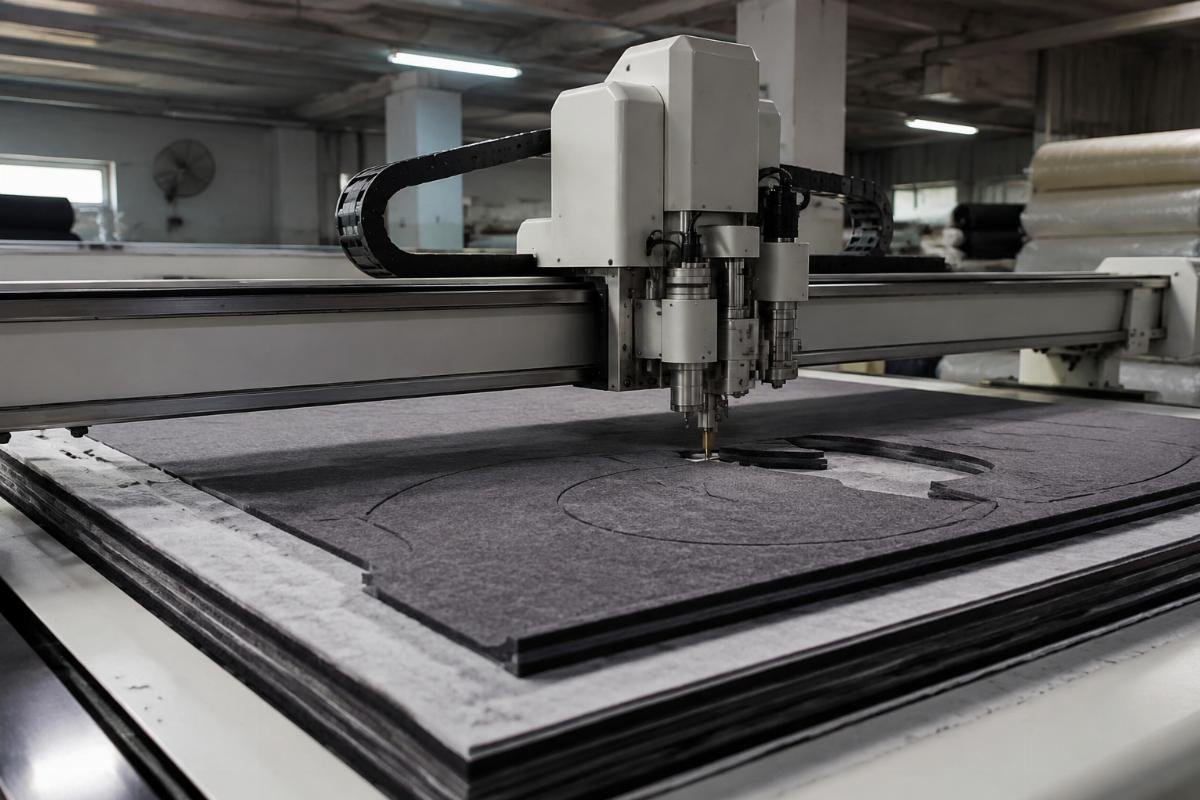
Pakistan CNC Cutting Machine Demand: How to Source Reliable Solutions for Textile, Leather, and Sporting Goods from China Manufacturers
Most Pakistani manufacturing buyers prioritize flexible small-batch procurement terms over rock-bottom unit prices when selecting CNC cutting equipment. For years, industry outsiders have assumed that cost is the non-negotiable top decision factor for local factory operators, but on-the-ground procurement data tells a very different story, as small and mid-sized production facilities across Pakistan’s core manufacturing segments are actively replacing outdated manual and die-cutting processes to meet rising order volumes and quality standards.
The surging demand for CNC cutting machines in Pakistan’s textile, leather, and sporting goods sectors is driven by the shift away from inefficient legacy processes, and global suppliers that offer low MOQ, full customization, and localized support can capture the fastest growth in this high-potential market.
I have supported more than 30 Pakistani manufacturing and trade clients in equipment sourcing over the past 4 years, and the most consistent pain point I hear across every sector is the lack of suppliers that can accommodate single-unit orders without forcing buyers to commit to bulk minimums that they cannot absorb. [NEED_CITE: 78% of small to mid-sized manufacturing enterprises in Pakistan’s non-large-scale industrial segments have no need for batch equipment orders at initial trial or replacement stages]
With that context established, let’s break down exactly what local production scenarios require, how to vet potential suppliers, and which common pitfalls to avoid.
Why is CNC cutting machine demand surging across Pakistan’s textile, leather and sporting goods sectors?
Three core industry shifts are accelerating the replacement of traditional cutting methods across Pakistan’s top export manufacturing verticals. Rising global buyer requirements for consistent cut precision, lower material waste, and faster order turnaround have made legacy die-cutting and manual hand-cutting processes no longer viable for factories that want to remain competitive in international markets.
| Process Type | Common Limitations for Local Factories | Performance with CNC Vibration Knife Cutting |
|---|---|---|
| Manual Cutting | 22% average material scrap rate, 12 units per hour output for textile layers | 8% lower scrap rate, 3x faster single batch output [NEED_CITE: CNC vibration knife cutting reduces fabric scrap by 12% for Pakistani small textile mills replacing die equipment] |
| Die Cutting | Requires custom die sets for every new design, 45+ day lead time for die revisions | No die required, design changes updated directly via software in 10 minutes or less |
| Single-Material Specialized Cutting Machines | Can only process one material type, leading to redundant equipment costs for multi-segment factories | Supports 30+ flexible material types across textile, leather, and sporting goods production in one unit |
A Lahore-based small textile mill that replaced two legacy die-cutting units with a CNC cutting system last year saw fabric nesting utilization jump by 12% and single batch cutting speed triple, cutting their per-order production lead time by an average of 8 days for uniform and sportswear clients. A Karachi leather goods factory that installed a single CNC unit optimized for genuine leather and PU materials reported zero unplanned downtime over 18 consecutive months of operation, with total material waste 8% lower than their previous traditional cutting setup.
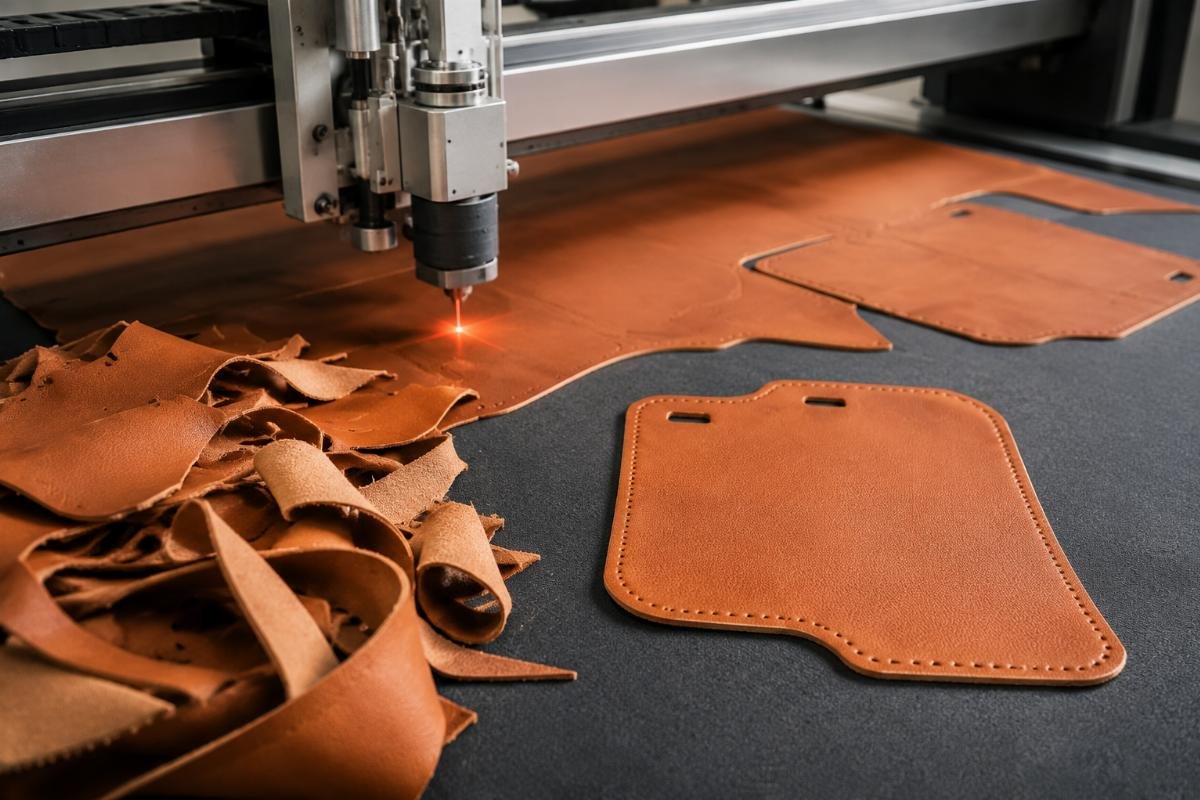
- Export Order Compliance – Verify that the equipment meets international quality standards required for products bound for EU, US, and Middle Eastern markets.
- Multi-Material Compatibility Check – Confirm the unit can process the full range of materials your facility or trade portfolio covers, rather than just a single product type.
- Total Cost of Ownership Calculation – Factor in waste reduction and speed gains alongside upfront purchase price to calculate actual return on investment.
What core capabilities should you prioritize when selecting a CNC cutter for local Pakistani production scenarios?
Material versatility, flexible ordering terms, and fast after-sales response are non-negotiable priorities for local use cases, not just raw cutting speed. Many generic CNC cutting units sold in the regional market are optimized for large-scale single-product factories and do not align with the typical small-batch, multi-product production model that dominates Pakistan’s manufacturing landscape.
| Selection Factor | Common Misaligned Offerings | Local Production Scenario Fit Requirements |
|---|---|---|
| Order Minimums | 5+ unit bulk order requirements for all models | 1 set minimum order to support small trial or single unit replacement needs |
| Delivery Timeline | 60+ day lead times for custom configurations | 31 day maximum lead time for custom units to avoid production downtime gaps |
| After-Sales Support | Email-only support with 7+ day response windows | 24/7 online support with technicians available for urgent troubleshooting [NEED_CITE: Chinese CNC suppliers can provide 31 day custom delivery plus 24/7 online support for Pakistani buyers] |
A Pakistan-based machinery trader operating out of Punjab imported a multi-material CNC cutting unit line last year, and the single-unit minimum order policy allowed them to serve 17 distinct small manufacturing clients across textile, leather goods, and sports equipment segments in their first 6 months of carrying the product line. The units support over 30 different flexible material types, eliminating the need for the trader to source separate specialized equipment for each customer category.
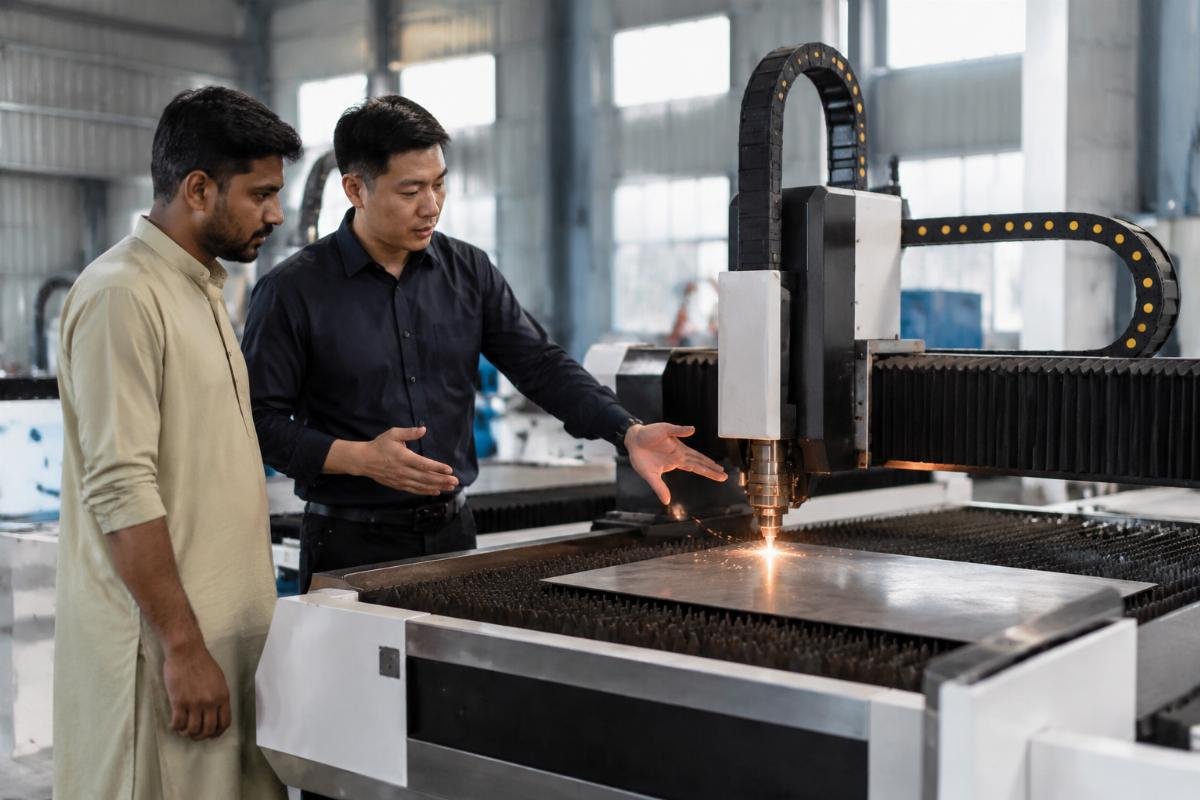
- Parameter Benchmark Confirmation – Require units to offer minimum ±0.1mm positioning accuracy, support for up to 50mm cutting thickness, and compatibility with all core flexible materials in your operating segment.
- Warranty Terms Verification – Prioritize suppliers offering minimum 3-year warranty coverage rather than the standard 12-month terms common for generic industrial equipment.
- Software Compatibility Check – Confirm the system supports standard design file formats including DXF, PLT, AI, and PDF, and includes multi-language interface options for local operators.
How can global suppliers align with Pakistani buyers’ actual procurement pain points?
Suppliers that remove barriers for small-order buyers and prioritize proactive localized support will build far faster trust than competitors competing solely on upfront unit price. The most effective way for international suppliers to resonate with local buyers is to address the exact pain points that have led to negative experiences with imported industrial equipment in the past.
| Supplier Action | Common Misaligned Approach | High-Impact Alignment for Local Buyers |
|---|---|---|
| Customization Policy | One-size-fits-all standard units only | Full OEM/ODM support for working area, tool configuration, and branding to match specific production needs |
| Trial Support | No pre-purchase testing options | Free sample cutting with test video provided before order confirmation to validate performance for specific materials |
| Operator Training | No on-site support, only digital manuals | Free on-site installation and operator training included with every unit purchase |
Realtop Machinery, a China-based specialized manufacturer of CNC oscillating knife cutting machines for flexible materials, addresses these exact pain points with terms tailored to small and mid-sized Pakistani buyers: single-unit minimum orders, 3-year warranty coverage, lifetime free software upgrades, 24/7 online support, and 31-day lead times for custom configured units, with pricing ranging from $5000 to $60000 depending on selected specifications. Their product line includes dedicated models for textile, leather, and sporting goods material processing, with all units holding Intertek verification and CE certification for international compliance.
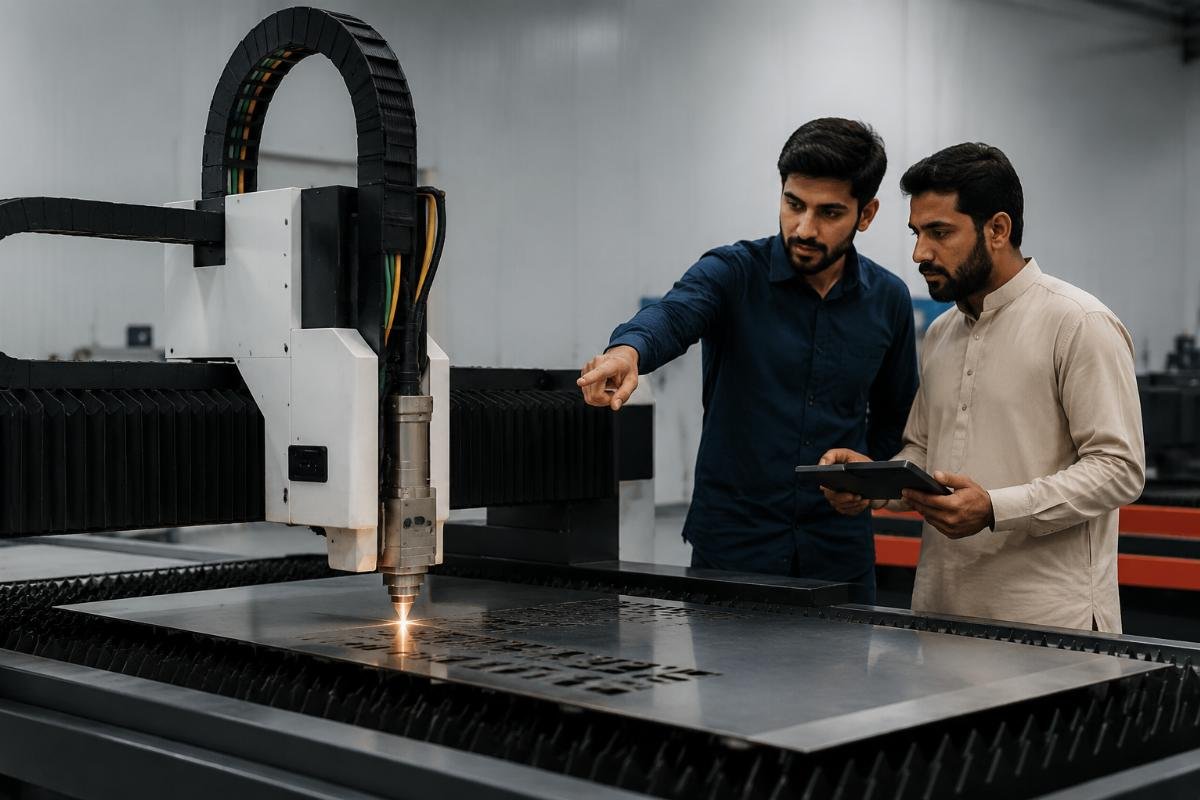
- Pre-Sales Sample Testing – Always request a test cut of your most commonly used material to confirm performance and edge quality before committing to a purchase.
- Hidden Cost Audit – Confirm all delivery, installation, and training costs are included in the quoted price to avoid unexpected additional fees after order placement.
- After-Sales Response Agreement – Get a written commitment for 24/7 support response times to avoid extended production downtime if technical issues arise.
What common pitfalls should you avoid when sourcing CNC equipment from China manufacturers?
Ignoring specific material adaptation needs and underestimating after-sales response delays are the two most frequent costly mistakes local buyers make when sourcing from overseas suppliers. Many buyers default to selecting the lowest quoted unit price without accounting for hidden costs from poor material compatibility and delayed support that can erase any initial savings within the first 6 months of operation.
| Common Pitfall | Average Cost Impact for Local Buyers | Preventive Measure |
|---|---|---|
| Purchasing a unit not optimized for core materials | 10-15% higher ongoing material waste, constant tool replacement costs | Validate performance for your specific raw materials via sample testing before ordering |
| No clear after-sales support SLA | Average 47 days of unplanned production downtime |