


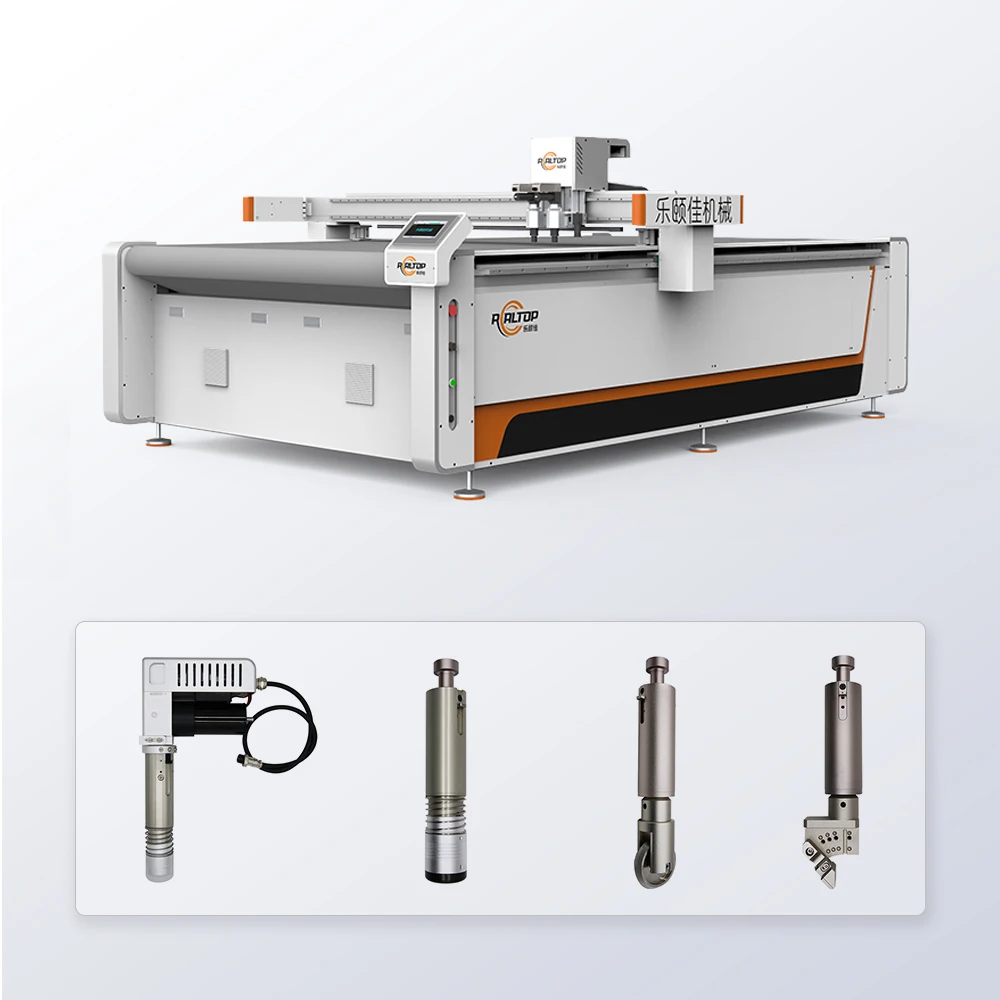
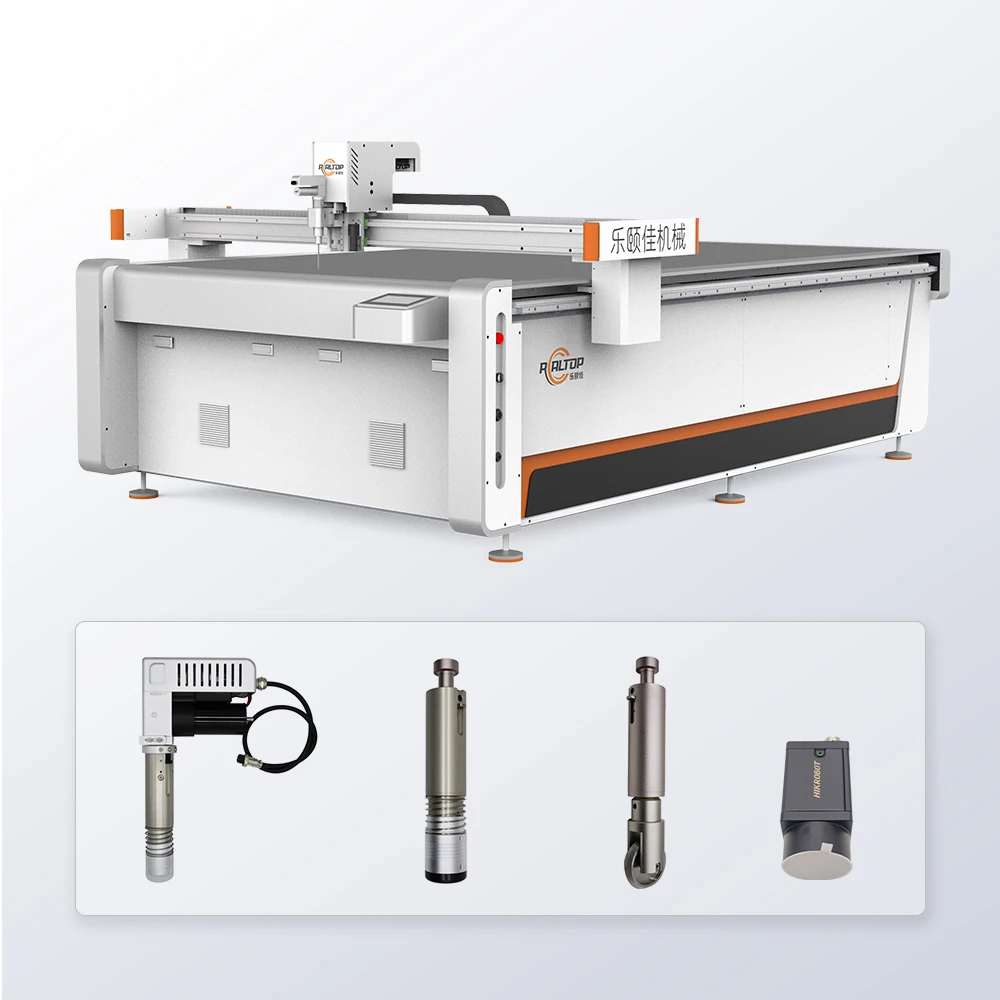
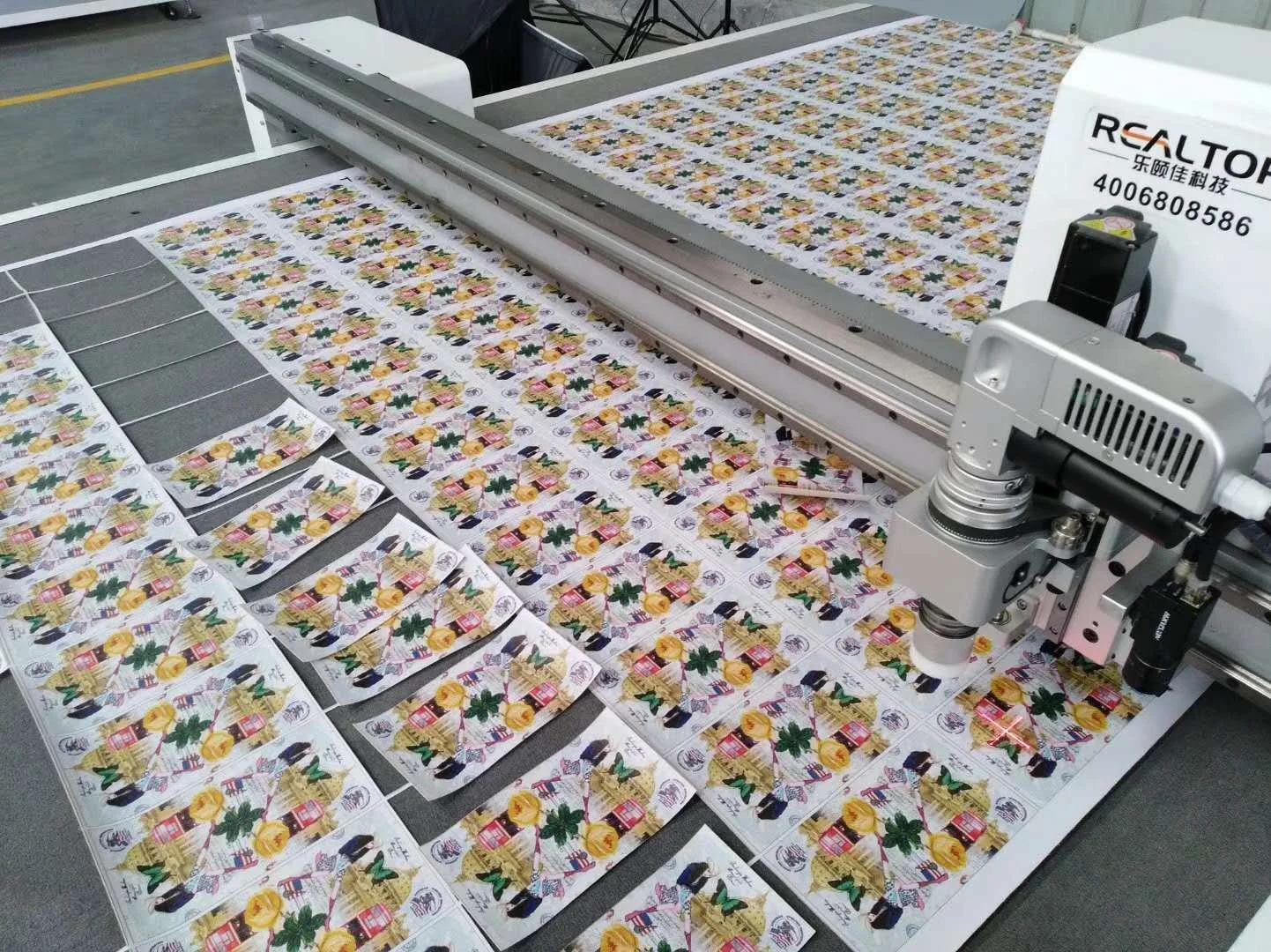
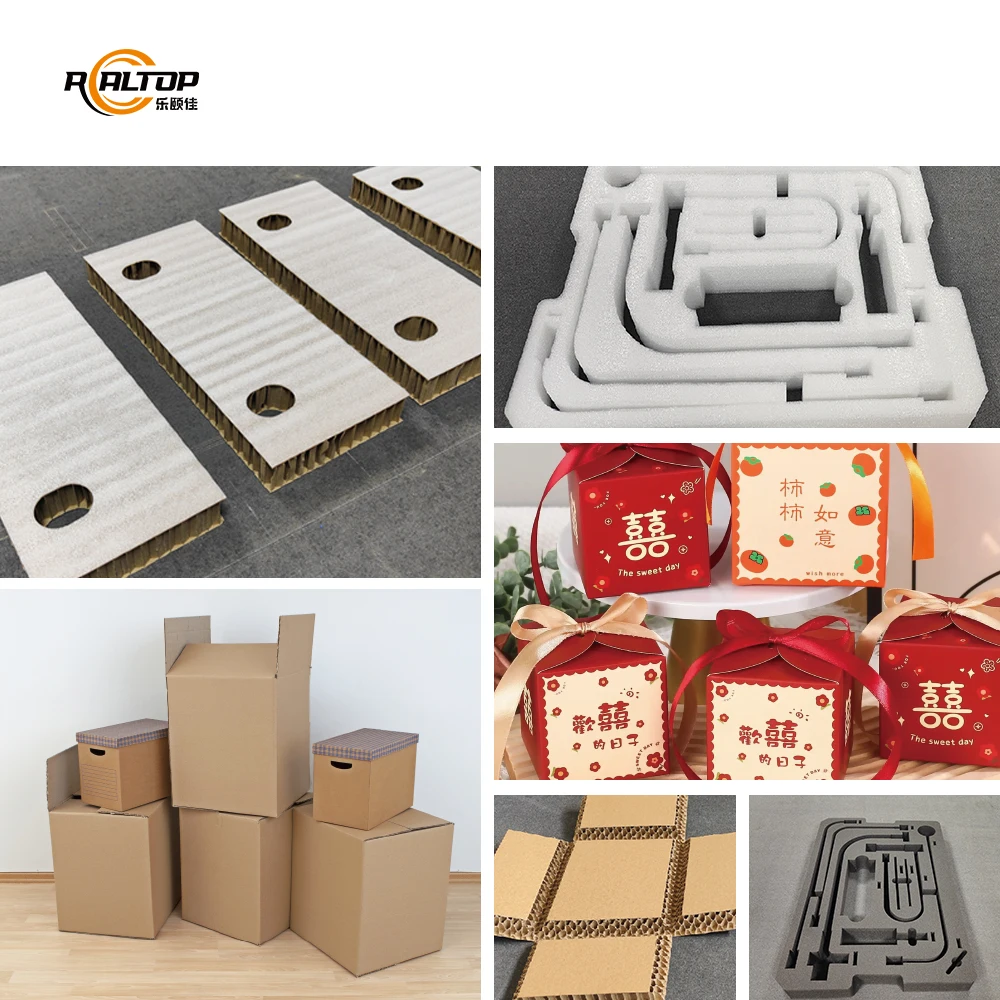

Tooling Matched to Board Flute — Every corrugated profile, greyboard density, and foam insert we cut here is verified with a physical sample on the buyer’s actual stock before configuration is locked in.
Technical Specifications
| Parameter | Value |
|---|---|
| Product Type | CNC Oscillating Knife Cutting Table |
| Working Area | 1600 × 2500 mm |
| Cutting Thickness Capacity | Up to 40 mm |
| Cutting Accuracy | ±0.1 mm |
| Cutting Speed Range | 0–1500 mm/s |
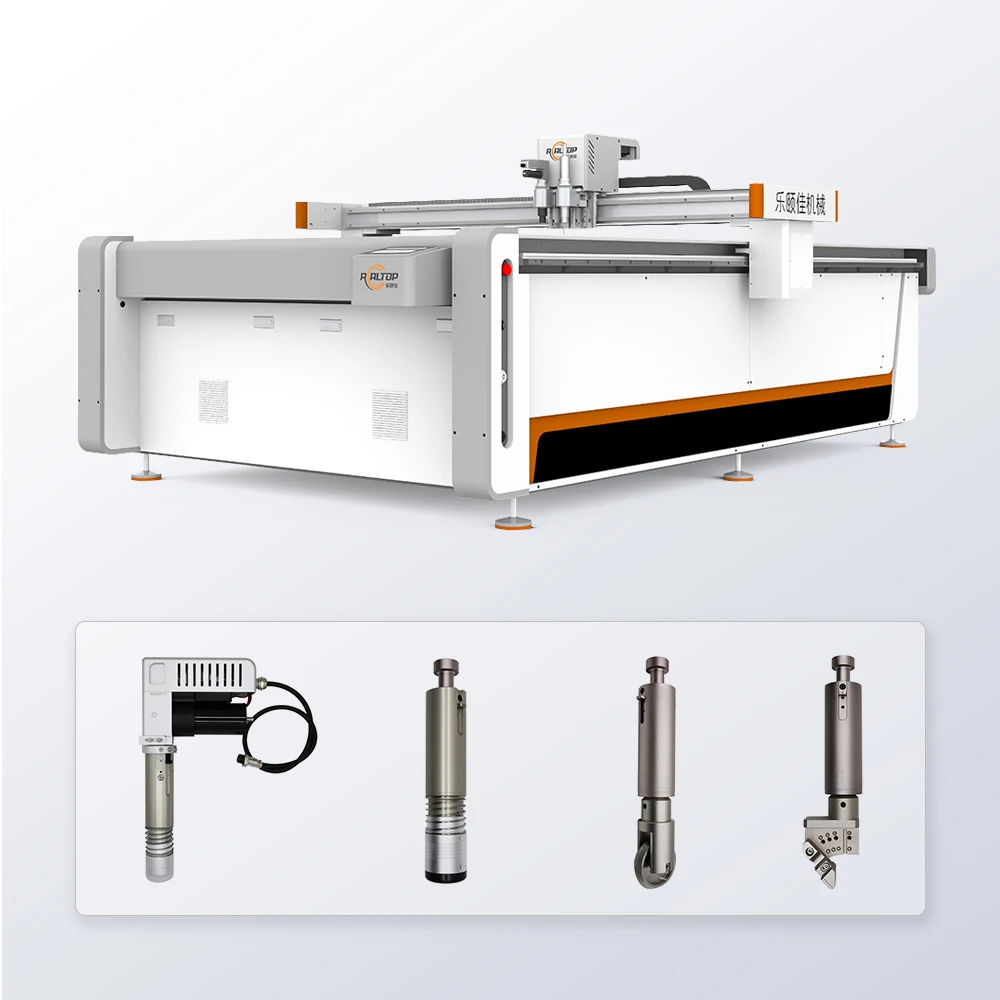
| Available Tool Heads | Oscillating knife, driven rotary knife, creasing wheel, kiss cutting tool, pneumatic knife, milling tool, V groove knife |
| Positioning System | CCD camera for printed contour recognition |
| Vacuum Table | Aluminum bellows vacuum table |
| Vacuum Pump | 9 kW |
| Control System | PLC control panel with dedicated packaging box structure design software |
| Compatible File Formats | PLT, DXF, AI, PDF |
| Voltage Options | 110V, 220V, 380V (frequency to be confirmed per market) |
| Servo Motor Options | Panasonic, Delta, Dorna (basis to be confirmed) |
| Safety Devices | Infrared sensor device, emergency stop device |
| Machine Dimensions | 3300 × 2100 × 1350 mm |
| Control Language Options | English, Russian, Italian, Chinese, special languages customizable |
| Standards | ISO-Certified facility, CE documented |
Application Suitability
| Application | Material or Output |
|---|---|
| Packaging sample making and short-run prototypes | E-flute, B-flute, BC-flute corrugated board, greyboard, cardstock, art paper |
| Custom box and insert fabrication | Specialty paper, Coroplast, EVA/EPE/PU foam inserts |
| Gasket and protective packaging cutting | Rubber mats, thin plastic sheets (PVC, PET), composite and adhesive-backed materials |
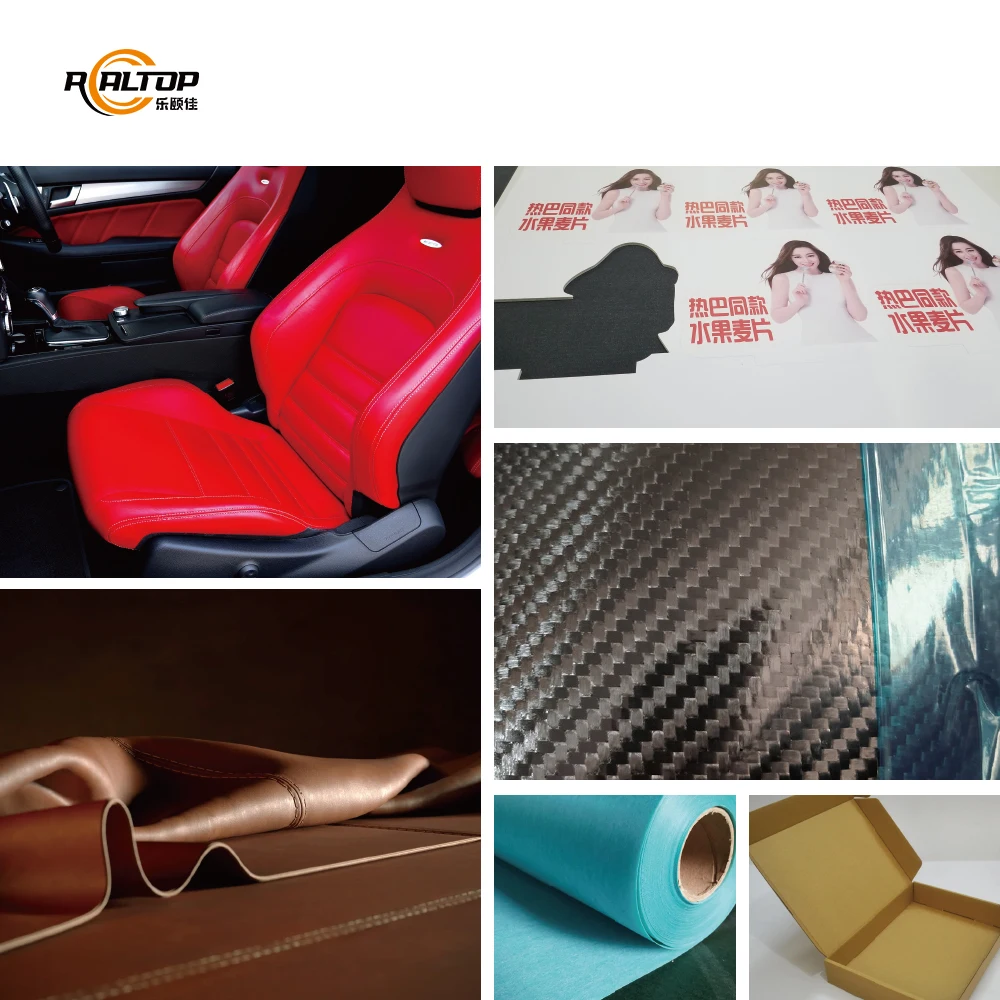
| Textile and leather packaging components | Velvet/fleece fabric, non-woven fabric, leather, synthetic leather |
Why Board Thickness Alone Cannot Dictate the Machine Choice
A working area of 1600 × 2500 mm tells you the sheet size the CNC oscillating knife cutting table production line packaging can hold, but nothing about whether the knife can penetrate a triple-wall BC-flute at production speed without delaminating the liner.
When a packaging sample room specifies equipment based solely on table dimensions, the first real test comes when the operator loads a dense greyboard or a high-flute corrugated sheet and the tool head stalls or crushes the flute structure instead of shearing through it cleanly. The cutting force required for 2 mm art paper and 40 mm EVA foam are orders of magnitude apart, and the wrong oscillation frequency or knife profile will produce ragged edges on one while refusing to penetrate the other. I have seen workshops receive machines that ran perfectly on the supplier’s standard test card, only to spend days re-tuning parameters when their own高密度 corrugated stock arrived on the floor [NEED_CITE: cutting force requirements across corrugated flute profiles].
Mapping the Tool Head Array to Your Substrate Library
The interchangeable tool head array on this CNC oscillating knife cutting table production line packaging system is not a cosmetic options list — each head addresses a distinct mechanical failure mode in packaging substrates. An oscillating knife shears through corrugated flutes without crushing the air columns that give the board its stacking strength, while a creasing wheel compresses fold lines into greyboard and cardstock without fracturing the surface coating. A V groove knife removes a precise channel from foam inserts so that rigid panels fold at exact angles for protective packaging assemblies.
Selecting the correct head requires knowing the substrate stack in advance: a workshop running predominantly E-flute prototypes with occasional B-flute runs will configure the oscillating knife and creasing wheel as primary tools, whereas a facility producing foam-in-place protective inserts will prioritize the V groove and kiss cutting tools for nested cavity work.
Vacuum Zoning and the Small-Part Problem in Packaging Runs
Packaging sample making generates a high volume of small offcuts and internal knockouts — ventilation slots, handle cutouts, locking tabs — that lose vacuum hold-down the moment the knife completes the perimeter cut and the surrounding waste is cleared. The aluminum bellows vacuum table on this system provides full-surface suction distribution, but the real variable is how the table zoning maps to the nesting layout your software produces.
If your typical job nests dozens of small carton blanks across the 1600 × 2500 mm bed, the vacuum zones must be addressed individually so that clearing one finished part does not release suction on adjacent pieces still being cut [NEED_CITE: vacuum table zoning strategies for nested small-part cutting]. A single-zone table pulling full suction across the entire bed wastes energy on empty zones and may still fail to hold small parts if the pump is undersized for the open area surrounding them.
Reading the Specification Sheet Against Your Actual Production Variables
The 9 kW vacuum pump rating must be evaluated against the porosity of your primary substrates — corrugated board is inherently porous and bleeds vacuum through the flute channels, requiring more pump capacity than a solid greyboard sheet of the same area. The ±0.1 mm cutting accuracy figure holds significance only when the material is fully restrained; a sheet that lifts even fractionally during the knife stroke will produce dimensional drift that compounds across a nested layout.
The 0–1500 mm/s cutting speed range is a mechanical envelope, not a production rate — actual throughput on a 40 mm EVA foam insert will be a fraction of what is achievable on 1 mm cardstock, because the knife must reduce speed to maintain edge quality and tool life in dense material. The PLC control panel with dedicated packaging box structure design software addresses the workflow gap between generic CAD nesting and the specific parametric box templates that packaging sample rooms use daily, accepting PLT, DXF, AI, and PDF imports to avoid file conversion bottlenecks.
The Cost of Skipping Material Verification Before Shipment
A buyer who confirms the working area and voltage but skips the physical sample test on their own stock will discover the mismatch only after the machine is bolted to the floor in their facility. At that point, correcting a tool head selection error means waiting for replacement parts across international freight, while correcting a vacuum insufficiency may require adding an external pump and replumbing the table zones — both scenarios consume production days that were not budgeted.
I recall a packaging contract where the sample tests ran flawlessly on standard greyboard, but the buyer’s daily production used a high-density coated board with a mineral-filled coating layer that dulled standard oscillating knives within hours, requiring a switch to a hardened blade profile that had not been included in the original configuration [NEED_CITE: abrasive coating effects on oscillating knife blade life]. The delay was measured in weeks, not hours.
What the Manufacturer Brings to This Specific Configuration
The in-house design and production capability covering both knife and laser cutting technologies means the cutting method is matched to the material rather than forced into a single technology — a packaging facility that also processes acrylic display stands or wooden die-boards can evaluate both methods under one technical consultation. Tool head and table configurations are specified per material type and production volume rather than sold as a fixed package, so a sample room running fifty prototypes a week receives a different recommendation than a contract packer running ten thousand identical inserts per shift.
CCD camera positioning for printed registration marks is verified against the buyer’s actual print quality and mark contrast before the system ships, because a camera that tracks high-contrast marks in the factory test may struggle with low-contrast or partially overprinted marks on the buyer’s production stock. Software compatibility is confirmed by importing the buyer’s existing PLT, DXF, AI, or PDF files during the sample stage, eliminating the risk that a proprietary file format will block the workflow on day one.
Voltage, plug type, and control panel language are confirmed and documented before the machine enters production, so a facility in a 220V/50Hz market does not receive a 380V/60Hz configuration that requires a transformer and produces incorrect servo timing.
Documentation & Verification
- Machine specification sheet listing confirmed tool heads and vacuum zone layout for your substrate range
- Electrical schematic with voltage and frequency matched to your facility supply before production begins
- Sample cutting report produced on your own corrugated, greyboard, or foam stock with measured accuracy data
- Software licence and file format compatibility note confirming PLT, DXF, AI, and PDF import verification
- Factory test record documenting cutting parameters and edge quality on your supplied materials before dispatch
- Operation and maintenance manual in your selected control language with tool change and blade replacement procedures
Installation, Commissioning & Support
- Machine footprint of 3300 × 2100 mm requires a level concrete floor with clearance for sheet loading on at least two sides
- Dedicated electrical circuit matching the confirmed voltage (110V, 220V, or 380V) with the 9 kW vacuum pump on its own breaker
- Assembly state and rigging points confirmed before shipment to match your facility door and overhead lift capacity
- First-run parameter tuning on your actual board flute and foam density during on-site or remote commissioning
- Operator training covering tool head changeover, vacuum zone selection, and CCD camera mark registration for your print stock
- Spare parts list identifying oscillating knife blades, creasing wheels, and vacuum seals with recommended reorder intervals
What to Include in Your Initial Technical Inquiry
A packaging production manager evaluating this system should provide the specific substrate types, flute profiles, and material thicknesses that represent the majority of daily output, along with typical sheet dimensions and the volume of nested parts per shift. The target market voltage and frequency, preferred control panel language, and any existing design software whose files must import directly will allow the configuration to be proposed without a second round of clarification. If your operation runs printed packaging with registration marks, sending a sample of the actual printed stock — including the mark color, size, and contrast against the background — enables the CCD camera configuration to be verified before the build begins.
Frequently Asked Questions
Q: How do I verify the cutting thickness capability against my specific board flute and foam density?
A: Send representative samples of your actual production materials — including the densest corrugated flute and the highest-density foam you run — for a physical cutting test. The sample cutting report documents the tool head used, cutting speed, edge quality, and measured dimensional accuracy on your stock, not on a generic test card. This is the only reliable method to confirm the 40 mm maximum thickness rating applies to your specific substrate.
Q: What voltage and frequency information do I need to confirm before the machine is built?
A: Provide the exact voltage, phase, and frequency available at the installation point in your facility, along with the plug type required by local electrical codes. The system is configurable across 110V, 220V, and 380V options, but the frequency (50 Hz or 60 Hz) affects servo motor timing and vacuum pump performance. Confirming these details before production prevents a transformer requirement or incorrect motor calibration on arrival.
Q: How does tool head selection map to the different materials in my packaging workflow?
A: Each tool head addresses a specific mechanical requirement: the oscillating knife shears corrugated flutes without crushing, the creasing wheel compresses fold lines in greyboard, the V groove knife channels foam for rigid insert assembly, and the kiss cutting tool scores adhesive-backed materials without penetrating the liner. Your configuration is based on the substrate mix and production volume you provide during the technical consultation.
Q: Will the software accept my existing packaging design files without conversion?
A: The dedicated packaging box structure design software accepts PLT, DXF, AI, and PDF file formats directly. During the sample stage, your actual design files are imported and processed to confirm compatibility with your nesting workflow, layer structure, and parametric box templates. Any format-specific issues are identified and resolved before the machine ships, not discovered during your first production week.
Q: What should I send for the sample cutting test, and how do I evaluate the results?
A: Send flat sheets of your most demanding materials — the thickest corrugated flute, the densest foam, and any coated or abrasive stock that has caused blade wear issues on previous equipment. The sample cutting report returns cut pieces with measured accuracy, edge quality photographs, and documented tool parameters, allowing you to evaluate whether the edge finish, dimensional tolerance, and cutting speed meet your production standards before committing to the order.



商品评价
Clear filtersThere are no reviews yet.