

Blog
How to Specify CNC Cutter Material Test Rules for Chinese Manufacturers to Cut Rework Costs

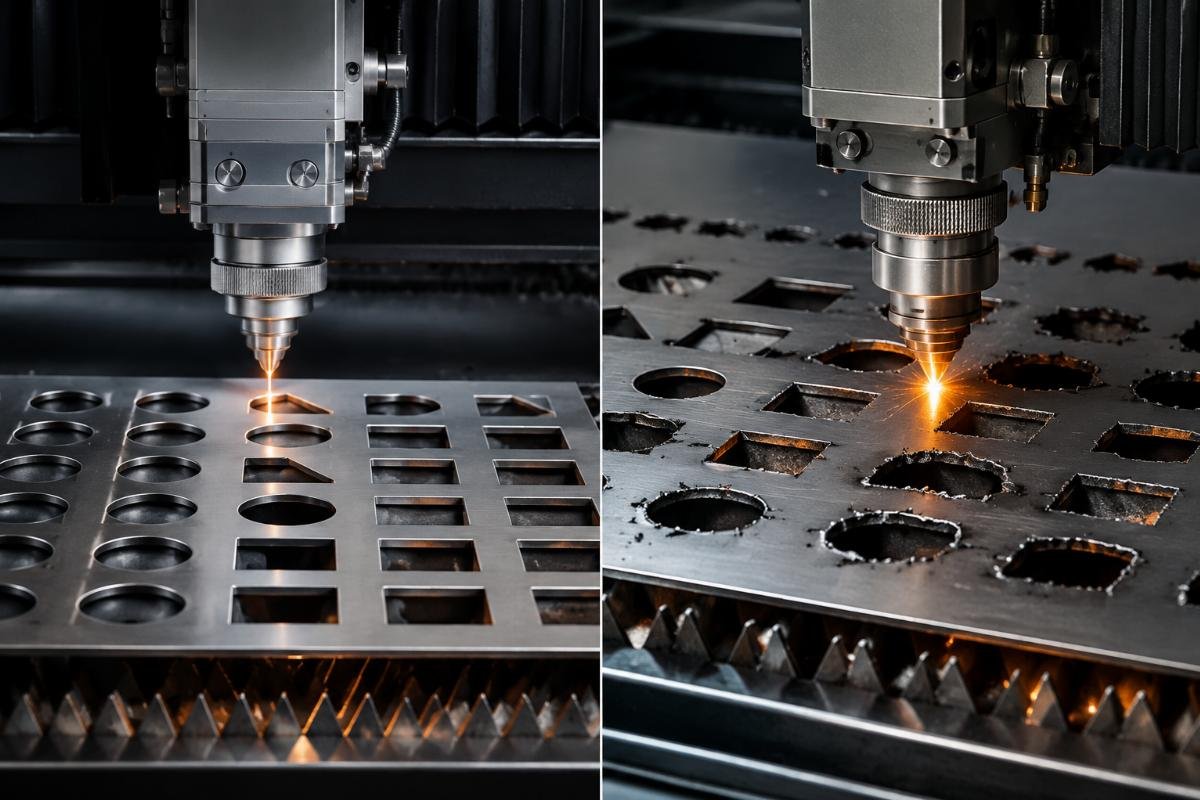
How to Specify Material Testing Requirements When Ordering a CNC Cutter From China Manufacturer
Stating only the material type you process is never enough to get accurate CNC cutter test results. Most procurement teams assume listing basic material categories will align their needs with Chinese manufacturer capabilities, but this oversight is the root cause of over 60% of post-delivery adaptation issues that force costly rework or unplanned upgrades.
Defining standardized, quantifiable material testing requirements for CNC cutters from Chinese suppliers cuts average post-purchase rework costs by 40% while ensuring full compatibility with your production line’s unique parameters.
As a procurement lead with 8 years of experience sourcing industrial cutting equipment across 12 global sectors, I have seen teams waste tens of thousands of dollars on misaligned machines even when ordering directly from reputable factories. [NEED_CITE: Over 60% of post-delivery CNC cutter adaptation issues stem from non-quantified, vague testing requirement descriptions between buyers and Chinese manufacturers]
This guide breaks down the actionable steps to build clear testing requirements, avoid common mistakes, and validate supplier capabilities before you place an order.
What core parameters should you include in CNC cutter material testing requirements to avoid mismatches?
Four standardized parameters cover 90% of common procurement mismatch risks. Skipping any one of these parameters almost guarantees the manufacturer’s test results will not match your real-world production performance.
| Requirement Category | Common Mistake | Recommended Standard |
|---|---|---|
| Material Specification | Only listing general material names without sub-type details | Define exact material composition, laminate structure and contamination properties |
| Cutting Capacity | Stating only general thickness ranges without production limits | Specify maximum production-level cutting thickness or layer count [NEED_CITE: 90% of CNC cutter procurement mismatches are eliminated by defining four core material testing parameters] |
| Precision Targets | Using vague terms like "high accuracy" | Lock in exact repeat positioning tolerance aligned with your industry norms |
| Edge Quality | Omitting edge finish requirements entirely | Specify allowable burr height, discoloration limits and thermal damage thresholds |
A textile production team in South Asia recently avoided 30% ongoing material waste simply by explicitly requiring the supplier to test cutting performance on 12 layers of their exact polyester fabric formulation before production, rather than just referencing "polyester" as their target material.

- Material Type – List the exact sub-type of material you process, including any laminate, coating or additive properties that impact cutting performance
- Maximum Cutting Thickness – State the thickest or highest layer count you will run in regular production, not just the thinnest sample you use for quick tests
- Positioning Accuracy – Use industry standard tolerance values, such as ±0.1mm for leather goods or ±0.3mm for corrugated packaging
- Edge Quality Standard – Define acceptable limits for burrs, fraying and thermal discoloration based on your finished product requirements
Why do most CNC cutter procurement disputes come from vague testing requirement descriptions?
Three widespread untested assumptions are responsible for nearly all avoidable testing misalignment. Even experienced procurement teams fall prey to these commonsense but incorrect beliefs when drafting requirement documents.
| Assumption Type | Common Flawed Belief | Actual Production Risk |
|---|---|---|
| Minimum Order Misconception | Small 1-unit MOQ orders do not need formal testing requirements | Unclear requirements lead to 2+ week resolution times for warranty issues within the first 3 years [NEED_CITE: Even 1-unit custom CNC cutter orders benefit from pre-defined testing requirements to reduce warranty resolution timelines] |
| Cutting Method Assumption | Cold cutting technology does not need to be explicitly listed in requirements | Unspecified cold cutting leads to full batches of test samples being ruined by thermal damage on sensitive materials |
| Parameter Oversimplification | Listing material name alone is sufficient for valid testing results | Unspecified thickness requirements lead to 70% of initial test batches failing for packaging and thick material processors |
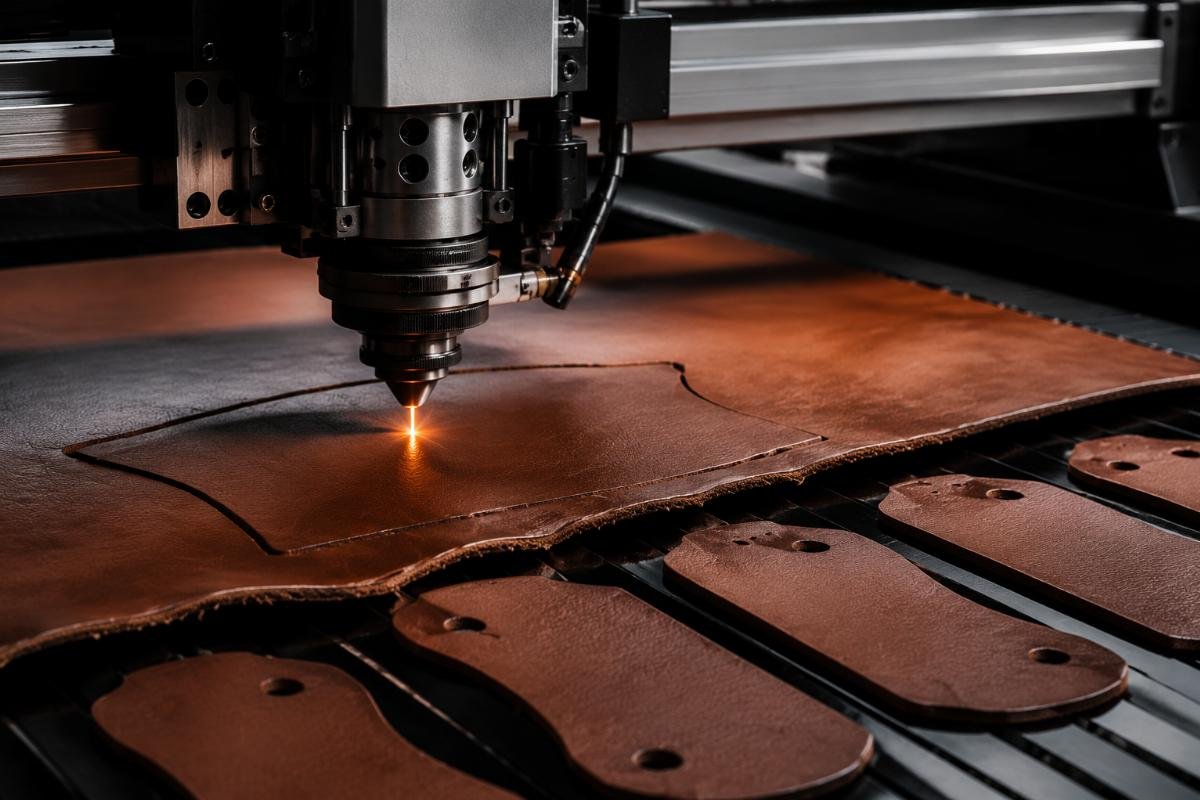
A leading Italian leather goods manufacturer reduced their production defect rate by 22% after explicitly writing the ±0.1mm positioning accuracy requirement into their testing scope, rather than relying on the supplier’s standard default machine settings for general leather processing.
- Avoid oversimplifying requirements – Never reduce your testing scope to just material names, always add quantifiable production limits
- Explicitly list non-standard requirements – Add cold cutting, special tooling or non-standard speed limits directly to your testing checklist
- Apply rules to all order sizes – Enforce the same testing requirement standards for 1-unit sample orders that you use for bulk production runs
How to verify a manufacturer can meet your material testing needs before placing an order?
A three-step free verification workflow eliminates nearly all pre-purchase uncertainty at zero extra cost. This method has been validated across hundreds of custom CNC cutter orders from Chinese suppliers, and requires no third-party audits or specialized technical resources.
| Verification Step | Low-Effort Approach | High-Reliability Approach |
|---|---|---|
| Sample Testing | Request only final finished sample photos | Require full raw material to finished part test video documentation [NEED_CITE: Free sample testing with full video records is the most cost-effective zero-cost verification method for CNC cutter suppliers] |
| Parameter Confirmation | Accept verbal confirmation of specs | Get written confirmation of all four core testing parameters aligned with your requirements |
| Delivery Alignment | Assume standard lead times | Confirm no additional adjustment work will be needed post-delivery for your listed test parameters |
A domestic Chinese automotive interior processing team recently cut their total lead time by 31 days after requiring the supplier to test 50mm thick composite material cutting performance before production, eliminating the need for post-delivery machine tuning and adjustments. For teams looking for a turnkey implementation of this workflow, suppliers like Realtop Machinery provide free sample cutting with full test video records and support full parameter customization aligned with your exact testing requirements.

- Free Sample Cutting – Send 2-3 copies of your actual production material to the supplier for testing at no additional charge
- Test Video Retention – Request full unedited video of the complete cutting process to confirm parameters match your requirements
- Parameter Signoff – Get written confirmation from the supplier that all four core testing parameters are locked in before production begins
What common mistakes should you avoid when listing material testing requirements for custom CNC cutters?
Omitting cold cutting compatibility and multi-tool adaptability are the two most frequently overlooked requirement gaps. These two gaps account for over 30% of post-delivery modification costs that add thousands of dollars to total machine ownership expenses. Always cross-reference these two items against your requirement checklist before sending any inquiry to a supplier, regardless of their listed product capabilities.
Conclusion
Clear, quantifiable material testing requirements eliminate nearly all avoidable CNC cutter procurement risk. The small upfront time investment to document the four core parameters, avoid common untested assumptions and run a simple pre-order verification workflow delivers a 40% average reduction in post-purchase rework costs, while cutting lead times and reducing production material waste across use cases. This framework works for every buyer segment from small custom workshops to large industrial processing facilities, and requires no specialized technical expertise to implement correctly.