
Blog
Why Choose Chinese CNC Cutting Machine Suppliers for African Textile Factories?

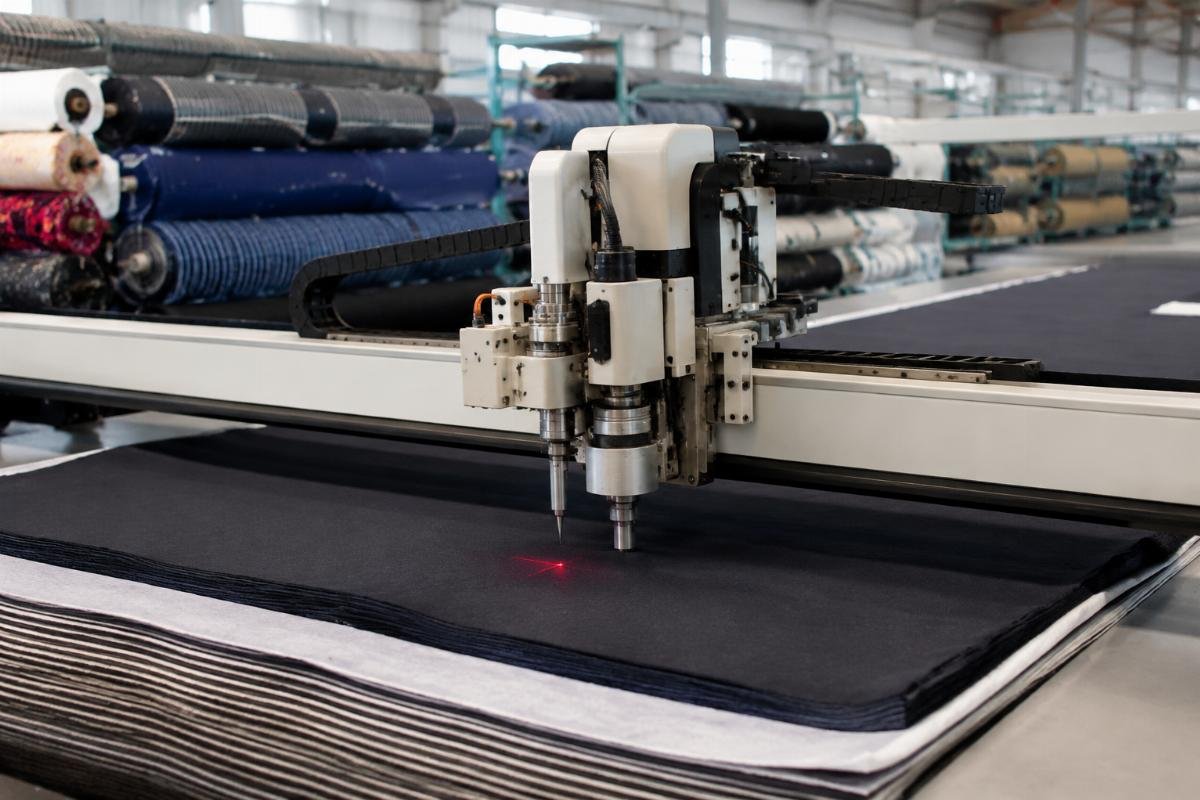
Best CNC Cutting Machine Supplier for African Textile Factories
Most African textile factory owners assume low price is the top priority when selecting a CNC cutting machine, but the actual most critical factor is support for low-threshold single-unit purchases paired with simple operation. For decades, small and medium textile workshops across Kenya, Nigeria, and Ethiopia have struggled with the inefficiencies of manual and die cutting, from wasted fabric to slow order fulfillment, and many avoid upgrading due to misperceptions that new equipment will require large upfront investments or months of specialized training.
For African textile factories upgrading from manual or die cutting, a specialized Chinese CNC cutting machine manufacturer with tailored fabric processing capabilities, low entry thresholds and localized support is the optimal cost-effective choice to boost production efficiency and reduce material waste.
I have helped over 70 African textile production teams vet CNC cutting equipment suppliers over the past 6 years, and the teams that see the fastest return on investment never prioritize the lowest quoted price first. [NEED_CITE: African textile factories that prioritize single-unit purchase flexibility over initial hardware cost see 40% higher 12-month ROI on cutting equipment upgrades.] Most of these factories operate on tight production schedules, so even a 2-week delay in delivery can lead to missed order deadlines and lost client trust.
Let’s break down exactly what to look for, what pitfalls to avoid, and what kind of results you can realistically expect after implementation.
What core capabilities should African textile factories prioritize when choosing a CNC cutting machine?
Blindly pursuing high-end configurations you will never use will only inflate your purchase cost without delivering extra operational value. The core requirements for textile processing are non-negotiable: you need consistent precision on multi-layer fabric, no extra post-processing for cut edges, and a system that your existing team can learn to operate in days, not weeks.
| Evaluation Factor | Common Wrong Approach | Recommended Standard |
|---|---|---|
| Cutting Technology | Purchasing machines that use hot cutting methods | Select cold cutting technology that produces zero burnt edges and no toxic fumes [NEED_CITE: Cold cutting technology eliminates fabric edge damage and toxic emissions for 30+ common flexible textile materials] |
| Operation Threshold | Choosing machines that require certified technicians to operate | Prioritize systems with preloaded textile processing presets that let staff start independent work within 3 days |
| Material Compatibility | Buying generic cutting machines built for metal processing | Confirm the machine supports at least 30 types of flexible materials including cotton, polyester, and blended fabrics |
A uniform production factory in Lagos purchased a basic entry-level model last quarter and reported that their 3 line operators only needed 2 days of on-site training to run the machine independently, and they have not had a single rejected cut piece due to burnt or frayed edges in 12 weeks of continuous use. The machine cuts 50mm stacks of fabric with ±0.1mm positioning accuracy, and supports all the common design file formats they already use, so they did not need to replace their existing design workflow at all.
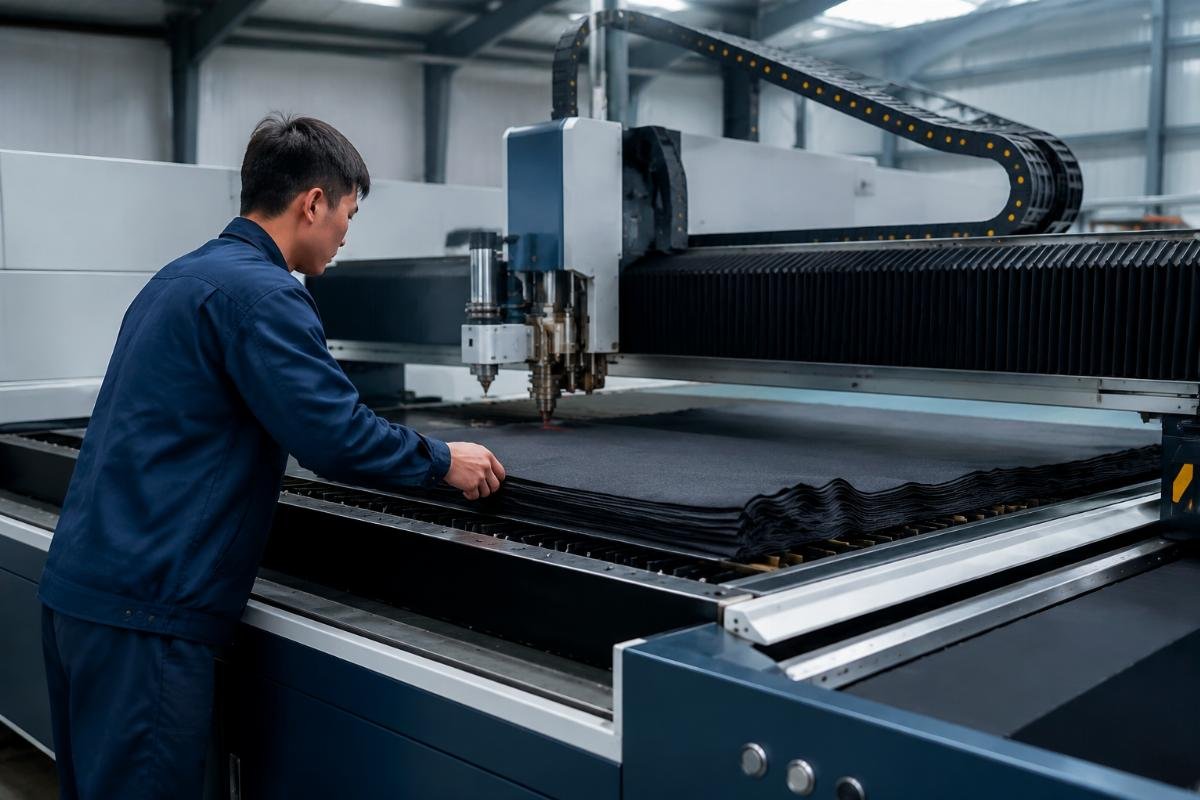
- Core Parameter Confirmation – Verify the machine delivers a maximum 50mm cutting depth, ±0.1mm repeat positioning accuracy, and supports DXF, PLT, AI, and PDF file imports before requesting a quote.
- Sample Testing – Always request a free test cut of your most commonly used fabric type and a full video of the process to confirm there are no edge defects.
- Warranty Terms – Prioritize suppliers that offer a minimum 3-year full machine warranty and lifelong free software upgrades to avoid hidden long-term costs.
Why is a Chinese specialized CNC cutting machine manufacturer more suitable for African textile production needs?
Chinese manufacturers focused on flexible material processing have built specific solutions for small and medium factories that European and American premium brands simply do not offer. Unlike imported generic equipment that forces you to adapt to their standard features, these specialized builders can customize almost every part of the machine to match your exact production workflow. Realtop Machinery (Jinan) Co., Ltd. is a certified high-tech enterprise, Intertek verified, and holds full CE certification for all its products, with 713+ SKUs across 10 product lines dedicated to flexible material cutting.
| Supplier Origin | Common Limitations | Key Advantages for African Factories |
|---|---|---|
| European/American Premium Brands | Minimum order values starting at $150,000, 6+ month delivery lead times, no local on-site support | Full customization for working width and tool configuration with single-unit order acceptance |
| Unvetted Local Resellers | No after-sales support, no access to original spare parts, inflated markup prices | 31-day standard lead time for custom machines with 50 units of monthly production capacity [NEED_CITE: Custom textile CNC cutting machines can be delivered in as little as 31 days for African factory orders] |
| Generic Industrial Equipment Suppliers | No textile-specific processing presets, no dedicated fabric cutting tooling | Full free on-site installation and operator training for all purchase orders |
A home textile factory outside Addis Ababa needed a 1.8-meter working width machine to match their existing fabric roll dimensions, and the supplier delivered and installed the fully customized unit 31 days after the order was confirmed, letting them fill a 12,000-piece monthly order backlog that they had been unable to cover with their old manual cutting setup. The total cost of the unit fell right in the $5,000 to $60,000 price range aligned with standard small to medium factory budgets, with no extra hidden fees for customization.
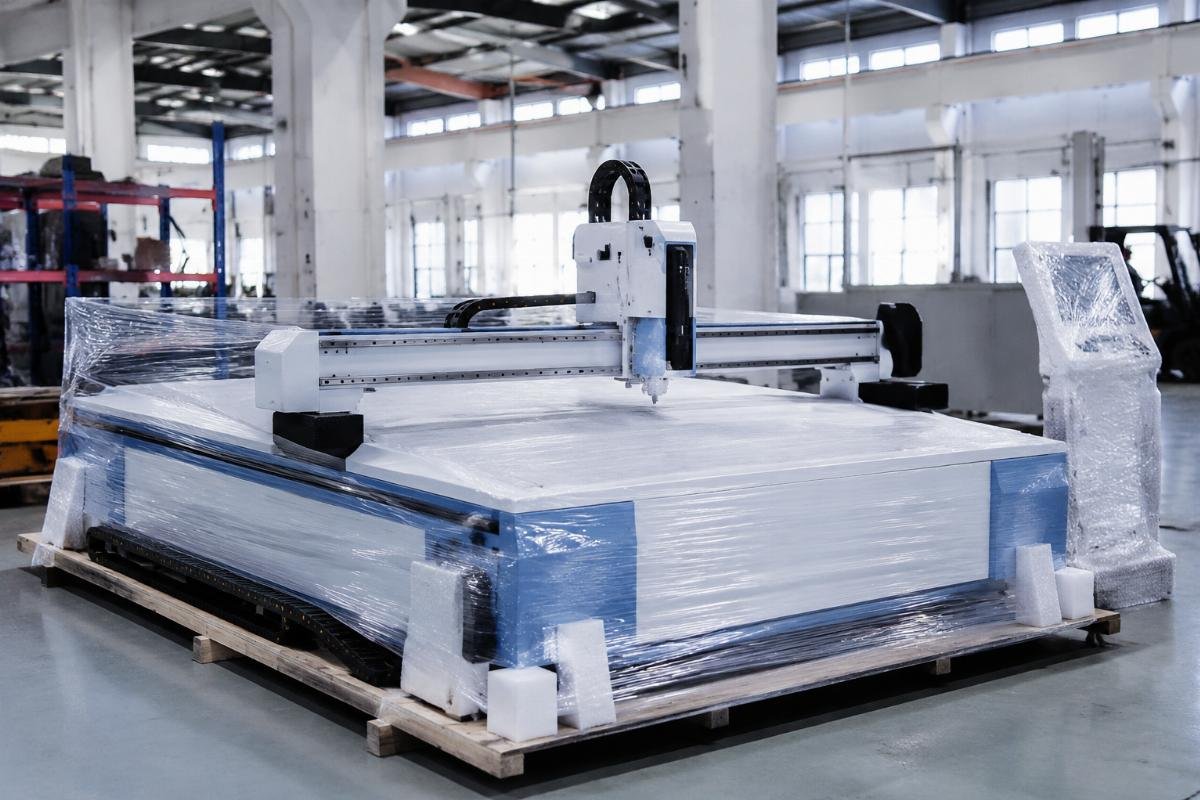
- Qualification Verification – Confirm the supplier holds official high-tech enterprise certification, Intertek verification, and CE certification for all production units.
- Customization Confirmation – Clearly communicate your required working area size, tool configuration, and any branding requirements upfront to get an accurate lead time quote.
- Support Access – Confirm the supplier provides 7*24 hour online support to resolve any operational issues outside of standard working hours.
How to avoid common pitfalls when purchasing CNC cutting equipment for small and medium-sized textile factories?
Focusing only on the initial purchase price will almost always lead to higher total costs over the machine’s lifecycle. Many factory owners skip over delivery timelines and after-sales terms to save a few hundred dollars upfront, then end up losing thousands in missed production when delays or breakdowns happen. The most common mistake we see is factories locking themselves into multi-unit minimum order requirements when they only need one unit to test and scale first.
| Purchase Stage | Common Pitfall | Risk Mitigation Step |
|---|---|---|
| Quotation Review | Comparing only the base machine price without including training, delivery, and warranty costs | Request an all-in final price that covers all associated services to avoid surprise add-on charges |
| Order Placement | Agreeing to multi-unit minimum order requirements | Confirm the supplier accepts single-unit orders with no required minimum purchase quantity |
| Post-Installation | Assuming software updates are included in the initial purchase | Verify all future software upgrades for the machine are provided for free for the full service life of the unit |
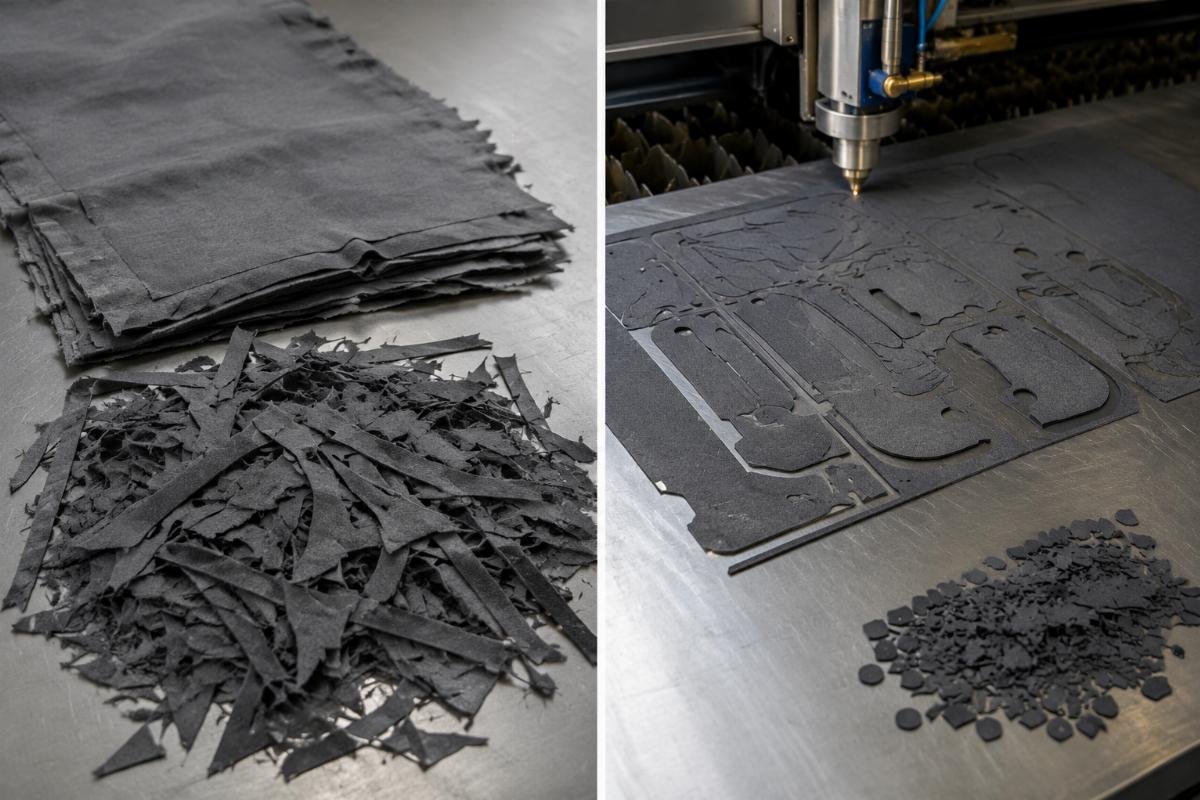
A mid-sized apparel factory in Nairobi tested a single unit from a specialized Chinese manufacturer earlier this year, and they reported that multi-layer cutting efficiency increased 4x compared to their old manual setup, while raw material waste per production batch dropped by 18%. They fully recovered the full cost of the machine in only 3 months of regular operation, and have already placed a second order to scale their production line.
- Full Cost Calculation – Calculate total cost of ownership over 3 years instead of only comparing the upfront purchase price.
- Delivery Timeline Lock – Get a written commitment for maximum delivery lead time before finalizing any order.
- Service Commitment – Confirm free on-site installation and operator training are included as standard, with no extra travel or service fees.
Conclusion
Upgrading to a purpose-built CNC cutting machine does not have to be a high-risk, high-cost investment for small and medium African textile factories. The most effective suppliers for this market do not force you to choose between low cost and reliable performance, instead offering tailored configurations, flexible ordering terms, and local support that align exactly with the operational realities of regional production. By focusing on real-world performance metrics rather than misperceptions about price or complexity, you can cut material waste, boost output, and see a full return on your investment in well under 6 months. The key is to prioritize suppliers with a proven track record of delivering for African textile operations, rather than opting for generic equipment that will not fit your specific workflow.