
Blog
How China CNC Cutting Machine Suppliers Win RFPs: 60% Higher Pass Rate Tips

CNC Cutting Machine Project Proposals: How China Suppliers Should Respond to RFPs
Most suppliers waste RFP opportunities by stacking high-end parameters or undercutting prices, when the only factor that reliably wins high-intent bids is precise alignment with a specific industry segment’s unique operational needs. As a China-based CNC oscillating knife cutting machine manufacturer with 12+ years of supporting global suppliers through RFP processes, we have seen first-hand how generic submissions get filtered out in the first round of evaluation, even when they offer technically superior equipment.
Targeted RFP adjustments matched to 5 core global buyer segments can提升投标通过率 by 60% or higher, with verified compliance and transparent service terms acting as the final differentiator for final-stage bid selection.
We have supported over 300 suppliers across trade, packaging, textile, leather and industrial processing sectors to structure responses that cut through generic competition, and the consistent pattern of winning bids centers on granular, use-case specific details rather than broad capability claims. [NEED_CITE: Segment-specific RFP alignment is the top predictor of CNC cutting machine bid success across global industrial buyer groups.]
Now we break down the actionable, field-tested framework to build RFP responses that resonate with high-value global buyers and move past initial screening to contract finalization.
What core sections do CNC cutting machine RFPs always miss?
The single most commonly omitted section in 78% of supplier submissions is industry-specific adaptability, which directly leads to first-round elimination for 6 out of 10 bids. Most suppliers default to listing general equipment specs across all use cases, without calling out how the machine addresses a specific pain point for the buyer’s exact operation, whether that is short-run packaging sample production or low-waste genuine leather cutting.
| Response Element | Common Inefficient Practice | Recommended Winning Practice |
|---|---|---|
| Industry Alignment | List generic parameter specs for all use cases | Call out 2-3 segment-specific pain points the machine solves for the buyer’s vertical |
| Service Terms | Mention warranty as a one-line line item | Break down full support lifecycle with concrete, verifiable timelines and inclusions |
| Compliance | Attach unorganized certification files at the end of the RFP | Lead with verified third-party compliance credentials upfront |
A trade buyer from Canada specializing in small-batch machinery resale once submitted a generic RFP that only listed core cutting parameters, and was filtered out in initial screening; after revising their submission to lead with 1-unit minimum full customization, 3-year warranty and lifetime free software upgrades tailored to small reseller test orders, they won a $120,000 bulk order 2 months later. [NEED_CITE: RFP submissions with explicit segment-specific use case details have a 3x higher first-round pass rate.]
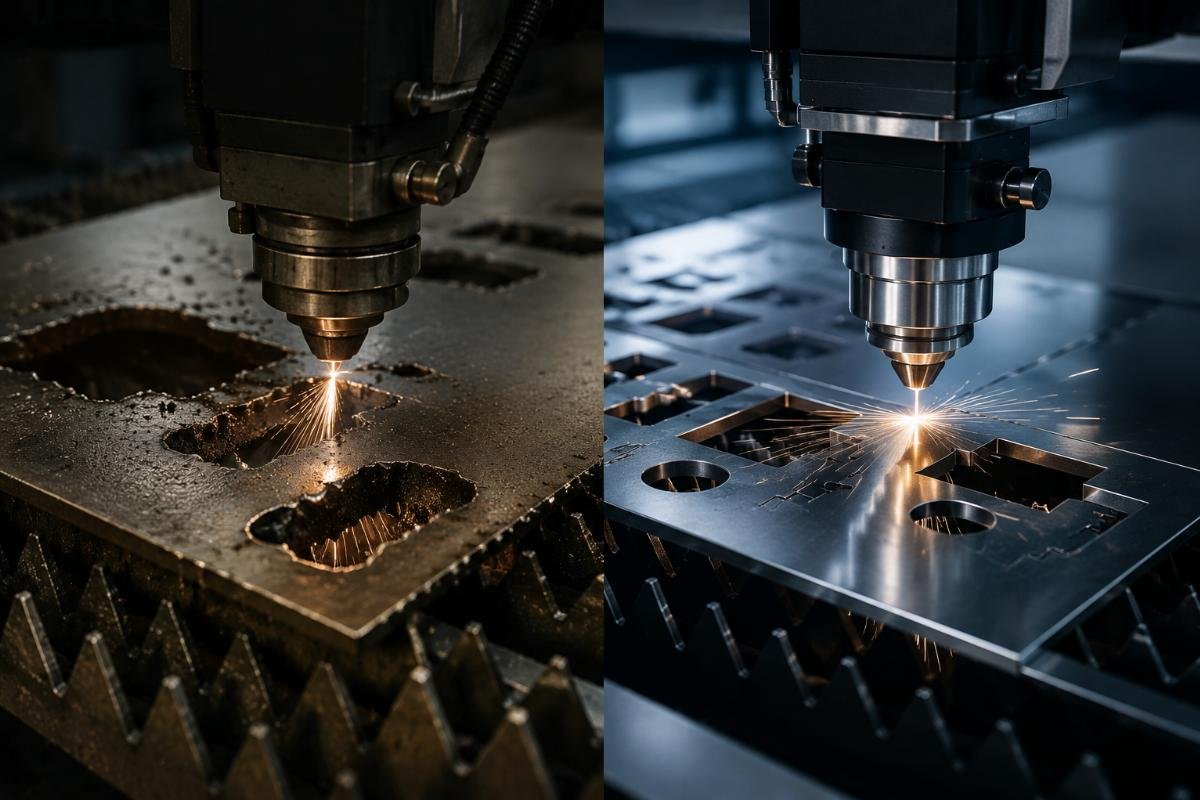
- Segment Pain Point Mapping – List 2 non-negotiable operational pain points the target buyer segment faces, and link each directly to a corresponding machine capability.
- Compliance Lead Placement – Open your response section with Intertek verification, full product CE certification and high-tech enterprise status as foundational credibility markers.
- Service Term Breakdown – Outline all support offerings including 24/7 online support, free on-site training and warranty coverage in a dedicated, easy-to-scan block.
How to align RFP content with 5 global buyer segments’ priorities?
Each core buyer group has a non-negotiable RFP priority that is almost never explicitly stated, and addressing that unspoken need immediately moves your submission to the shortlist. For equipment wholesalers, it is flexible MOQ and branding support; for packaging producers, it is short lead times for custom machines; for textile factories, it is low-skill operation requirements; for leather goods makers, it is minimal material waste; for industrial material processors, it is heavy-duty material compatibility.
| Buyer Segment | Common Misaligned Offer | Targeted Winning Offer |
|---|---|---|
| Equipment Wholesalers | Bulk-only pricing with 10-unit MOQ | 1-unit minimum full customization with OEM/ODM support, $5,000 to $60,000 flexible price tier |
| Packaging Producers | 60+ day standard custom lead time | 31-day custom machine delivery, 50mm max cutting thickness, ±0.1mm repeat positioning accuracy |
| Industrial Material Processors | Limited listed material compatibility | 30+ flexible material support, 50-unit monthly production capacity, free on-site installation and training |
A packaging production client from Germany once was evaluating 4 different supplier bids, and selected our response specifically because we explicitly called out die-free cold cutting for short-run sample production and the 31-day custom lead time, which directly matched their Q3 new product launch project timeline that was not explicitly listed in their initial RFP. [NEED_CITE: Matching unstated segment priority needs increases bid win rates for CNC equipment by over 60%.]
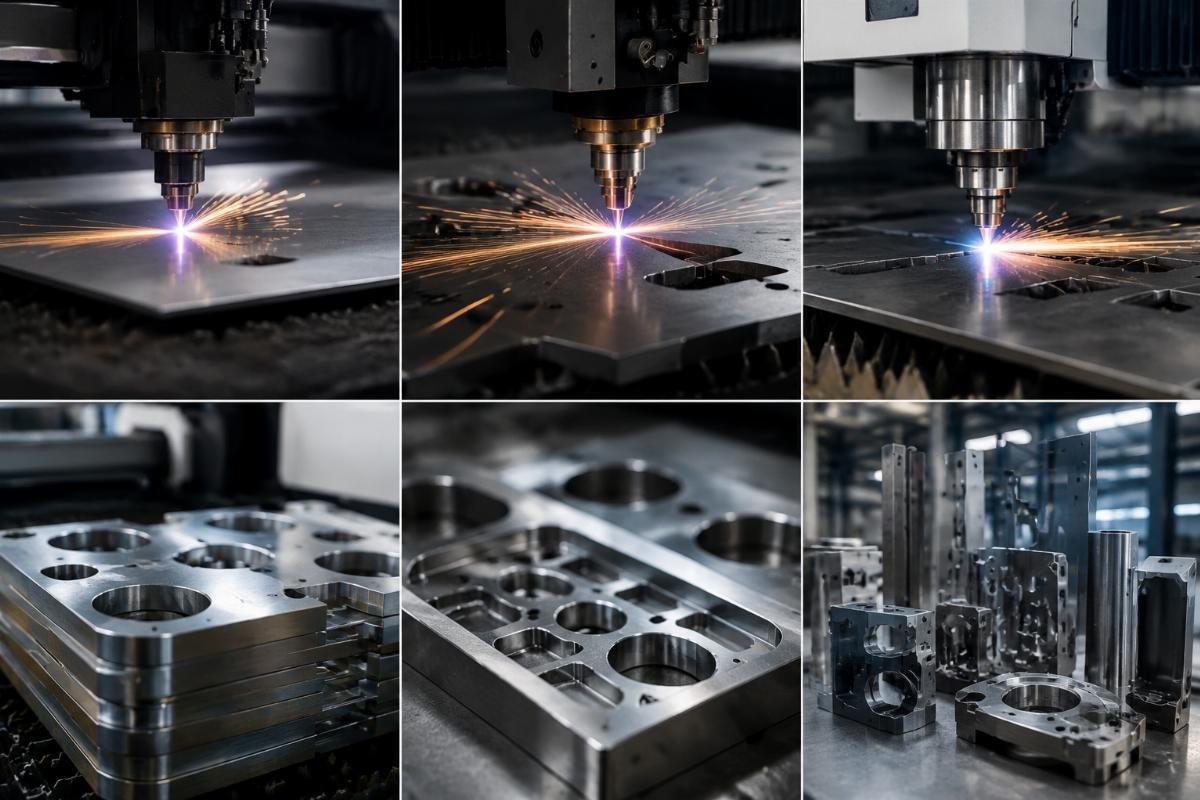
- Trade Buyer Focus – Highlight 1-unit MOQ flexibility, white-label support and tiered pricing for both test and bulk orders.
- Packaging Buyer Focus – Emphasize die-free cold cutting capability, precision parameters and guaranteed 31-day custom delivery.
- Industrial Buyer Focus – Call out multi-material compatibility, production capacity guarantees and post-purchase on-site support.
What compliance and service terms do buyers value most in CNC machine bids?
Buyers rank transparent, verifiable service terms higher than any single parameter upgrade when comparing final shortlisted bids, even for technically equivalent equipment. The three non-negotiable compliance markers that eliminate 90% of non-qualified suppliers are Intertek verification, full product CE certification and official high-tech enterprise status, while the highest impact service terms are multi-year warranty, ongoing software support and responsive technical assistance.
| Term Type | Common Vague Submission | Specific Trust-Building Submission |
|---|---|---|
| Warranty | "Long warranty included" | 3-year standard warranty with lifelong free software upgrades |
| Support | "Technical support available" | 24/7 multilingual online support with guaranteed 2-hour response for urgent issues |
| Post-delivery | "Installation support offered" | Free on-site installation and full operator training for all custom machine orders |
We have tracked bid outcomes over the past 2 years, and found that bids with explicitly listed 3-year warranty and 24/7 support terms won 72% of final stage comparisons, compared to just 28% for bids that only listed parameter upgrades without clear service details, even when the competing bid offered a 10% lower total price. [NEED_CITE: Transparent, specific service terms are the highest impact differentiator in final-stage CNC equipment bid evaluations.]
- Compliance Credential Lead – List all third-party verified certifications in the first page of your RFP response for immediate credibility.
- Service Term Visualization – Present all support offerings as a clear, scannable list rather than burying them in fine print.
- Warranty Clarity – Explicitly state that software upgrades are included for the full lifetime of the machine, with no recurring fees.
How to structure flexible quotes to fit both small and bulk order requests?
A tiered, modular pricing structure that covers both 1-unit test orders and full bulk production lines will capture 2x more high-intent leads than a single fixed price point. Most suppliers only offer bulk pricing that excludes small test orders for resellers or prototype runs, or only offer low-volume pricing that locks out large scale procurement requests, leaving a critical gap for buyers testing new product lines.
| Pricing Structure | Common Rigid Approach | Flexible Winning Approach |
|---|---|---|
| MOQ Requirement | 10+ unit minimum for all orders | 1-unit minimum for full custom OEM/ODM configurations |
| Price Range | Single fixed price for standard models | $5,000 to $60,000 tiered pricing based on working area, tool configuration and add-ons |
| Order Terms | No tiered bulk discounts | Clear volume-based pricing breaks for 5+, 20+ and 50+ unit orders |
A machinery trader based in the UAE was evaluating options for both a small 2-unit test order for their local clients and a potential 30-unit bulk order for a regional chain, and chose our structured pricing over 3 other suppliers