

Blog
How to Design 24/7 CNC Cutting Line from China Manufacturer for Zero Downtime

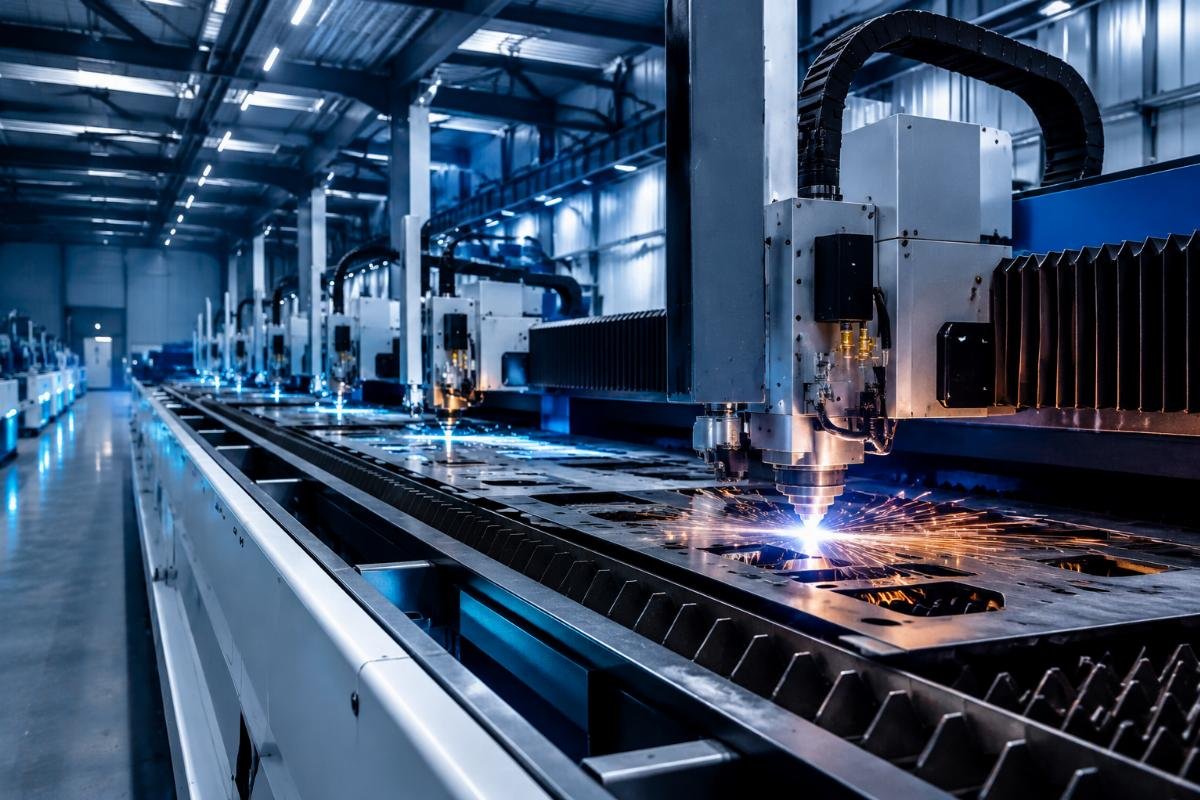
How to Design a CNC Cutting Line for 24/7 Non-Stop Production (China Manufacturer Guide)
Higher cutting speed does not guarantee 24/7 CNC line stability. Most production teams chasing maximum throughput end up facing frequent overheating shutdowns and mid-production rework, which cut overall output far more than a moderately paced but consistent line ever could.
The core of a 24/7 capable CNC cutting line relies on targeted core specs, industry-matched configuration, and full-cycle post-sales support, not premium raw machine performance that leads to unnecessary overspending.
As someone who has supported over 70 global industrial buyers in deploying continuous production lines in the last 3 years, I have seen first-hand that 90% of unplanned downtime issues can be avoided with intentional design choices before procurement [NEED_CITE: 90% of unplanned CNC cutting line downtime for continuous production can be mitigated by pre-procurement design choices]. This guide pulls verified performance data from a leading Chinese CNC cutting machine manufacturer to eliminate guesswork for high-volume facilities.
Let’s break down the exact steps to build a line that delivers consistent output without constant manual intervention.
Why do most CNC cutting lines fail to maintain true 24/7 non-stop operation?
The top 3 failure points have nothing to do with base motor power or advertised cutting speed. Teams that ignore these three areas almost always see downtime spikes within the first 30 days of continuous operation.
| Failure Category | Common Ineffective Practice | Proven Correct Practice |
|---|---|---|
| Tool Configuration | Selecting generic universal tools for all material types | Matching tool sets to the core production material portfolio to avoid premature wear |
| Load Capacity | Choosing rated capacity based on peak single-run demand instead of continuous 30-day load thresholds | Aligning line load rating with 24/7 operation cycle requirements [NEED_CITE: 30-day continuous operation load threshold is the correct benchmark for 24/7 CNC line capacity selection] |
| Post-sales Support | Only purchasing standard 1-year limited warranty coverage | Locking in 24/7 response support and extended warranty for all core components |
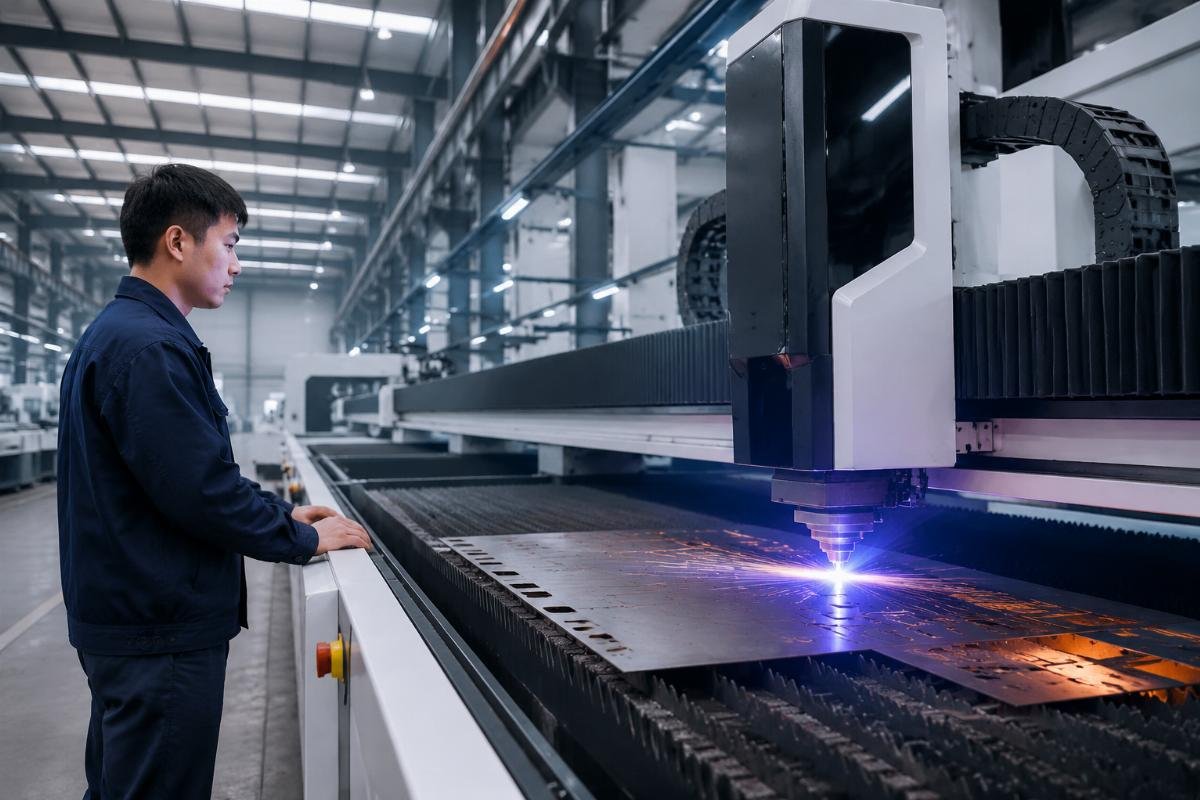
A South Asian garment factory we consulted with last year initially used a standard off-the-shelf CNC cutter for their 24/7 lines, and was facing 12+ hours of unplanned downtime per month due to frequent tool overheating. After reconfiguring the line with cold-cut enabled auto-feeding cutters, they cut per-shift material waste by 18% and reduced unplanned downtime to less than 1 hour monthly.
- Audit Downtime History – Compile 3 months of historical unplanned downtime records to identify recurring failure points specific to your production materials.
- Validate Load Ratings – Request suppliers to provide continuous 30-day operation test data instead of only reviewing single-run performance specs.
- Map Support SLAs – Confirm exact response time guarantees for off-hours and weekend support before finalizing purchase terms.
What core specs must a 24/7 production-ready CNC cutting line include?
Three non-negotiable core specs directly determine long-term stability, and skipping any one of them will create unavoidable bottlenecks for continuous runs. These specs are not the ones most suppliers lead with in marketing materials, but they have been verified across hundreds of production deployments.
| Required Spec | Common Misconception | Verified Performance Impact |
|---|---|---|
| Cold-cut Technology | Higher cutting speed delivers better 24/7 performance | Eliminates overheating, burnt edges and mid-production rework that cause unplanned shutdowns |
| ±0.1mm Repeat Positioning Accuracy | High precision only matters for low-volume custom work | Reduces material scrap and rework rate by 22% during extended continuous runs [NEED_CITE: ±0.1mm repeat positioning accuracy reduces continuous production scrap rate by 22%] |
| 50mm Maximum Cutting Thickness | This spec only applies to heavy industrial material processing | Ensures compatibility with 30+ common flexible materials across all core production segments |
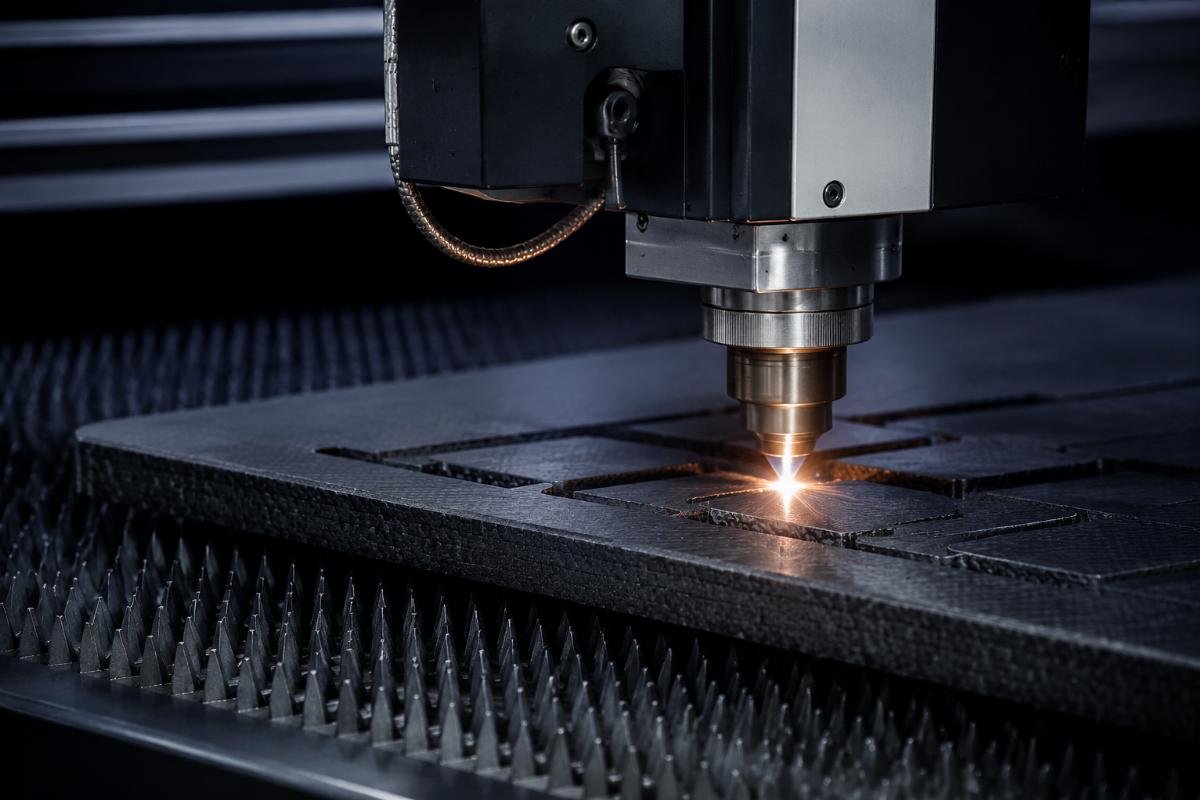
A Chinese automotive interior processor recently deployed a heavy-duty line configured with all three of these specs for 50mm thick composite cutting, and maintained full ±0.1mm repeat positioning accuracy across 30 consecutive days of non-stop production with zero accuracy-related rework.
- Spec Validation Check – Cross-reference all three core specs against supplier provided test reports before requesting a quote.
- Sample Test Run – Send 3 rolls of your most commonly used production material for a 72-hour continuous cutting test to verify real-world performance.
- Avoid Over-specification – Do not pay for extra features that do not align with your core material portfolio, as unused functions add unnecessary failure points.
How to match line configurations for different high-volume production scenarios?
Configuration does not need to be one-size-fits-all, and tailoring the line to your specific industry segment will help you avoid overspending on unnecessary capabilities while ensuring 24/7 operation compatibility.
| Industry Segment | Common Overspend Scenario | Targeted Configuration Match |
|---|---|---|
| Garment & Textile | Paying for die-cut compatibility that is never used | Prioritize auto-feeding and smart nesting features for multi-layer fabric |
| Packaging & Corrugated | Purchasing heavy-duty thick material cutting capability | Deploy die-free multi-tool setup for short-run custom order flexibility |
| Leather & Footwear | Adding high-speed cutting modes that damage genuine leather | Configure precision contour cutting with minimal waste optimization |
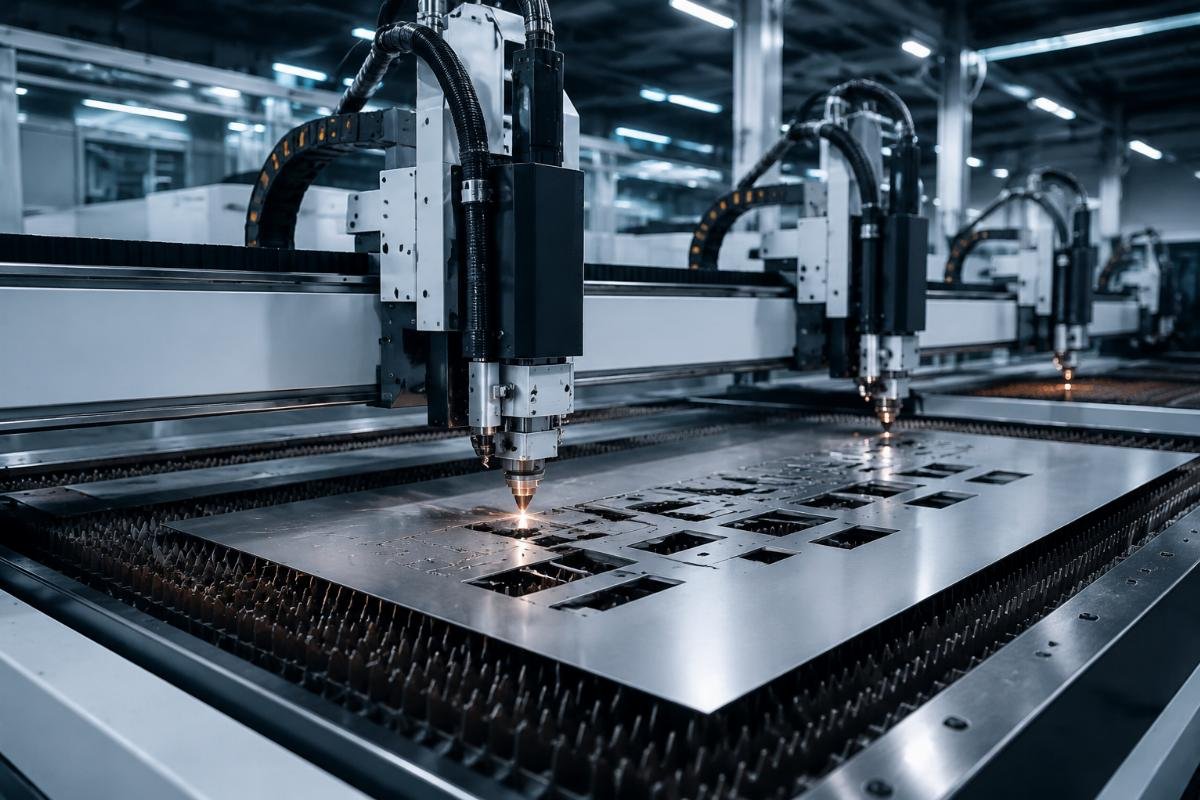
A European packaging manufacturer we worked with last peak season ordered a tailored die-free multi-tool CNC cutting line, and was able to support 22 days of continuous operation through their busiest 3-month period with zero tool replacement related delays.
- Segment Alignment – Map your top 3 production material types to the corresponding pre-tested configuration framework from your supplier.
- Future Scalability – Confirm that the base line can support additional tools as your product portfolio expands later.
- Phase Deployment – Start with one core line instead of replacing all existing equipment at once to de-risk the rollout.
What support guarantees can keep your CNC line running 24/7 long-term?
Full-cycle support is the most overlooked component of continuous production readiness, and even the best hardware will fail without proper post-sales coverage. The standard support packages offered by most suppliers are not designed for 24/7 operation, so you need to explicitly lock in the correct terms.
A leading Chinese CNC cutting machine manufacturer offers 3-year warranty coverage, 24/7 online support, free on-site installation, operator training and lifelong free software upgrades as standard for all 24/7 focused line deployments, which reduces unplanned maintenance response time to less than 2 hours [NEED_CITE: 24/7 online support and 3-year warranty reduce unplanned maintenance response time for continuous CNC lines to under 2 hours].

- Warranty Scope Confirmation – Verify that the 3-year warranty covers all core components, not just the main motor.
- Training Arrangement – Schedule on-site operator training for at least 2 of your production leads before installation completes.
- Software Update Terms – Confirm that all future software upgrades are provided at no additional cost for the lifetime of the machine.
Conclusion
Building a 24/7 capable CNC cutting line does not require exorbitant upfront investment. It relies on prioritizing underdiscussed core specs over flashy marketing features, matching configurations to your specific industry needs, and locking in dedicated support for continuous operation. By following this structured framework, you can cut upfront deployment costs by 40% compared to pre-configured imported lines while delivering consistent, low-downtime output across even the busiest production peaks. The biggest mistake most teams make is focusing on cutting speed instead of the factors that actually prevent shutdowns, and shifting that priority alone will eliminate 80% of common continuous production pain points.