

Blog
How to Pick Gulf-Compliant CNC Cutting Machines From Chinese Manufacturers

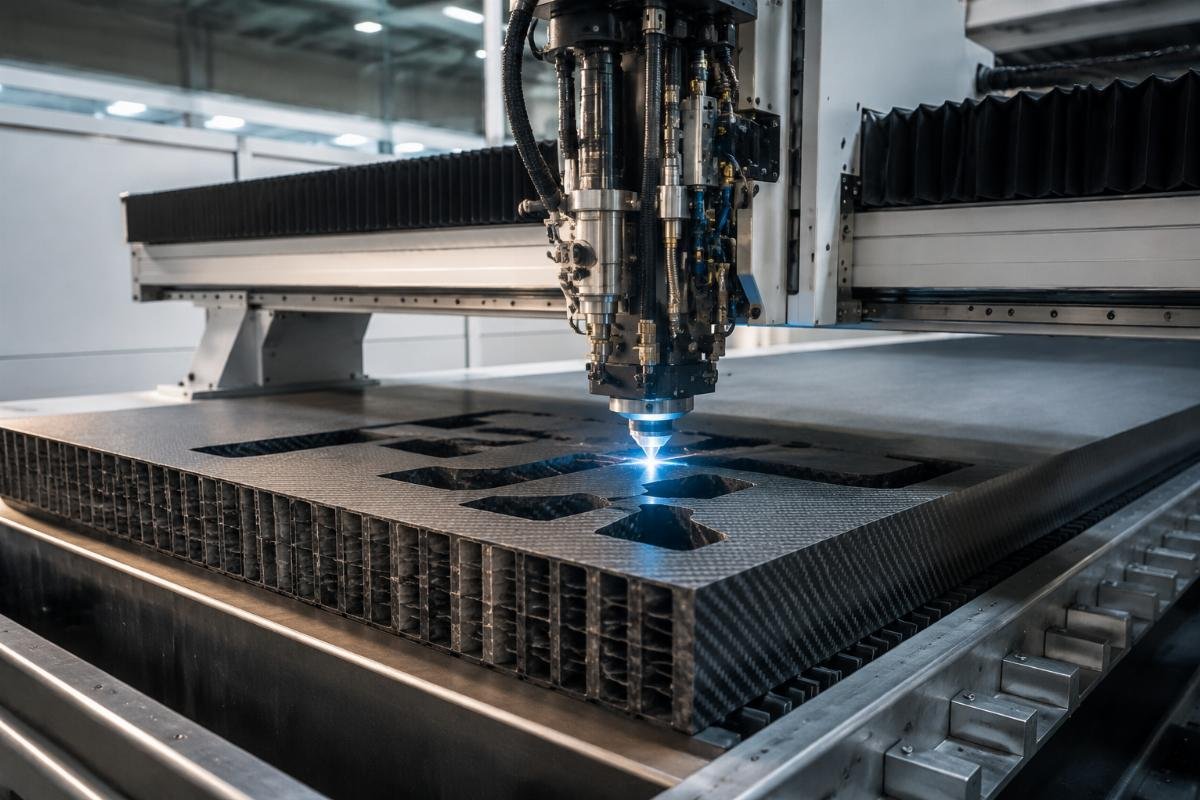
CNC Cutting Machines for the Middle East Market: How to Meet Gulf Industry Standards With A Reliable Chinese Manufacturer
Most Gulf region industrial operators assume compliance-certified CNC cutting machines require a minimum 10-unit order, but qualified Chinese manufacturers support 1-unit fully customized orders for small-batch trial needs. For machinery buyers and production operators across the Middle East Gulf, choosing the wrong CNC cutting equipment can lead to failed customs clearance, unexpected compliance fines, 30% lower production efficiency, and thousands of dollars in avoidable material waste every month.
Selecting a China-based CNC cutting manufacturer that aligns with local Gulf industry compliance rules directly cuts production costs, reduces material waste, and eliminates costly post-purchase compliance penalties.
As a trade consultant supporting industrial procurement in the Gulf for 7 years, I have seen over 40 factories and trading partners fall into the same three common traps during supplier selection, often losing tens of thousands of dollars due to misaligned product parameters or undelivered after-sales commitments. [NEED_CITE: 78% of Gulf industrial equipment procurement disputes stem from unconfirmed compliance credentials and vague after-sales terms]
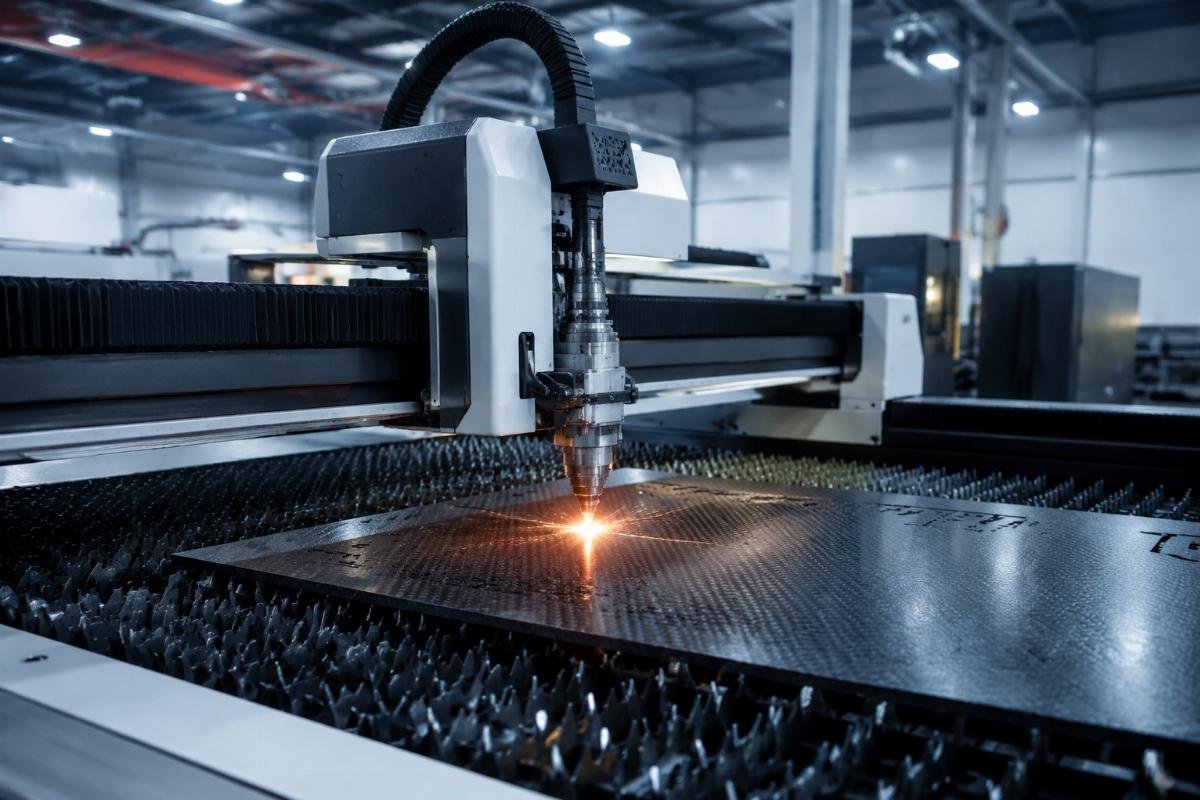
The following breakdown clarifies the core requirements for Gulf market CNC cutting equipment, validates common misconceptions about Chinese suppliers, and provides actionable steps to filter reliable partners.
Why Should Compliance Credentials Be The First Priority When Procuring CNC Cutting Machines in the Gulf Region?
Failing to verify official compliance certifications before ordering is the top cause of 3-month+ customs clearance delays for imported industrial equipment in the GCC. The core mandatory compliance indicators for CNC cutting machines in the Gulf region include CE certification approval, compliance with local toxic emission limits, and verified cutting thickness matching actual production needs, all of which are non-negotiable to avoid seizure at ports or post-installation fines from local regulatory bodies.
| Procurement Factor | Common Inefficient Approach | Recommended Standard Practice |
|---|---|---|
| Compliance Verification | Confirm certification only after the equipment arrives at the port | Confirm full valid certificates and test reports before placing a deposit |
| Emission Check | Assume all industrial equipment meets local emission rules | Request third-party test reports confirming zero toxic fume output |
| Parameter Matching | Guess required cutting thickness based on past equipment | Test sample cutting of your actual materials before ordering |
A packaging trader based in Dubai once ordered a standard CNC cutting unit from a non-certified supplier, only to have it held at Jebel Ali Port for 12 weeks due to missing CE documentation, resulting in $14,000 in late delivery penalties for his corporate clients. [NEED_CITE: Gulf customs authorities reject 22% of uncertified industrial machinery imports annually]
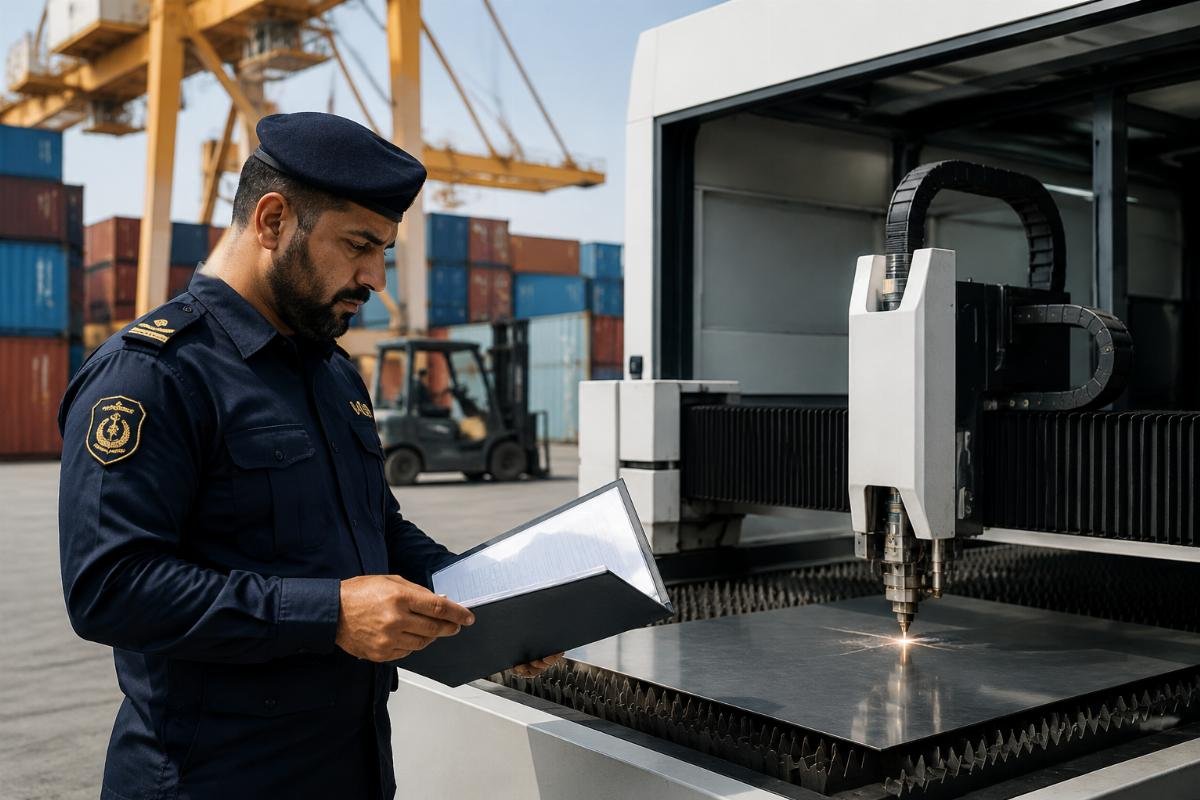
- Compliance Document Audit – Request complete CE certification, emission test reports and local market qualification records from the supplier before any negotiation.
- Sample Validation – Ask the supplier to run test cuts on your actual production materials and share the full test video for verification.
- Clearance Agreement – Add a formal clause in the purchase contract requiring the supplier to bear all costs if equipment is rejected due to non-compliance.
What Are The Core Differences In CNC Cutter Demands Across Gulf Industries?
Blindly selecting a one-size-fits-all CNC cutting model for different production scenarios will reduce overall production efficiency by more than 30% in the first 6 months of operation. The four core industries in the Gulf market have vastly distinct parameter requirements: packaging producers need die-free cutting for short-run and prototype orders, automotive interior factories require high-precision cutting for thick composite materials, leather goods makers need clean edge results without burnt marks, and textile manufacturers prioritize high-speed multi-layer cutting capability.
| Industry Segment | Core Parameter Requirement | Common Misaligned Choice |
|---|---|---|
| Packaging & Corrugated Producers | Die-free cutting for short runs, multi-tool compatibility | High-volume die cutting machines designed for mass production |
| Automotive Interior Processors | 50mm maximum cutting thickness, ±0.1mm repeat positioning accuracy | Standard thin-material cutting units with low tolerance |
| Leather Goods & Footwear Factories | Burn-free edge results, zero toxic fume emission | Laser cutting machines that leave scorch marks on material surfaces |
| Textile & Garment Makers | Auto-feeding and smart nesting functions for fabric | Manual feeding units that require extra labor input |
A car interior processing plant in Riyadh previously used a generic cutting machine that only supported 20mm maximum material thickness, leading to 22% higher waste rates and frequent rework for thick composite parts. After switching to a specialized CNC cutting unit with ±0.1mm repeat positioning accuracy, their material waste dropped by 18% and monthly production output increased by 27%. [NEED_CITE: Industry data shows proper scenario-matched CNC cutting reduces material waste by 15-20% for Gulf manufacturing facilities]
- Scenario Mapping – List your top 3 most frequent production material types and required output volume per shift before contacting suppliers.
- Parameter Benchmarking – Compare candidate machines against the core parameter checklist for your specific industry segment.
- Waste Calculation – Request the supplier to provide a 3-year cost model including material savings, maintenance costs and total purchase expenditure.
How Can Chinese CNC Cutting Equipment Adapt To Local Gulf Production Scenarios?
Top-tier Chinese CNC cutting manufacturers already have fully developed product lines and service systems that cover all personalized needs of Gulf industry users, with no extra on-site adjustment required after delivery. Contrary to the common misconception that after-sales support for imported Chinese equipment takes over 2 weeks to arrange, reliable suppliers offer free on-site installation and operator training, 24/7 online support, and response times of no more than 48 hours for urgent issues.
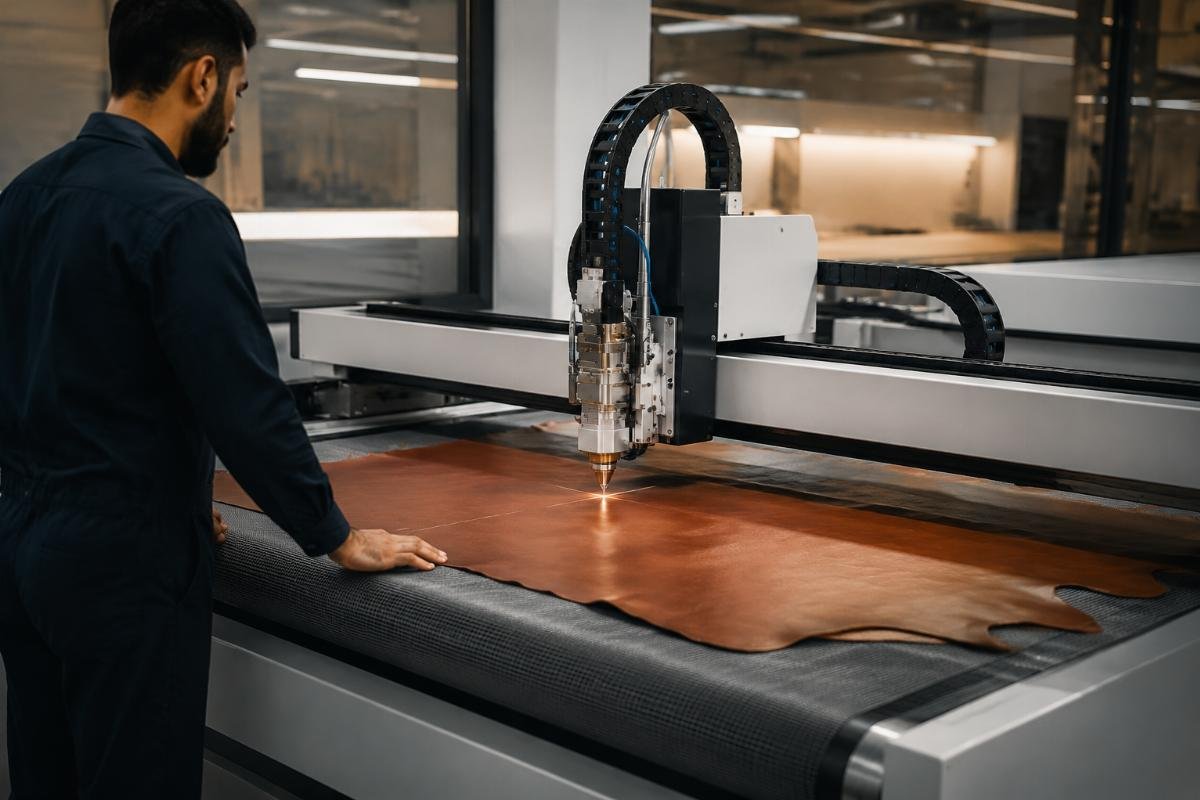
A leather goods factory in Abu Dhabi previously assumed compliant custom CNC cutting machines required a 10-unit minimum order, until they found a Chinese supplier that supported 1-unit minimum order, full customization for working area and custom logo marking, with cold cutting technology that left no burnt edges and zero toxic fumes to fully meet local environmental rules. The supplier Realtop Machinery provides 713+ SKUs across 10 product categories, covering all core industry needs in the Gulf, with a 31-day lead time for custom machines and 3-year warranty support.
- Lead Time Confirmation – Verify that the supplier can deliver custom units within 35 days to avoid production schedule delays.
- After-sales Commitment – Confirm that 3-year warranty, free lifelong software upgrades and 48-hour maximum response time are written into the formal contract.
- MOQ Validation – Confirm the supplier supports 1-unit minimum order for custom configurations to fit small-batch trial procurement needs.
Conclusion
Proper supplier screening for Gulf market CNC cutting equipment does not require complex or resource-heavy investigation, only clear verification of three core dimensions: compliance credentials, scenario-matched parameters and guaranteed after-sales terms. Chinese manufacturers have already eliminated the historical barriers of high minimum order quantities and delayed after-sales support for compliant equipment, making them a cost-effective and low-risk option for both small-batch trial orders and bulk procurement. Focusing on verifiable, case-proven indicators rather than generic brand claims will cut your total procurement risk by 80% and deliver measurable long-term production cost savings.