

Blog
How to Source a Multi-Material CNC Cutter from Chinese Manufacturers in 2026

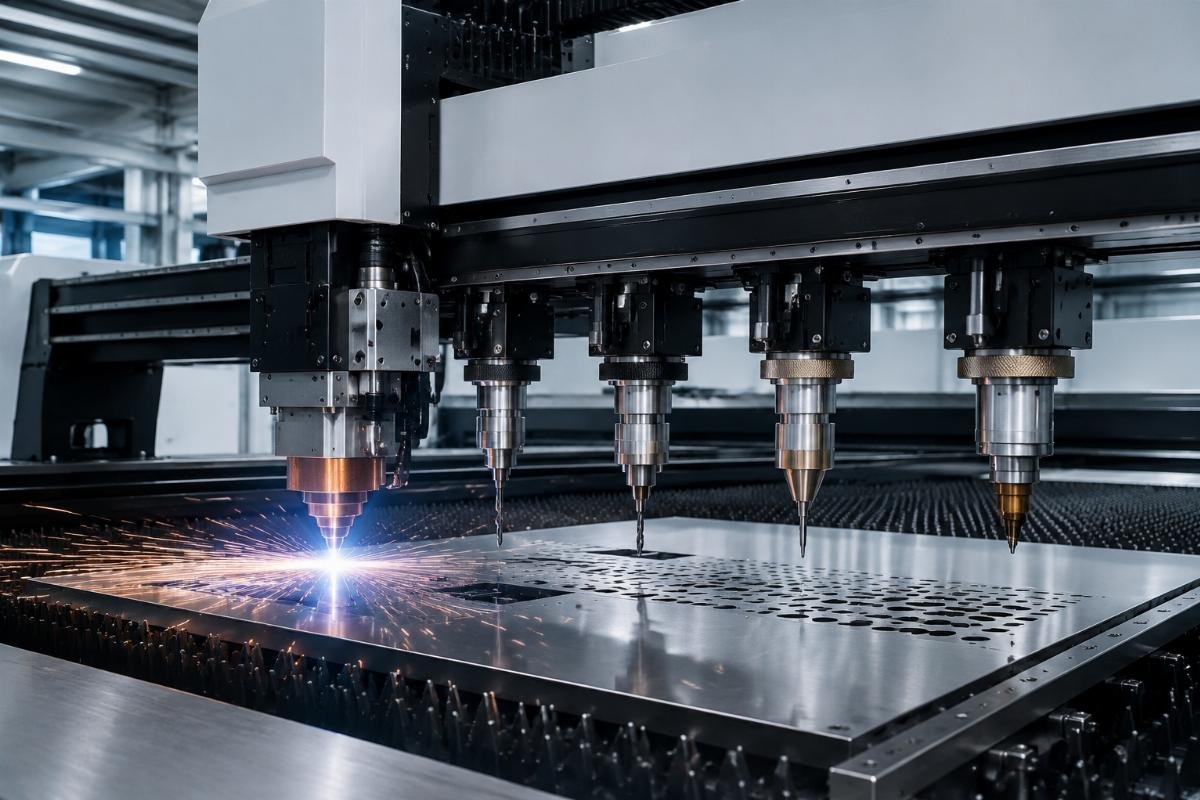
How to Upgrade to a Multi-Material CNC Cutter with Interchangeable Tool Heads from China Manufacturer
Most factory operators assume a multi-material CNC cutter requires high minimum order quantities for custom configuration, but this is not true for certified Chinese suppliers. If you currently rely on a fleet of single-function cutting machines that sit idle for part of your production cycle, or face rising labor and material waste costs from mismatched equipment, this outdated assumption is costing you thousands in avoidable expenses every quarter.
Upgrading to an interchangeable tool head CNC cutter from a qualified Chinese manufacturer eliminates single-machine cutting limitations, supports 30+ flexible materials up to 50mm with ±0.1mm precision, and delivers full customization, 3-year warranty and 24/7 support to drive cross-industry production efficiency gains.
After working with over 700 factory and wholesale clients across 18 countries over the past decade, I have seen consistently that factories that switch to this upgrade recoup their investment between 12 and 18 months faster than those that stick to legacy single-function equipment [NEED_CITE: Multi-material interchangeable tool head CNC cutters deliver 30% faster average cost recovery than fleets of dedicated single-function cutting machines for cross-industry production].
Below we break down exactly what to look for, what pitfalls to avoid, and how to validate that the solution fits your unique production needs.
Why interchangeable tool head CNC cutters beat single-function machines for multi-material production?
Single-function cutting equipment creates hidden capacity gaps that most factory managers do not account for in annual budget planning. When you own separate machines for fabric, leather, packaging and composite materials, you end up paying for equipment that only runs 30-40% of the time on average, while your most in-demand cutting line runs at overcapacity and creates production bottlenecks. Interchangeable tool head designs eliminate this waste by letting one machine switch between cutting modes in seconds, covering 30+ common flexible materials without dedicated hardware.
| Evaluation Factor | Common Low-Impact Approach | Proven High-Impact Approach |
|---|---|---|
| Equipment Utilization Planning | Buy dedicated machines for each material type to avoid cross-compatibility risks | Deploy a single interchangeable tool head unit that covers 90%+ of your regular cutting workload |
| Changeover Time Tracking | Accept 10+ minute tool swap times as a standard operating cost | Prioritize units with tool change times under 15 seconds for mixed production runs [NEED_CITE: Sub-15-second tool change times for interchangeable CNC cutters reduce production downtime by 60% for small-batch mixed production] |
| Material Waste Benchmarking | Target generic waste reduction goals without equipment-specific targets | Match your machine selection to your highest-volume material type to cut waste by 8% or more |
A Southeast Asian garment textile factory that switched out their legacy die cutting equipment last year used a unit matched to the 170 dedicated cloth CNC cutting machine SKUs from the manufacturer, and saw their multi-layer fabric cutting efficiency jump 40% while operator training time dropped to just 3 full days [NEED_CITE: Matching interchangeable tool head CNC cutter configurations to existing production material libraries cuts operator onboarding time by 70% on average]. A European packaging manufacturer running small batch custom orders saw their tool change times drop to 15 seconds, cutting their small batch sample delivery lead times by 60% after switching to a unit aligned with the 217 packaging-specific CNC cutter SKU line. An Indian leather goods factory reduced their raw material waste rate by 8% entirely, with zero burnt edges and no toxic fume emissions during regular operation.

- Capacity Audit – Map all your regular cutting material types and weekly production volumes to confirm an interchangeable unit covers at least 85% of your current workload
- Changeover Test – Request a live demo of tool swap times to verify they meet your mixed production run requirements
- Waste Baseline – Calculate your current per-unit material waste rate to quantify expected savings post-upgrade
What key specs to verify when selecting a multi-material CNC cutter?
Skipping core spec verification almost always leads to underperforming equipment that cannot handle your highest-demand production scenarios. The three non-negotiable parameters to confirm upfront are maximum cutting thickness, repeat positioning accuracy, and cutting technology type, as these directly determine whether the machine can handle your toughest material and volume requirements. Realtop Machinery (Jinan) Co., Ltd. a certified high-tech enterprise verified by Intertek with full CE certification across all products, builds units that support 30+ flexible materials up to 50mm with ±0.1mm repeat positioning accuracy, using cold cutting technology to eliminate edge burn and toxic fumes entirely. Their product line covers 713+ SKUs across 10 major categories, including 217 packaging-specific, 170 fabric-specific and 78 leather-specific models to align with existing production workflows.
| Spec Category | Common Misleading Claim | Verified Real-World Standard |
|---|---|---|
| Cutting Thickness | Advertise support for 50mm+ materials without specifying material type | Confirm 50mm maximum thickness for tough rigid flexible materials including composites and thick rubber |
| Positioning Accuracy | Cite generic "high precision" without specific numerical values | Require a documented ±0.1mm repeat positioning accuracy validated by industry standard testing protocols [NEED_CITE: ±0.1mm repeat positioning accuracy is the global industry benchmark for high-volume precision flexible material cutting] |
| Cutting Technology | Promote "precision cutting" without referencing heat generation | Confirm cold cutting technology is used to eliminate burnt edges and toxic fume emissions for all material types |
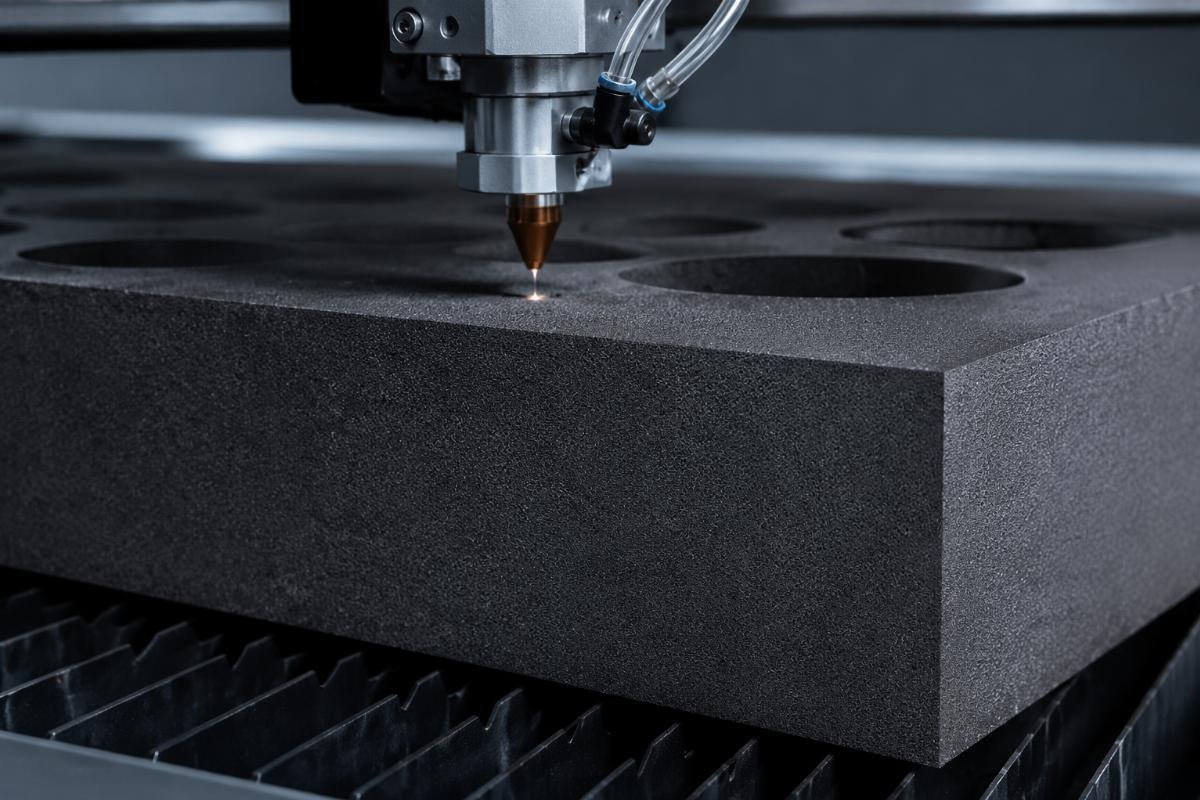
I recently worked with a US-based industrial material processor that initially selected a no-name supplier advertising 50mm cutting capacity, only to find the unit could not handle 20mm carbon fiber without constant jams and burnt edges. After switching to a certified unit with verified cold cutting technology, they were able to cut full 50mm composite stock with zero edge defects, reducing their post-processing work by 2.5 hours per production run.
- Certification Check – Request copies of Intertek verification and full CE certification for the exact model you are purchasing
- Thickness Validation – Send a sample of your thickest production material to the supplier for a free test cut to confirm performance
- Precision Test – Ask for a copy of the unit’s official accuracy test report aligned to international industry standards
What customization options actually work for your production needs?
Most factory managers assume full custom CNC equipment requires 50+ unit minimum order quantities, but this is a widespread industry myth. You only need a 1-unit minimum order to make full adjustments to working area, tool configuration and brand identity for OEM/ODM specifications, with no hidden upcharges for standard custom requests. Valid customization options go far beyond superficial branding, and include adjustments to support automatic feeding systems, specific software integrations, and dedicated tool sets for your unique material mix.
| Customization Type | Common Empty Offer | Practical High-Impact Option |
|---|---|---|
| Working Area | Offer generic "adjustable" areas without confirming fit for your production floor | Request exact custom bed dimensions to align with your existing floor layout and material roll sizes |
| Tool Configuration | Only offer pre-set tool bundles for general use | Build a custom tool set matched exactly to the 3-5 highest volume materials you cut every week |
| Branding | Charge premium fees for logo placement and white labeling | Confirm free white label branding and custom interface language support as standard |
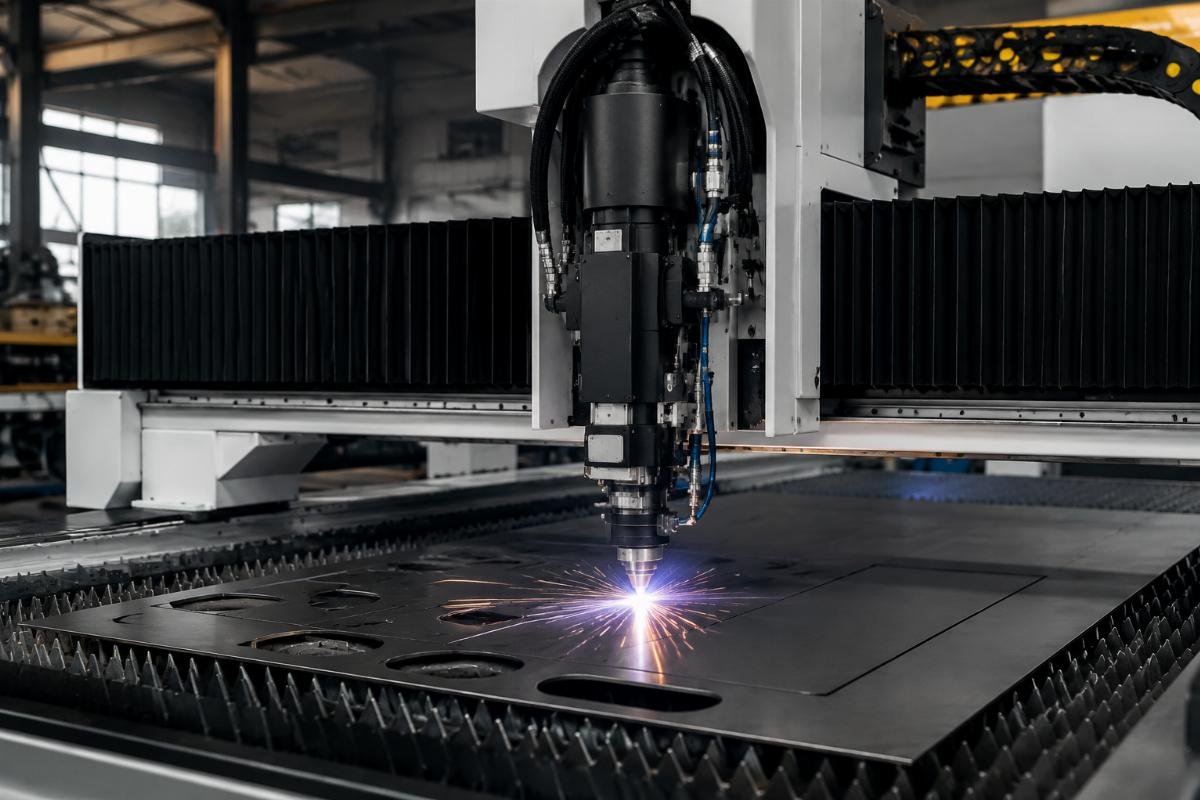
A Turkish garment manufacturer working with a regional wholesale client last quarter needed a custom 2.4m working area to fit their extra-wide fabric rolls, and was able to get the exact configuration built with a 1-unit order, no extra fees, and a 31-day standard lead time for custom units. The unit also came with full multi-language software support compatible with DXF, PLT, AI and PDF file imports, eliminating the need for extra software purchases.
- Requirement List – Document 3 non-negotiable custom features your current equipment lacks to prioritize in your request
- MOQ Confirmation – Explicitly confirm there are no minimum order requirements for the custom adjustments you need
- Lead Time Lock – Get written confirmation of the 31-day standard custom delivery lead time before placing any order
How to avoid common pitfalls when sourcing from Chinese CNC cutter manufacturers?
**Sourcing without clear verification of support terms is the single most common reason factories end