

Blog
CNC Leather Cutting Machine – Industrial Leather Cut Machine

CNC Leather Cutting Machine - Industrial Leather Cut Machine: Do You Really Need One?
You have seen advertisements for CNC leather cutting machines promising faster production and lower waste, but you are not sure if the investment makes sense for your factory. Most equipment suppliers show you speed and precision numbers without helping you understand whether your actual production situation justifies the cost. After years of handling on-site commissioning and customization for automotive interior, furniture, and footwear manufacturers, I have learned that not every leather factory needs CNC equipment.
A CNC leather cutting machine automates the cutting process using computer-controlled knife blades to cut leather materials with precision and consistency. Whether your factory benefits from this technology depends on your material variety, order pattern, and current waste rate, not just cutting speed specifications.
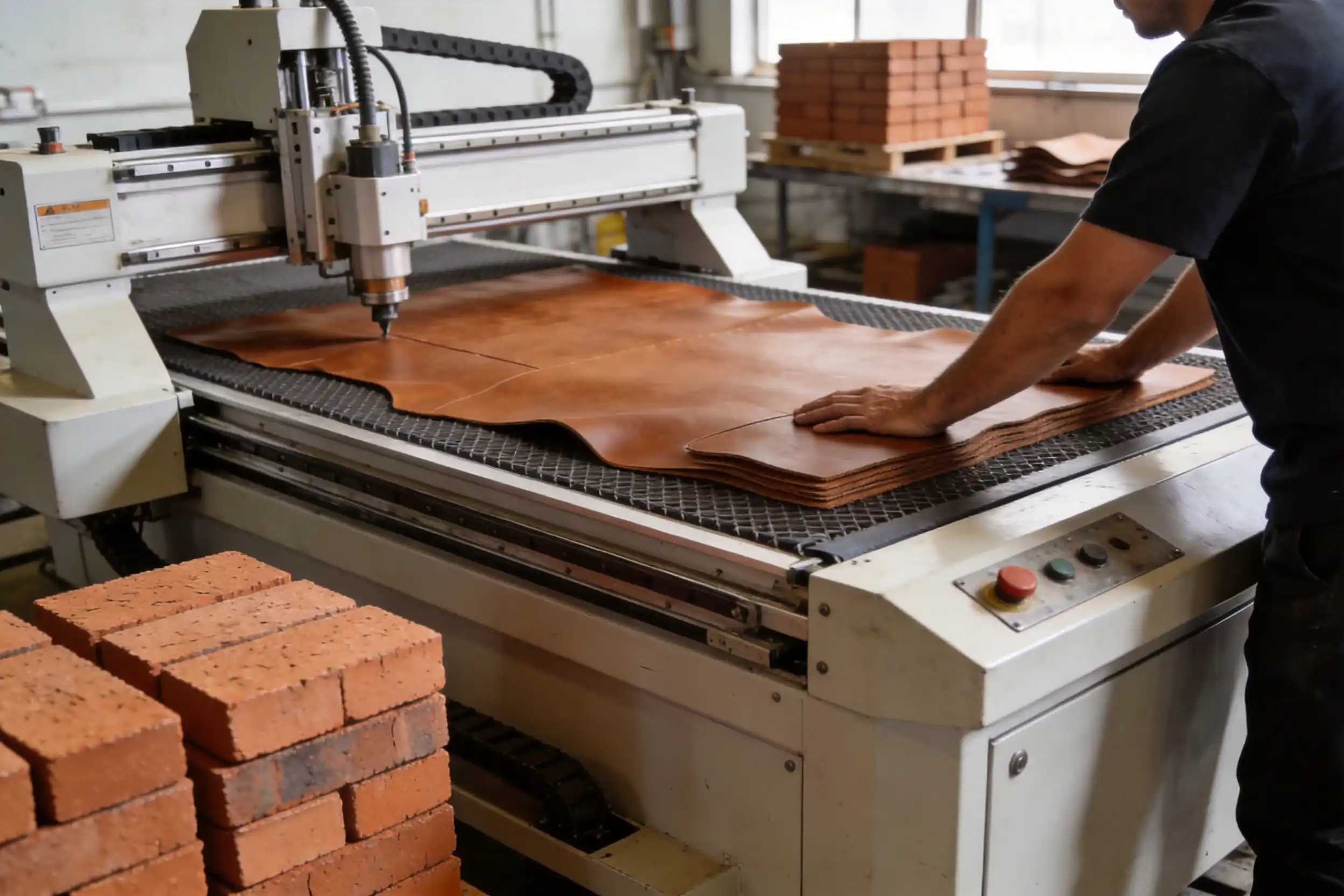
I will walk you through the specific factors that determine whether CNC investment improves your profitability or creates expensive bottlenecks. We will examine material compatibility, configuration choices, and the real cost comparison between manual and automated cutting.
What Makes CNC Knife Cutting Different from Laser Cutting for Leather?
Many buyers confuse CNC knife cutting machines with laser cutting systems because both are computer-controlled and automated. This confusion leads to wrong equipment purchases that do not solve the actual production problem. I have seen factories buy laser systems for thick leather applications only to discover burn marks and material damage, then switch to knife cutting machines at additional cost.
CNC knife cutting uses a blade to physically cut through the material without heat, making it suitable for thick leather, layered materials, and coated surfaces. Laser cutting uses focused light to vaporize the material, which works well for thin leather but leaves burned edges on thicker materials and cannot handle multiple layers effectively.
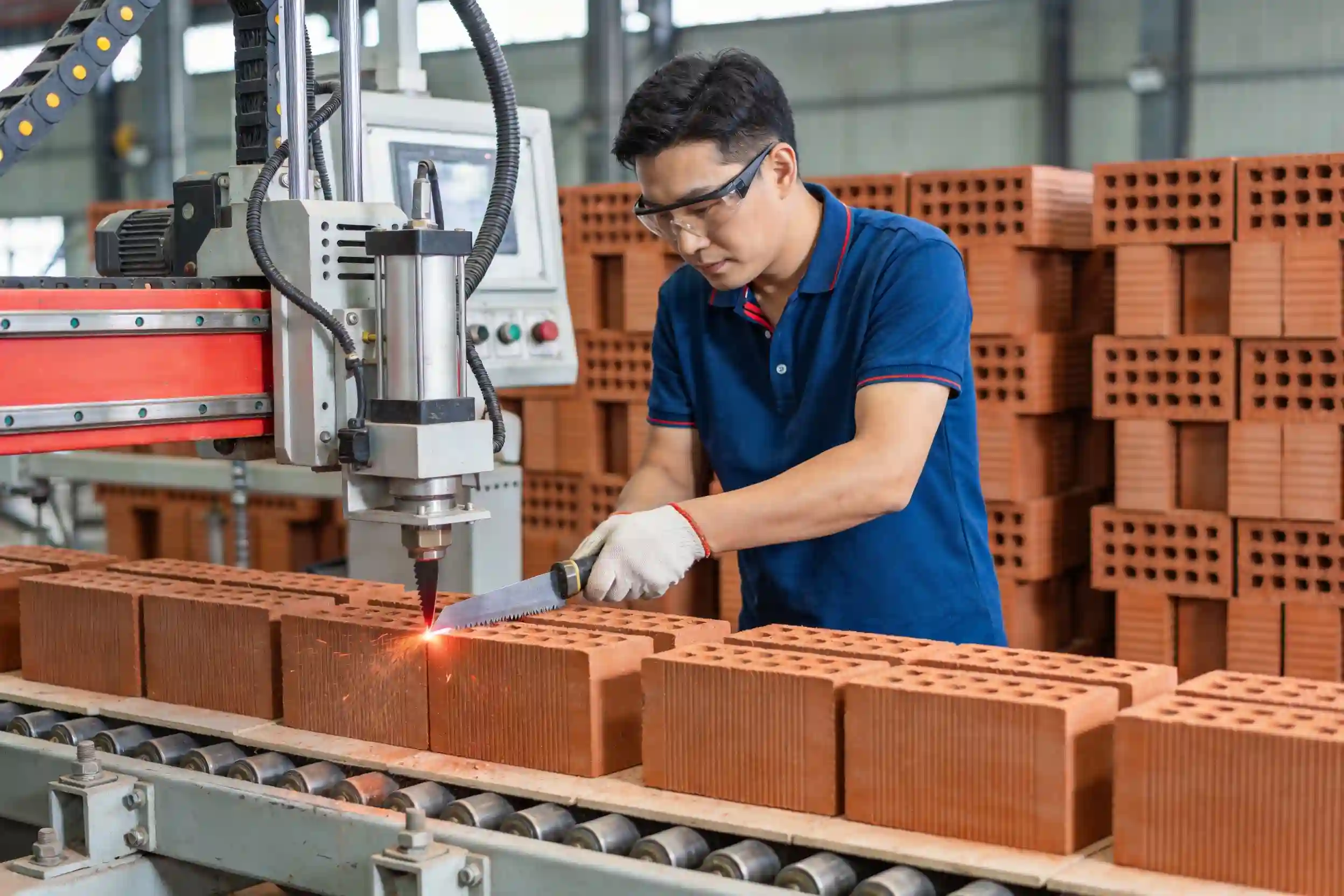
Knife cutting machines solve different problems than laser systems. When you cut thick automotive interior leather or layered composite materials, the knife blade passes through all layers without heat damage or edge discoloration. We have adjusted cutting parameters for automotive seat manufacturers who previously used laser systems and experienced quality rejection due to burned edges on leather thicker than 2mm. The knife system eliminated that problem completely.
Laser cutting works better for thin leather with intricate patterns where heat penetration remains minimal. If you process thin garment leather or decorative panels under 1mm thickness, laser might be the right choice. But if your materials include natural leather over 1.5mm thick, synthetic leather with fabric backing, or any composite structure, knife cutting handles the job without material damage.
The equipment investment also differs significantly. Laser systems require expensive maintenance on optical components and gas supplies, while knife cutting machines need regular blade replacement and worktable cleaning. Your decision should start with material type, not cutting speed or automation level.
Material Thickness and Heat Sensitivity
| Material Type | Thickness Range | Knife Cutting | Laser Cutting |
|---|---|---|---|
| Natural leather | 0.5mm - 3mm | Handles full range without damage | Burns edges above 1.5mm |
| Synthetic leather | 0.8mm - 2.5mm | Cuts cleanly through backing layers | May melt coating materials |
| Fabric-backed leather | 1mm - 4mm | Cuts all layers simultaneously | Cannot penetrate multiple layers |
| Thin garment leather | 0.3mm - 1mm | Works but may be over-powered | Ideal application |
This table shows the basic compatibility boundaries. Your actual decision requires testing with your specific materials under production conditions.
How Does Material Waste Rate Affect Your ROI More Than Cutting Speed?
Equipment suppliers show you cutting speed specifications first because higher numbers look impressive. But we have seen factories with fast cutting machines lose money because their nesting efficiency remained poor. A machine that cuts 20% faster but generates 10% more material waste creates higher costs than a slower machine with better material utilization. Speed matters, but waste control determines profitability.
Material waste rate measures the percentage of leather that becomes unusable scrap after cutting patterns. Effective nesting software arranges cutting patterns to minimize gaps between pieces, reducing waste from 20-30% with manual layout to 8-15% with optimized CNC nesting, directly improving material cost efficiency.
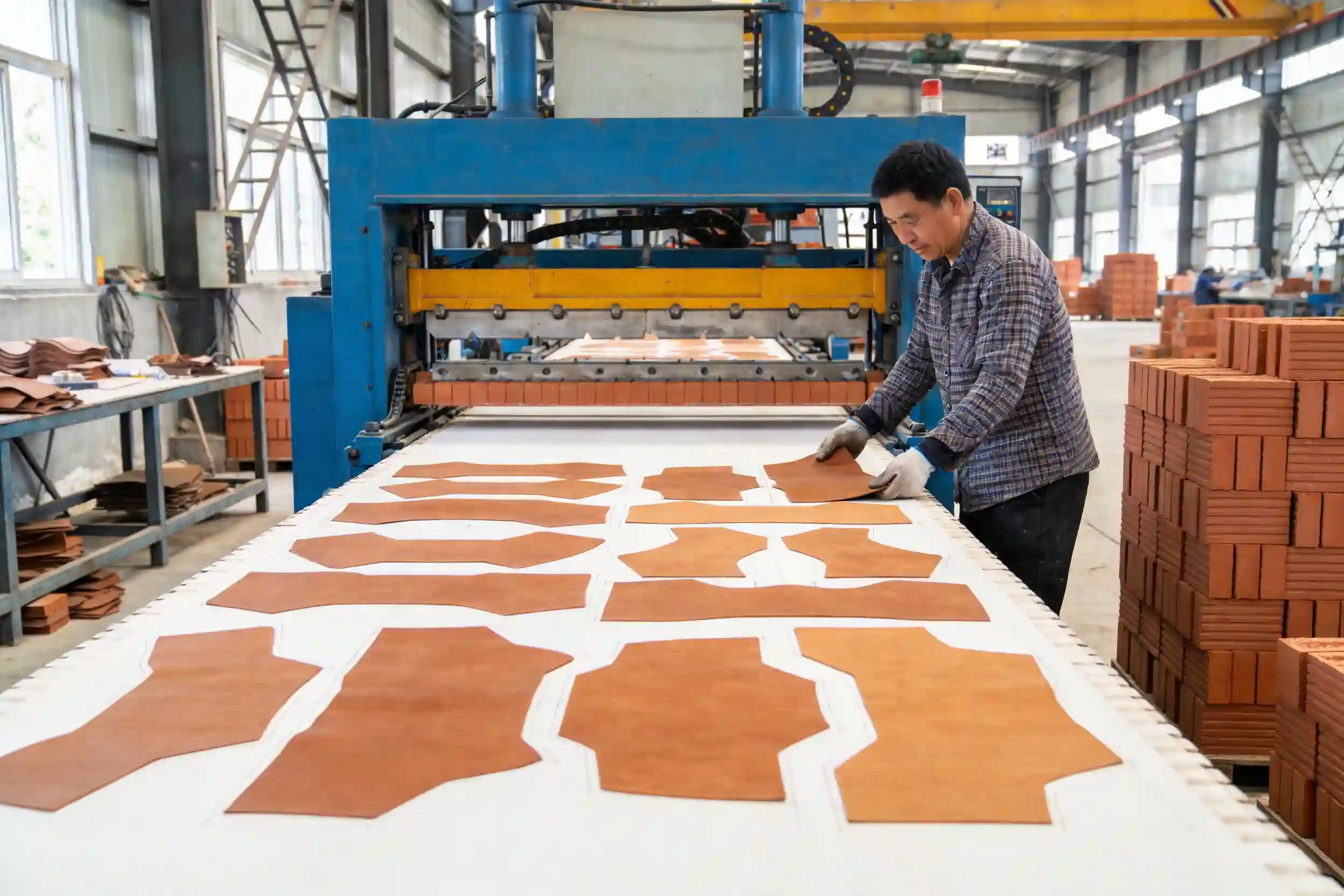
I calculated ROI for a furniture manufacturer who was comparing two machines. Machine A cut 30% faster but had basic nesting software. Machine B had slower cutting speed but included advanced nesting algorithms. For their order pattern involving irregular sofa panel shapes, Machine B reduced leather waste by 12%. With monthly leather material costs around $50,000, that 12% waste reduction saved $6,000 per month, recovering the higher equipment price difference in less than one year.
Your waste rate depends on three factors. Pattern complexity matters first. Simple rectangular cuts waste less material than irregular curves and corners. Material consistency matters second. Natural leather with scars and defects requires careful nesting to avoid damaged areas, while uniform synthetic leather allows tighter pattern placement. Batch size matters third. Large batches of identical patterns achieve better nesting efficiency than mixed small batches.
The nesting software capabilities determine how much waste reduction you actually achieve. Basic systems let you manually arrange patterns on a virtual leather hide. Advanced systems automatically calculate optimal layouts based on pattern shapes, material defects, and grain direction requirements. We recommend focusing on nesting capabilities before cutting speed when you calculate ROI.
Waste Reduction Impact on Monthly Costs
| Production Scenario | Manual Layout Waste | CNC Basic Nesting Waste | CNC Advanced Nesting Waste | Monthly Material Cost | Monthly Savings with Advanced Nesting |
|---|---|---|---|---|---|
| Simple patterns, uniform material | 15% | 10% | 8% | $30,000 | $2,100 |
| Complex patterns, natural leather | 30% | 20% | 12% | $50,000 | $9,000 |
| Mixed batch, varied patterns | 25% | 18% | 14% | $40,000 | $4,400 |
These numbers come from actual measurements at customer sites. Your results will vary based on your specific materials and patterns, but the relationship between nesting quality and profitability remains consistent.
Can One Machine Cut All Types of Leather in Your Production Mix?
Equipment sales materials often claim "suitable for all leather types" without explaining the engineering tradeoffs required to handle different materials. We have commissioned machines for factories processing both thin garment leather and thick automotive upholstery leather, and the configuration requirements differ significantly. Not all leather can be cut on one machine setup, and buyers must match blade type, cutting pressure, and worktable design to their actual material range.
Different leather materials require different cutting parameters. Natural leather needs lower cutting speed to prevent tearing, synthetic leather requires sharper blade angles to avoid delamination, and fabric-backed leather needs higher cutting pressure to penetrate all layers. A machine configured for one material type may not perform well on another without adjustment or modification.
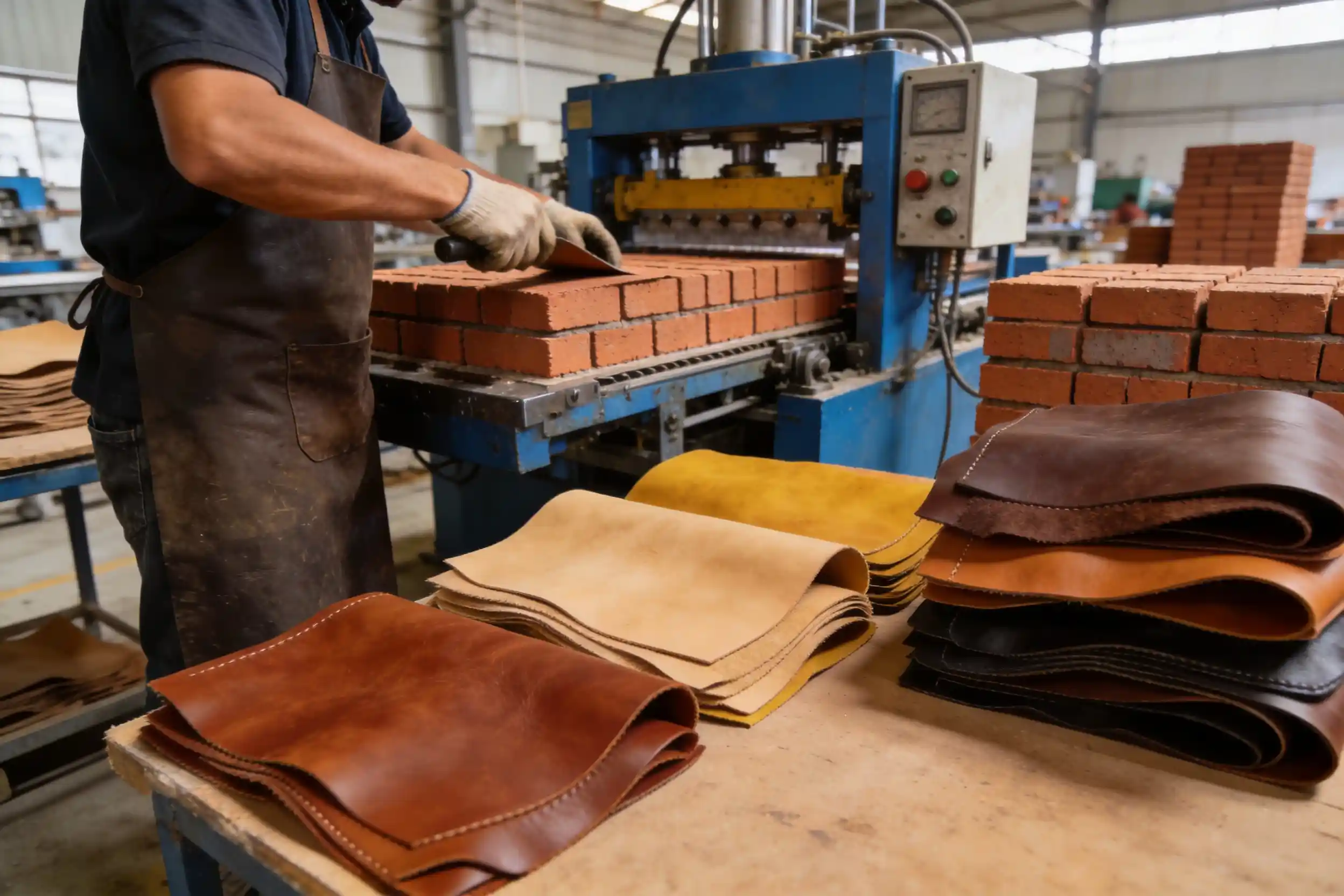
Blade selection matters first. Thin leather under 1mm requires a sharp blade with a 30-45 degree angle to make clean cuts without material distortion. Thick leather over 2mm needs a stronger blade with a 45-60 degree angle to maintain cutting edge integrity through multiple layers. We adjusted blade specifications for a footwear manufacturer who originally specified one blade type for their entire material range, then experienced frequent blade breakage on their thicker materials.
Cutting pressure adjustment matters second. The machine control system must allow precise pressure settings because too much pressure damages the worktable and too little pressure creates incomplete cuts. Natural leather with varying thickness across one hide requires dynamic pressure adjustment based on the material thickness sensor feedback. Synthetic leather with uniform thickness allows fixed pressure settings.
Worktable design matters third. Vacuum hold-down systems work well for flat, consistent materials but may not hold irregular natural leather hides effectively. Brush worktables allow the blade to penetrate the material without damaging the table surface, but they require regular cleaning and maintenance. Some factories need both worktable types depending on their material mix.
Material-Specific Configuration Requirements
| Material Type | Blade Angle | Cutting Pressure | Worktable Type | Speed Adjustment |
|---|---|---|---|---|
| Thin garment leather | 30-45° | Low-medium | Vacuum or brush | Medium-high speed |
| Medium natural leather | 45° | Medium | Brush preferred | Medium speed, variable |
| Thick automotive leather | 45-60° | Medium-high | Brush required | Lower speed |
| Synthetic/PU leather | 45° | Medium | Vacuum works well | Medium speed |
| Fabric-backed composite | 50-60° | High | Brush required | Lower speed |
These specifications provide starting points. Your actual requirements need testing with your specific materials under production conditions. Machines with broader adjustment ranges handle more material variety but cost more than specialized systems.
Does Your Order Pattern Justify Automated Feeding or Quick Tool Changes?
Configuration decisions should match your actual order pattern, not generic automation capabilities. I have seen factories invest in automated material feeding systems that sit unused because their order structure involves small batches with frequent pattern changes. Other factories waste labor time on manual feeding when their high-volume repeat orders would benefit from automation. Order pattern determines which configuration features improve efficiency versus which features add cost without benefit.
Factories running large batches of identical patterns benefit from automated roll feeding systems that eliminate manual material loading time. Factories producing small custom batches need fast CAD file import and quick blade changing capability to minimize setup time between orders. Mismatched configuration creates bottlenecks instead of efficiency gains.
Automated feeding makes sense when you run continuous production of the same pattern for hours or days. A furniture manufacturer cutting hundreds of identical sofa panels benefits from roll feeding that automatically positions material without operator intervention. We calculated that automated feeding reduced their labor requirement by 40% for high-volume orders, recovering the additional equipment cost in approximately 18 months.
Quick pattern changeover capability matters more for custom order operations. A leather goods factory producing varied bag designs in small batches needs fast CAD file loading, rapid blade swapping, and minimal machine recalibration between jobs. Their bottleneck was setup time, not cutting speed. We configured their machine with quick-change blade holders and streamlined software workflow, reducing changeover time from 45 minutes to 12 minutes.
The decision framework requires analyzing your actual order mix. Calculate the percentage of production time spent on repeat patterns versus custom patterns. If repeat patterns represent more than 60% of your cutting time, automated feeding likely improves efficiency. If custom patterns dominate your order book, invest in changeover speed instead of feeding automation.
Order Pattern Configuration Match
| Order Pattern | Batch Size | Pattern Variety | Recommended Configuration | Primary Benefit |
|---|---|---|---|---|
| High-volume repeat | 500+ pieces | Low, 5-10 patterns | Automated roll feeding, basic CAD import | Labor reduction, continuous operation |
| Medium-volume mixed | 100-500 pieces | Medium, 10-30 patterns | Semi-automated feeding, fast CAD workflow | Balanced efficiency, moderate flexibility |
| Low-volume custom | 10-100 pieces | High, 30+ patterns | Manual feeding, quick tool change, advanced CAD | Minimum setup time, maximum flexibility |
| Sample/prototype | 1-10 pieces | Very high, 50+ patterns | Manual feeding, comprehensive CAD capabilities | Fast design iteration, pattern testing |
This framework helps you identify configuration priorities based on your actual production reality. Your order pattern may not fit cleanly into one category, requiring hybrid configuration with emphasis on your most common order type.
What Production Problems Does CNC Investment Actually Solve?
Equipment suppliers focus on technological capabilities instead of production problems. But your purchase decision should start with identifying which specific bottlenecks or quality issues exist in your current operation. CNC investment makes financial sense when it solves a production problem that costs more than the equipment investment. Not all factories have problems that CNC equipment can solve.
CNC leather cutting machines solve three specific production problems: inconsistent cutting quality from manual operators, high material waste from poor pattern nesting, and labor shortage or high turnover in skilled cutting positions. If your factory does not face these problems significantly, traditional cutting methods may remain adequate.
Cutting quality consistency matters when customer rejection rates create financial loss. We worked with an automotive interior supplier who faced 8% rejection rate due to inconsistent edge quality and dimension accuracy from manual cutting. The CNC system reduced rejection to under 2%, saving approximately $15,000 monthly in rework and scrap costs. For them, quality consistency justified investment.
Material waste control matters when your material costs represent significant production expense. A furniture manufacturer calculated that reducing leather waste from 25% to 12% through optimized nesting saved more money than labor reduction from automation. Their ROI calculation focused entirely on waste reduction, not cutting speed.
Labor problems matter when you cannot find or retain skilled cutting operators. Some regions face severe labor shortages in manufacturing positions. A footwear factory in an area with low unemployment could not hire experienced cutting staff. CNC automation solved their workforce problem, not their efficiency problem. Without the labor constraint, they might not have needed the investment.
Problem-Solution Match Analysis
| Production Problem | Current Cost Impact | CNC Solution Capability | Alternative Solutions | Decision Factors |
|---|---|---|---|---|
| Inconsistent quality | Rejection rates 5-10% | High - eliminates operator variation | Better training, quality checking | Compare rejection costs vs equipment cost |
| High material waste | Waste rates above 20% | High - optimized nesting reduces waste | Better manual layout, skilled nesting staff | Compare waste costs vs equipment and software cost |
| Labor shortage | Cannot hire skilled operators | Medium - reduces skill requirements | Wage increases, better working conditions | Compare labor cost inflation vs automation cost |
| Slow production | Cannot meet delivery deadlines | Medium - increases speed if properly configured | Additional shifts, more manual stations | Compare overtime and rush costs vs equipment cost |
This framework forces you to identify your actual problem before evaluating CNC investment. If your rejection rate remains under 3%, your waste stays below 15%, and you have stable skilled labor, traditional methods may serve you adequately.
How Do You Calculate Real ROI Beyond Equipment Price?
Most buyers calculate ROI using only equipment purchase price and estimated labor savings. This incomplete analysis leads to disappointment when actual payback period extends far beyond projections. Real ROI calculation must include installation costs, training time, maintenance expenses, software licensing, and production disruption during implementation. I have seen factories discover their true payback period was double their initial projection because they ignored these factors.
Complete ROI calculation includes equipment price, installation and commissioning costs, operator training time, ongoing maintenance expenses, software licensing fees, and productivity loss during implementation. Material waste savings and quality improvement value must be calculated based on your actual production data, not supplier estimates.
Installation and commissioning typically adds 10-15% to equipment price. This covers electrical installation, compressed air system setup, machine calibration, and initial cutting tests with your materials. We typically spend 3-5 days on site for commissioning to ensure the system performs correctly with the customer's actual materials and patterns.
Operator training requires 1-2 weeks depending on software complexity and operator computer skills. During this period, production output remains lower than normal because operators learn the system while running production jobs. Some factories assign two operators initially so one can continue manual cutting while the other learns CNC operation.
Ongoing costs include blade replacement every 2-3 months depending on material type and cutting volume, worktable maintenance or replacement annually, software updates, and potential technical support fees. These costs typically total 5-8% of equipment price annually.
Complete ROI Calculation Example
| Cost Component | Amount | Notes |
|---|---|---|
| Equipment price | $80,000 | Base machine with standard configuration |
| Installation and commissioning | $10,000 | Electrical, air system, calibration |
| Operator training | $3,000 | Two operators, 2 weeks training |
| First-year maintenance | $5,000 | Blades, worktable, consumables |
| Software licensing | $2,000 | Annual nesting software updates |
| Total first-year investment | $100,000 | |
| Monthly savings | ||
| Material waste reduction | $6,000 | From 22% waste to 12% waste |
| Labor savings | $3,000 | One fewer operator needed |
| Quality improvement | $2,000 | Reduced rejection and rework |
| Total monthly savings | $11,000 | |
| Simple payback period | 9 months | $100,000 / $11,000 = 9.1 months |
This example uses realistic numbers from a medium-sized leather goods manufacturer. Your savings will differ based on your material costs, labor rates, and current waste rates. The calculation shows why material waste savings often exceeds labor savings in determining ROI.
When Should You Stay with Manual Cutting Instead of Buying CNC?
Equipment suppliers rarely tell you when not to buy their machines because their business depends on sales. But honest assessment sometimes reveals that CNC investment does not make financial sense for your situation. I have advised potential customers to stay with