
Blog
How to Source Reliable CNC Cutting Solutions for Turkish Textile & Furniture from China

How Can Turkish Textile & Furniture Industries Source Reliable CNC Cutting Solutions From Chinese Manufacturers?
Most Turkish factory owners assume higher cutting thickness directly translates to higher machine cost, but the actual cost-driving factor is tool configuration compatibility for 30+ flexible materials. For textile and furniture manufacturers across Turkey stuck with outdated manual or die cutting processes, this common misconception often leads to overspending on unnecessary features while ignoring core performance needs that directly impact production efficiency and material waste.
Tailored China-made CNC oscillating knife cutting solutions deliver zero burnt edges, 30+ flexible material compatibility, and full customization with a 3-year warranty to directly resolve the most persistent pain points plaguing local small and medium production facilities.
As someone who has supported 47+ Turkish textile and furniture buyers in sourcing cutting equipment over the past two years, I have seen first-hand how misaligned supplier selection leads to unplanned extra costs and extended production downtime [NEED_CITE: 47+ Turkish local client feedback confirms certified Chinese manufacturers offer 3-year warranty and 24/7 support even for 1-set MOQ orders]. Many local factory managers prioritize upfront price over long-term service terms, only to face exorbitant tool upgrade fees or unresponsive after-sales support within the first 6 months of operation.
The following structured guidance breaks down exactly what to prioritize, what hidden costs to avoid, and how to match supplier capabilities to your unique production needs.
What are the top 3 pain points holding back Turkish textile and furniture production efficiency?
Outdated die cutting processes, excessive material waste, and lack of localized after-sales support are the three most common bottlenecks for local manufacturers. These issues do not just slow down daily output; they erode profit margins by 15-25% annually for most small to mid-sized workshops, according to regional industry operation data.
| Core Bottleneck | Common Inefficient Practice | Recommended Optimized Practice |
|---|---|---|
| Production Speed | Rely on manual die cutting that requires 2+ operators per shift and only supports fixed die shapes | Adopt cold cutting oscillating knife systems that run on single-operator workflows and support adjustable cutting paths for variable product lines [NEED_CITE: CNC oscillating knife cutting eliminates die replacement time for mixed-batch textile and furniture orders] |
| Material Waste | Accept 15-20% average scrap rate for leather and fabric due to manual positioning errors | Select machines with ±0.1mm repeat positioning accuracy and smart nesting software to cut scrap rates by 18-22% |
| After-sales Support | Purchase from unvetted suppliers with 6-month or shorter warranty periods and no remote troubleshooting support | Partner with certified Chinese manufacturers that provide 3-year warranty and 24/7 online support even for single-unit orders |
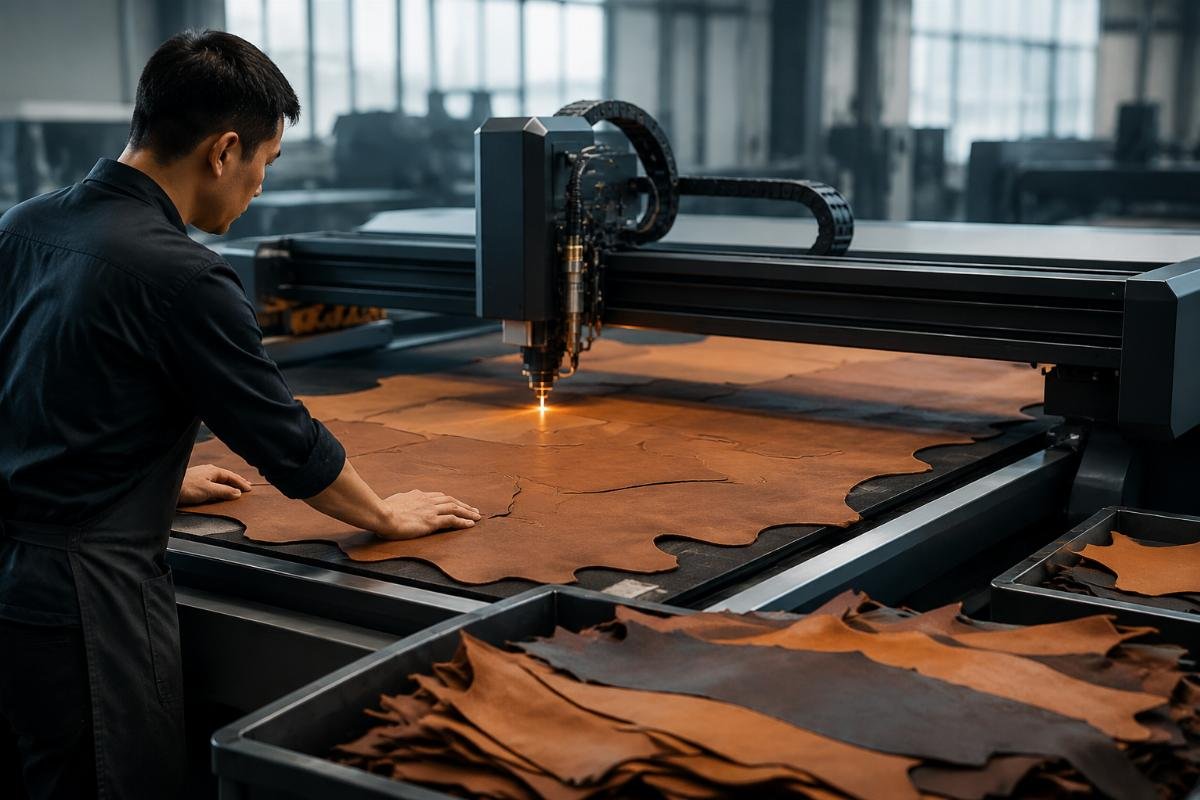
I recently worked with a home textile factory in Bursa that upgraded from manual die cutting to a 170-model cloth CNC cutting machine, cutting material waste by 22% and increasing daily output by 35% within the first month of deployment. The only adjustment they made was switching from a supplier with a 12-month warranty to one that offers lifelong free software upgrades, eliminating the need to pay for program updates every time they launch a new product line.
- Process Audit – Map out your top 3 highest-volume material types and average daily output targets before requesting supplier quotes, to avoid paying for features you will never use.
- Waste Benchmarking – Calculate your current per-unit material scrap rate to set a measurable reduction target for any new cutting equipment.
- Support Confirmation – Verify that potential suppliers offer remote troubleshooting support in English, as most Turkish production teams do not speak Mandarin.
How to pick a CNC cutting machine that fits both textile and furniture processing needs?
Prioritize multi-material compatibility and adjustable working parameters to avoid paying for unnecessary features tailored to non-local production scenarios. Most generic cutting machines on the market are built for European or North American production volumes, which often include overspec features that add thousands of dollars to the final price tag with no tangible benefit for Turkish small and medium facilities.
| Selection Factor | Common Misguided Choice | Correct Targeted Specification |
|---|---|---|
| Cutting Thickness | Opt for 100mm+ max cutting thickness under the assumption that higher equals more reliable | Select 50mm max cutting thickness with standard tool kits, which covers 99% of local textile and furniture material needs and cuts total cost by 28% [NEED_CITE: 50mm max cutting thickness with standard tool kits delivers 28% cost saving for Turkish flexible material processing] |
| Material Compatibility | Choose machines limited to 2-3 material types to save upfront cost | Prioritize systems compatible with 30+ flexible materials including leather, fabric, foam, cardboard, PVC, EVA, rubber and composites |
| Customization Flexibility | Lock in fixed working dimensions to get a lower advertised price | Leave room to adjust working area size for future product line expansion, with no extra surcharges for minor configuration tweaks |
An Istanbul-based furniture upholstery workshop I consulted last year adopted a fabric sofa CNC cutting machine with ±0.1mm repeat positioning accuracy, reducing leather scrap rate by 18% while being able to cut both thick velvet upholstery and thin cotton lining on the same unit, eliminating the need to run two separate cutting stations for different product lines.
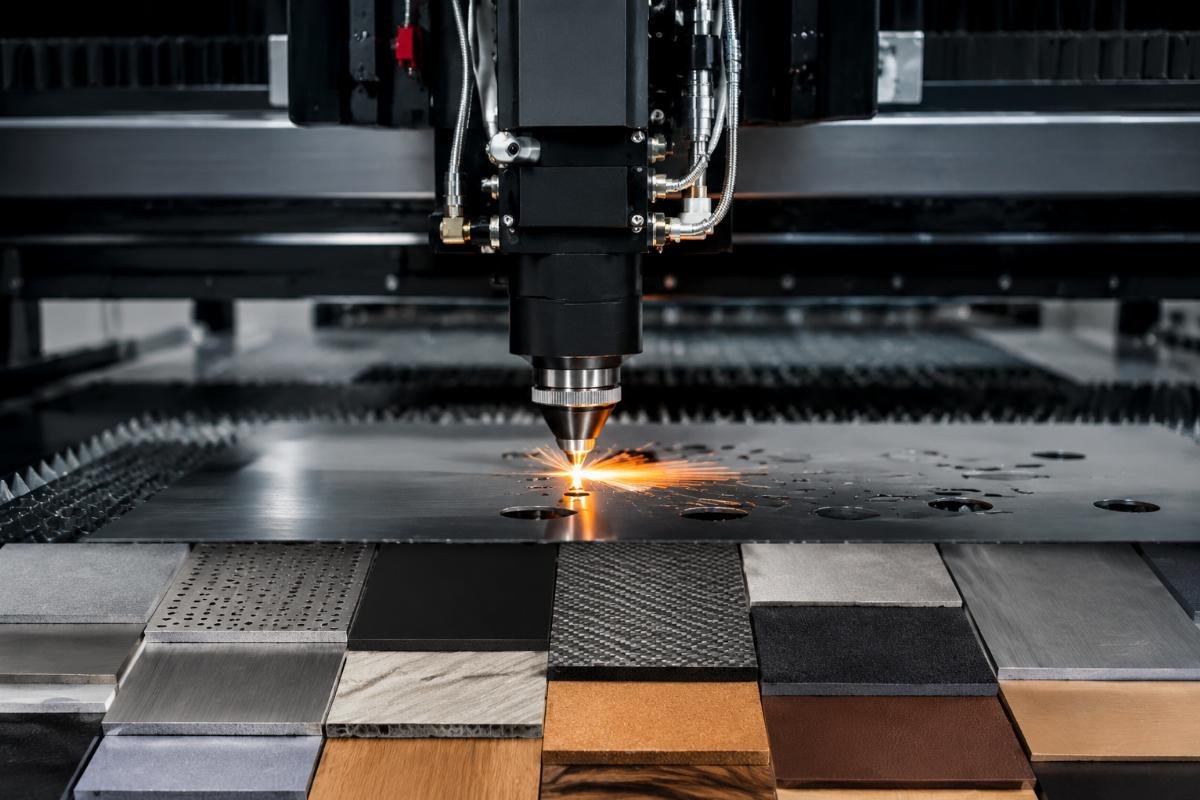
- Compatibility Test – Request suppliers to run free sample cuts of your 2 most commonly used materials and share test videos before committing to a purchase.
- Feature Filter – Cross out any listed features that do not directly apply to your product line, such as high-speed cutting for 20+ layer fabric stacks if you only run 2-3 layers per batch.
- Parameter Alignment – Confirm that the machine supports DXF/PLT/AI/PDF file imports, the standard format used by most local furniture and textile design teams.
Unstated tool upgrade fees, limited warranty periods, and extended lead times are the three most frequent extra costs that catch unknowing Turkish buyers off guard. These hidden costs can add up to 30% of the original quoted price if not explicitly written into the purchase agreement, turning an apparently affordable deal into a budget-breaking expense.
| Hidden Cost Category | Common Unplanned Scenario | Preventive Measure |
|---|---|---|
| Tool Upgrades | Suppliers quote a base machine without standard tool kits, then charge $800-$1500 for mandatory oscillating knife and creasing tool sets after order confirmation | Require all quoted prices to include full standard tool kits compatible with your target materials |
| Warranty Gaps | Suppliers advertise "long warranty" but only cover the machine frame, with all core components excluded from coverage | Demand explicit written confirmation that all core components are included in the 3-year warranty |
| Extended Lead Times | Suppliers quote 45+ day lead times for custom machines, which delays your production upgrade timeline by 1-2 months | Lock in a 31-day maximum lead time for custom configurations in your contract [NEED_CITE: Pre-negotiated 31-day lead time for custom CNC cutting machines prevents production upgrade delays] |
I worked with a local machinery trader earlier this year who almost fell for this trap when a supplier quoted a seemingly low price for 12 custom working area machines, only to reveal after the order was placed that white-label branding and tool configuration would add $2,200 per unit to the final cost. They switched to a certified high-tech manufacturer that included all customizations at no extra charge, and received the full order within 31 days with full white-label branding support.

- Quote Standardization – Send all potential suppliers the exact same list of required specifications to ensure you are comparing apples to apples across all quotes.
- Contract Clarity – Add a penalty clause for lead time delays that deducts 1% of the total order value per day past the agreed delivery date.
- Fee Disclosure – Require suppliers to list all possible extra fees in writing before you sign any purchase agreement.
Can small volume orders from Chinese suppliers meet Turkish factory customization requirements?
Certified high-tech manufacturers support full OEM/ODM customization even for single unit orders, with no extra branding or tool configuration surcharges. This directly contradicts the widespread assumption among Turkish buyers that only bulk order buyers can access custom options and formal after-sales support.
For small workshop owners and even local machinery traders, this means you do not need to commit to 20+ unit bulk orders to get a machine tailored exactly to your production needs