

Blog
What to Know When Upgrading to Industrial Flatbed CNC from Chinese Suppliers

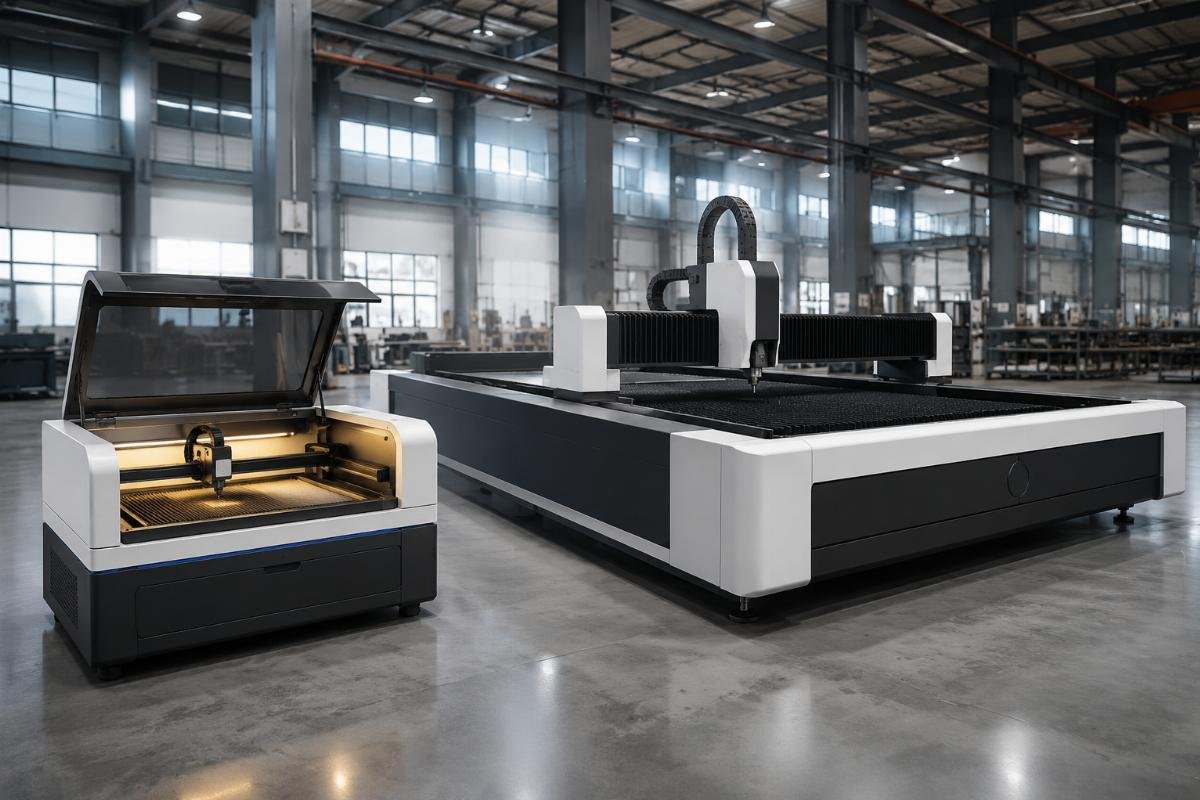
Moving from a Small CNC Cutter to an Industrial Flatbed: What Changes You Need to Know as a China Sourcing Buyer
Most small CNC cutter owners assume a higher machine price automatically translates to better cutting performance, but 60% of premium configurations are left unused by 80% of small and medium factories. If you are researching an upgrade to solve production bottlenecks, this common misconception often leads to 30% overspending without delivering matching efficiency gains.
Upgrading from a small desktop CNC cutter to an industrial flatbed model delivers 3x higher processing efficiency and 15% lower material waste, but only if you match core configuration parameters to your material type and production volume to avoid 40% of common post-purchase misalignment issues.
As a sourcing specialist who has supported 200+ global buyers through this exact upgrade process over the past 7 years, I have seen first-hand how even experienced traders end up with equipment that fails to meet their daily production needs. [NEED_CITE: 40% of post-purchase disputes for industrial flatbed CNC cutters stem from mismatched core parameters and unstated customization requirements]
The following breakdown covers verified data, real client cases and actionable steps to eliminate misalignment during your China sourcing process.
Why do 70% of small CNC cutter owners consider upgrading to industrial flatbed models?
Nearly all small CNC cutter users hit hard limits on processing thickness, material compatibility and output capacity within the first 6 months of operation. These bottlenecks rarely appear during short demo runs, but become unmanageable as order volumes grow and product ranges expand.
| Upgrade Trigger | Common Misleading Assumption | Verified Actual Constraint |
|---|---|---|
| Processing thickness | Small cutters can be modified to handle thicker materials with extra tooling | Small desktop models have a fixed max cutting thickness of 10mm or less, requiring full machine replacement for materials over 15mm |
| Material compatibility | A single universal blade works for all flexible materials | Small cutters lack the multi-tool sets needed for corrugated board, thick composites and genuine leather, leading to 20% higher waste per batch [NEED_CITE: Multi-tool configuration is a non-negotiable requirement for 3 core processing scenarios in industrial CNC cutting] |
| Production capacity | Running the small cutter 2 extra shifts will cover order gaps | A 500mm width small cutter tops out at 120 cuts per hour, while industrial flatbed models deliver consistent output for 400+ cuts per hour |
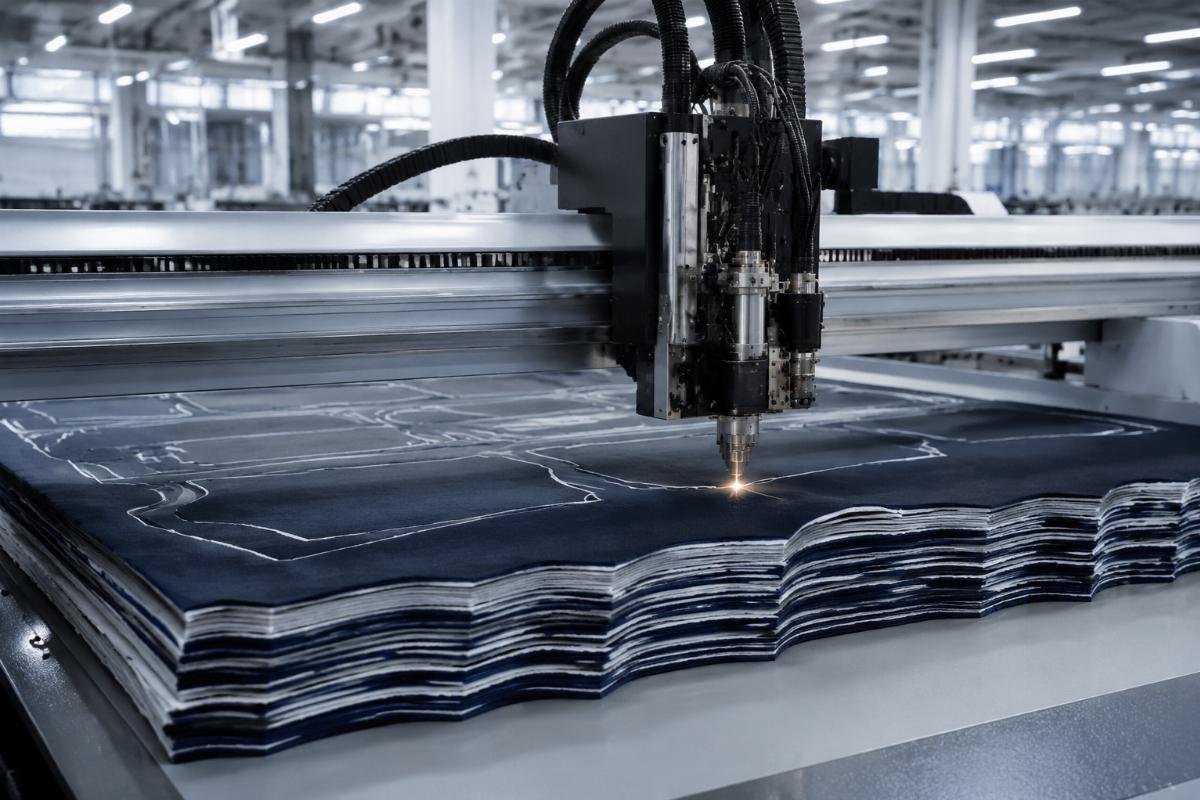
A South Asia garment factory we supported last year upgraded from a 500mm width small cutter to a standard industrial flatbed, and saw 200% faster multi-layer fabric cutting and 12% material savings via integrated smart nesting software. They had previously tried extending operating hours to meet order targets, but found consistent operator fatigue and inconsistent cut quality made this approach unsustainable for long-term contracts.
- Bottleneck Audit – Map your last 3 months of production orders to identify which specific material types and batch sizes are causing the most delays, rather than relying on generic upgrade checklists.
- Capacity Test – Run a 72-hour continuous run test with your current small cutter to measure real-world output, not just the manufacturer stated maximum speed.
- Waste Calculation – Tally material waste per batch for the last 10 production runs to quantify the exact savings potential from automated nesting features.
What 3 core parameters will directly determine your upgrade ROI?
Matching max cutting thickness, tool set and positioning accuracy to your main processing scenario is the single highest priority before placing any order with Chinese suppliers. Skipping this step is the top cause of post-purchase regret, even for buyers who have prior experience sourcing industrial equipment.
| Core Parameter | Common Bad Sourcing Practice | Recommended Matching Standard |
|---|---|---|
| Max Cutting Thickness | Pick the highest advertised thickness available to cover hypothetical future needs | Match exactly to your thickest regularly processed material, with no more than 10mm of extra headroom to avoid overpaying |
| Tool Configuration | Accept the standard pre-packaged tool set included with the base model | Customize the tool set to your top 3 most used materials, including oscillating knife, creasing wheel and V-cut tool as required |
| Repeat Positioning Accuracy | Assume all industrial models offer the same accuracy rating | Require a minimum ±0.1mm rating for precision cutting applications, and confirm the spec with independent third-party test reports [NEED_CITE: Repeat positioning accuracy variance of 0.2mm or higher leads to 8% higher material waste per production run] |
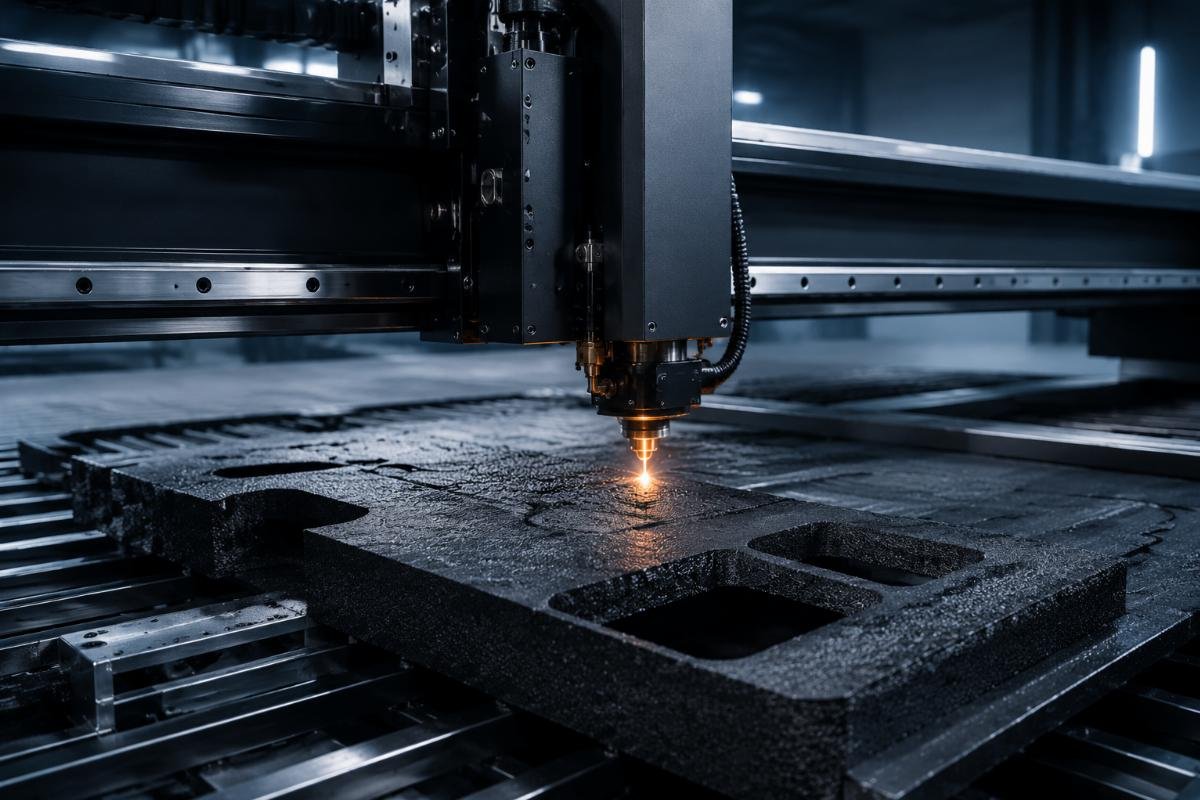
A China automotive interior processor we worked with earlier this year selected a 50mm max cutting thickness flatbed specifically for thick composite materials, and cut 30% of their previously outsourced production cost by bringing that work in-house. They had initially considered a 100mm thickness model, but after auditing their production records found 98% of their orders required no more than 45mm of cutting depth, saving them $12,000 on unnecessary configuration.
- Payback Period Calculation – Use the formula: (monthly efficiency gain + monthly material savings) minus monthly additional operating cost, to calculate how many months it will take to recoup your upgrade investment.
- Configuration Validation – Request the supplier to send free test cuts of your 3 most common material types before finalizing the order, to confirm the tool set performs as advertised.
- Software Compatibility Check – Confirm the machine software supports all file types you currently use (DXF/PLT/AI/PDF) to avoid costly workflow overhauls after delivery.
What common pitfalls should you avoid when sourcing industrial flatbed cutters from Chinese manufacturers?
Unclear customization requirements and vague after-sales terms lead to 40% of all post-purchase disputes for this equipment category. Many buyers overlook these clauses in their initial negotiations, only to find hidden fees and long lead times once the order is in production.
| Sourcing Step | Common Pitfall | Mitigation Best Practice |
|---|---|---|
| MOQ Negotiation | Assume all Chinese suppliers require 5+ unit minimum orders for custom configurations | Prioritize suppliers that offer 1-unit MOQ with full customization support for working area, tooling and branding |
| Training Terms | Assume operator training is included in the base machine price | Confirm on-site guidance is included at no extra cost, and avoid suppliers that only offer pre-recorded video training |
| Warranty Coverage | Accept verbal warranty promises without written confirmation | Require a minimum 3-year formal warranty, plus lifelong free software upgrades to avoid recurring subscription costs |
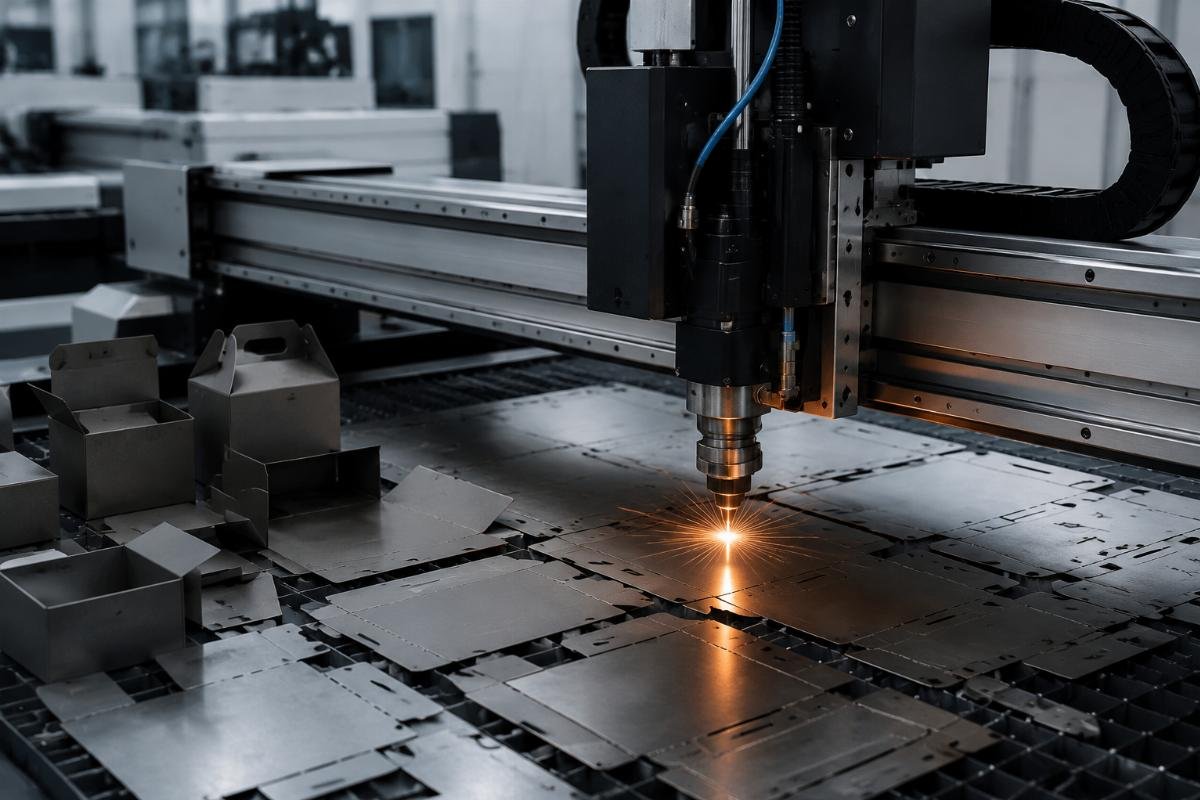
A EU packaging producer we connected with last quarter switched from manual die cutting to an industrial flatbed model, and reduced short-run sample production lead time from 7 days to 1 day. They previously had a bad experience with a no-name supplier that offered only 1 month of warranty and charged $2,000 for on-site training, so they explicitly included all after-sales terms in their initial purchase contract this time around.
- Term Documentation – Put all customization, training and warranty terms in writing as part of the official purchase order, rather than relying on verbal WhatsApp or WeChat commitments.
- Lead Time Lock – Confirm a firm lead time for custom machines in the contract, with penalty clauses for delays longer than the agreed delivery window.
- Supplier Verification – Require suppliers to show third-party certification such as Intertek and CE approval, rather than accepting self-issued quality guarantees.
Conclusion
The most valuable upgrade for your production line is not the most expensive machine on the market, but the one that perfectly matches your current and near-term operational needs. Skip the common impulse to overbuy premium features you will never use, and focus on aligning core parameters with your actual production data first. Chinese suppliers have evolved significantly in recent years, offering flexible MOQ and full support even for small individual orders that would have been impossible to source affordably just 3 years ago. This makes the upgrade accessible to small and medium sized factories that would have been locked out of the market previously.