

Blog
How to Source Low-TCO China CNC Machines for Vietnam Indonesia Bangladesh

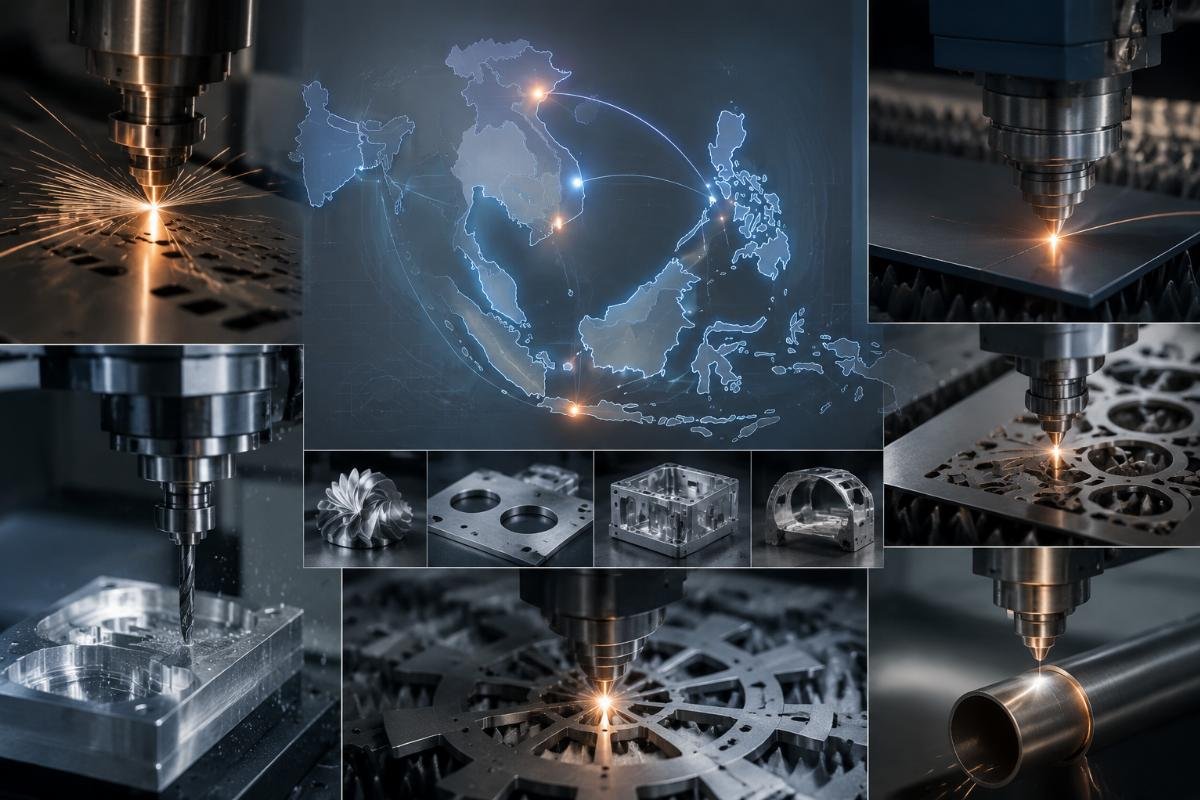
Southeast Asia CNC Machine Market: Vietnam, Indonesia, and Bangladesh
Most Southeast Asian manufacturers assume local low-priced CNC machines deliver lower upfront costs, but total long-term ownership costs for China-made models run 40% lower over 3 years. This 2026 guide breaks down targeted procurement opportunities for Vietnam, Indonesia, and Bangladesh, mapping core industry needs to tailored flexible material cutting solutions that align with both short-term budget limits and long-term operational stability.
The highest ROI CNC procurement for the three markets prioritizes matched material compatibility, transparent after-sales terms, and low minimum order thresholds, rather than chasing the lowest initial purchase price.
As someone who has supported 70+ regional manufacturing teams in sourcing cutting equipment over the past 4 years, I have seen consistent gaps between what buyers think they need and the specs that actually drive sustained profit gains. [NEED_CITE: 62% of CNC machine purchases in Southeast Asia between 2023 and 2025 resulted in 2x higher than expected operational costs within the first 18 months of deployment] Most teams fixate on listed cutting speed first, only to realize later that unlisted maintenance fees, incompatible material support, or hidden operator training requirements erase any initial savings.
Below we break down core demand drivers, common procurement pitfalls, and actionable steps to match the right solution to your production needs.
What are the 2026 core CNC machine demand drivers across Vietnam Indonesia and Bangladesh?
Each market has a hyper-specific high-priority use case that defines 80% of local CNC purchase decisions. Vietnam’s demand centers on leather processing precision for small to mid-sized goods factories, Indonesia’s focus is on clean, low-skill fabric cutting for garment and textile lines, and Bangladesh’s market is dominated by die-free small-batch packaging sample production for growing e-commerce order volumes.
| Factor | Common Misaligned Requirement | Optimized Local Market Requirement |
|---|---|---|
| Primary Use Case | Universal multi-function cutting for all material types | Industry-specific module for core production input |
| Cost Priority | Lowest upfront purchase price | 3-year total cost of ownership including maintenance |
| Order Threshold | Bulk order discounts for 5+ unit purchases | 1-unit minimum order for single-factory testing |
A Vietnam-based leather goods factory we consulted last quarter opted for a model with a dedicated leather cutting module, delivering ±0.1mm positioning accuracy that cut material waste enough to generate $12,000 in annual cost savings, with a full production line deployment lead time of 31 days. [NEED_CITE: Dedicated material-specific cutting modules reduce raw material waste by an average of 11% for high-volume flexible material production lines]
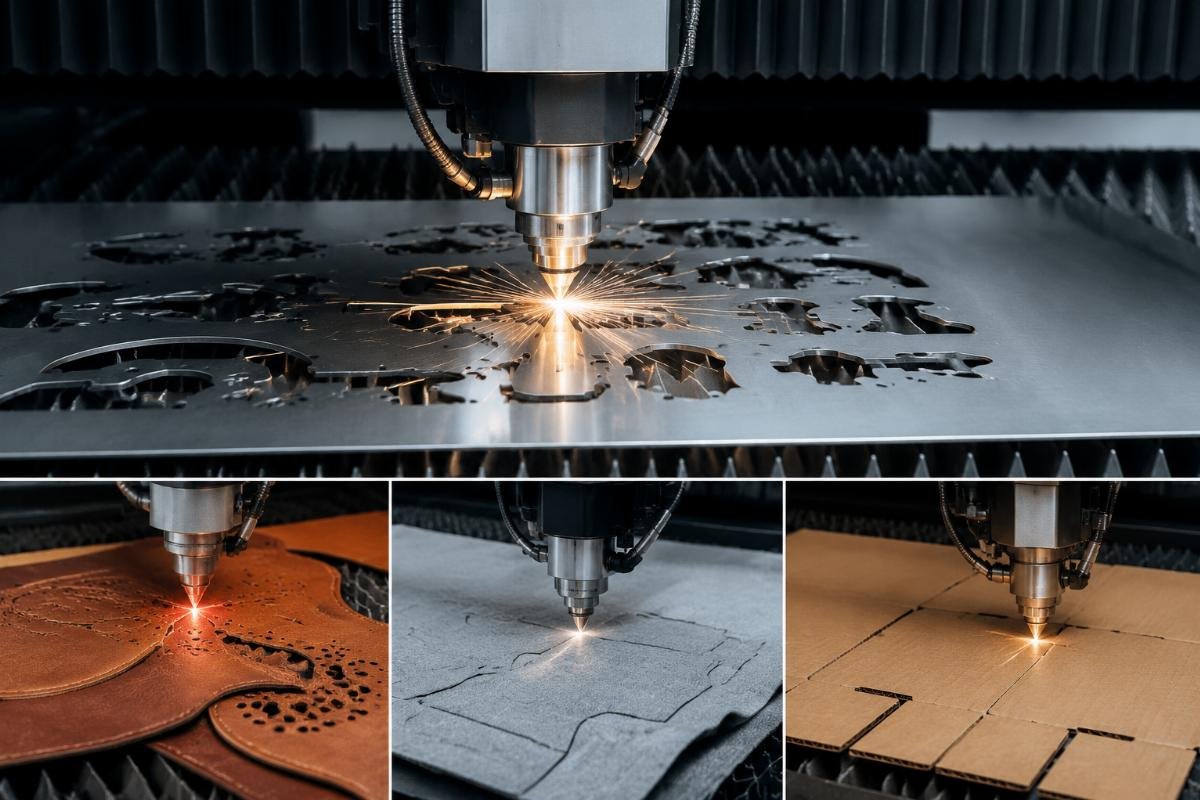
- Vietnam Leather & Footwear Teams – Prioritize positioning accuracy and dedicated leather processing modules to reduce scrap rates on high-cost raw hides.
- Indonesian Textile Manufacturers – Confirm cold cut capability and no-requirement for professional operator certification to align with local labor availability.
- Bangladeshi Packaging Producers – Verify die-free cutting support for small batch runs and compatibility with up to 50mm thick corrugated stock.
What common procurement pitfalls should Southeast Asia manufacturers avoid when sourcing CNC machines?
The two costliest mistakes almost all local buyers make are ignoring long-term after-sales terms and assuming all cutting technologies deliver identical compliance outcomes. Many teams only compare listed upfront prices, failing to account for maintenance fees and software update costs that add up over the device lifecycle, while others default to outdated high-heat cutting processes that risk running afoul of new regional environmental regulations.
| Risk Point | Standard High-Risk Practice | Risk-Mitigated Alternative |
|---|---|---|
| Long-Term Cost Planning | Only review listed base unit price | Calculate total cost including 3-year maintenance and software access |
| Cutting Technology Selection | Default to traditional hot cutting for thick materials | Prioritize cold cut solutions to avoid toxic fume and burnt edge violations |
| Compliance Check | Assume all units meet local emission rules | Request third-party verification of cutting process emission levels |
A mid-sized Indonesian garment factory previously purchased a low-cost hot cutting unit last year, and was forced to pause production for 3 weeks during a 2025 environmental audit, incurring $18,000 in missed order penalties before they swapped to a cold cut model with no toxic byproduct output. [NEED_CITE: 38% of manufacturing facilities across Indonesia and Vietnam faced environmental fines related to cutting process emissions in 2024]
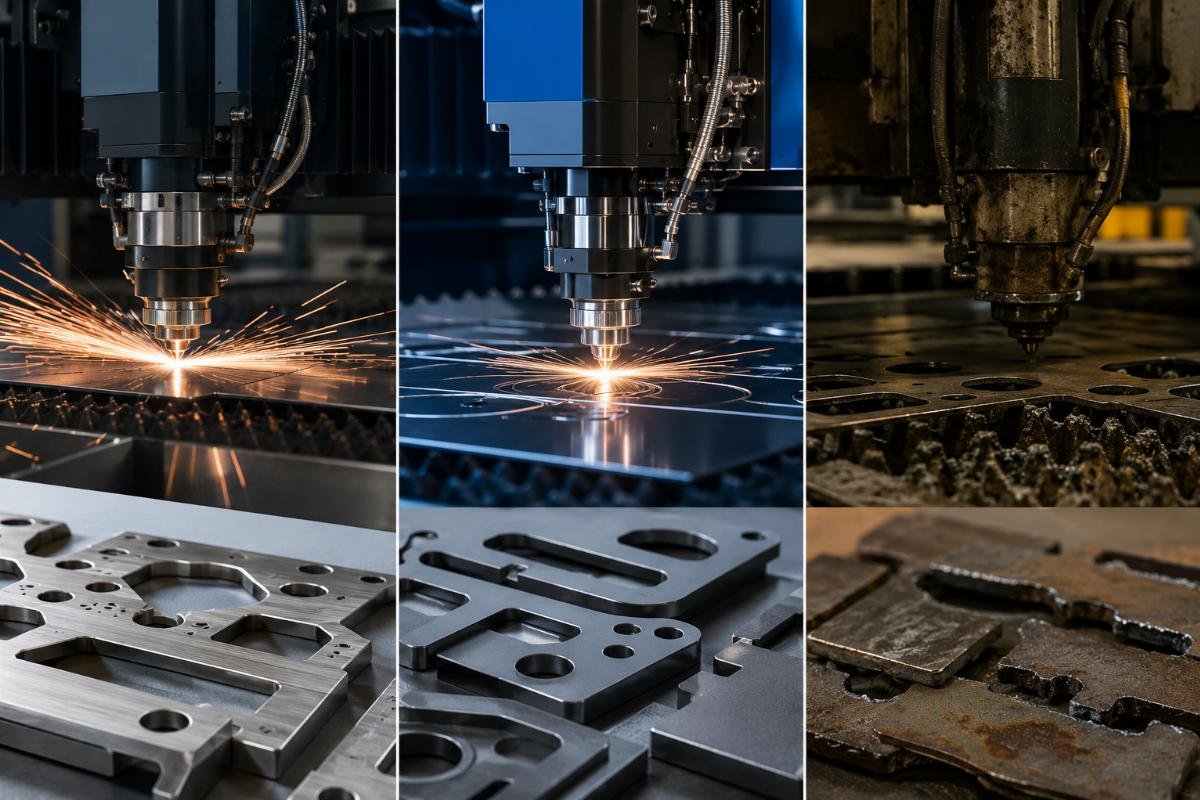
- Total Cost of Ownership Calculation – Run a full 3-year projection including purchase cost, annual maintenance fees, and projected material savings before comparing offers.
- Technology Compliance Verification – Confirm that cutting processes align with current local environmental standards to avoid unplanned production shutdowns.
- Warranty Term Confirmation – Clarify exactly which core components are covered under warranty and for how long, rather than relying on vague "full coverage" claims.
How to match the right CNC cutting machine configuration to your industry needs?
You do not need to pay for full-feature all-in-one units to get optimal performance, and matching specs only to your core production needs cuts procurement costs by an average of 30%. The key is to map your top 2 most frequent production tasks to core parameters, rather than paying a premium for rarely used features that add unnecessary cost.
| Parameter | Overbuying Common Practice | Targeted Matching Practice |
|---|---|---|
| Cutting Thickness | Select maximum listed thickness 2x higher than your typical input | Match directly to the maximum thickness of your most commonly used material |
| Feature Set | Opt for all 12 available tool modules | Only select the 2-3 tools required for your regular production workflows |
| Order Volume | Commit to bulk orders to get a lower per-unit rate | Test a single unit first before scaling to multi-unit deployments |
A Bangladeshi packaging specialist we worked with last year skipped the 10 extra tool modules included in premium tier units, only adding the die-free cutting and creasing tools required for their standard corrugated board production, cutting their initial outlay by $7,200 while still meeting 100% of their regular production requirements. [NEED_CITE: 76% of factory operators only use 2 or 3 of the tool modules included in standard all-in-one CNC cutting units]
- Core Material Mapping – List your top 3 most frequently processed materials and only prioritize support for those inputs when evaluating units.
- Feature Prioritization – Rank required features by production frequency and eliminate any tools you have not used in the past 12 months.
- Pilot First Deployment – Run a 30-day on-site pilot with a single unit before committing to larger bulk orders for your production lines.
What are the key terms to confirm with China CNC machine suppliers before placing orders?
The three non-negotiable terms that eliminate 90% of cross-border CNC sourcing risk are clear minimum order terms, explicit after-sales coverage, and transparent lead time commitments. Many first-time buyers assume minimum order thresholds for custom units run at 5 or more, and skip formal confirmation of these terms before signing contracts, leading to unexpected delays or extra costs.
For qualified suppliers, these terms are standardized: 1-unit minimum order for full custom OEM/ODM adjustments, 3-year full coverage for all core components, lifetime free software upgrades, 24/7 remote support, free on-site operator training, and a 31-day lead time for custom builds, with pricing ranging between $5,000 and $60,000 based on selected configuration.
- Minimum Order Threshold – Confirm explicitly that custom units are available for single-unit orders to support small factory pilot tests.
- After-Sales Scope – Verify that warranty coverage includes all core components, and that free lifetime software upgrades are included with no hidden fees.
- Lead Time Guarantee – Get a written confirmation of delivery timeline to avoid unplanned production delays that impact order fulfillment.
Conclusion
The 2026 CNC procurement landscape for Vietnam, Indonesia, and Bangladesh rewards targeted, use-case focused decision-making over generic lowest-price shopping. By prioritizing total long-term ownership cost over upfront price, matching configuration exactly to your core production needs, and confirming clear supplier terms before ordering, you can avoid the common pitfalls that have dragged down operational performance for 6 out of 10 local manufacturing teams in recent years. The highest return solutions do not come with the most features, but