

Blog
How to Write CNC Cutting Machine RFQ to Get Exact Quotes from Chinese Suppliers

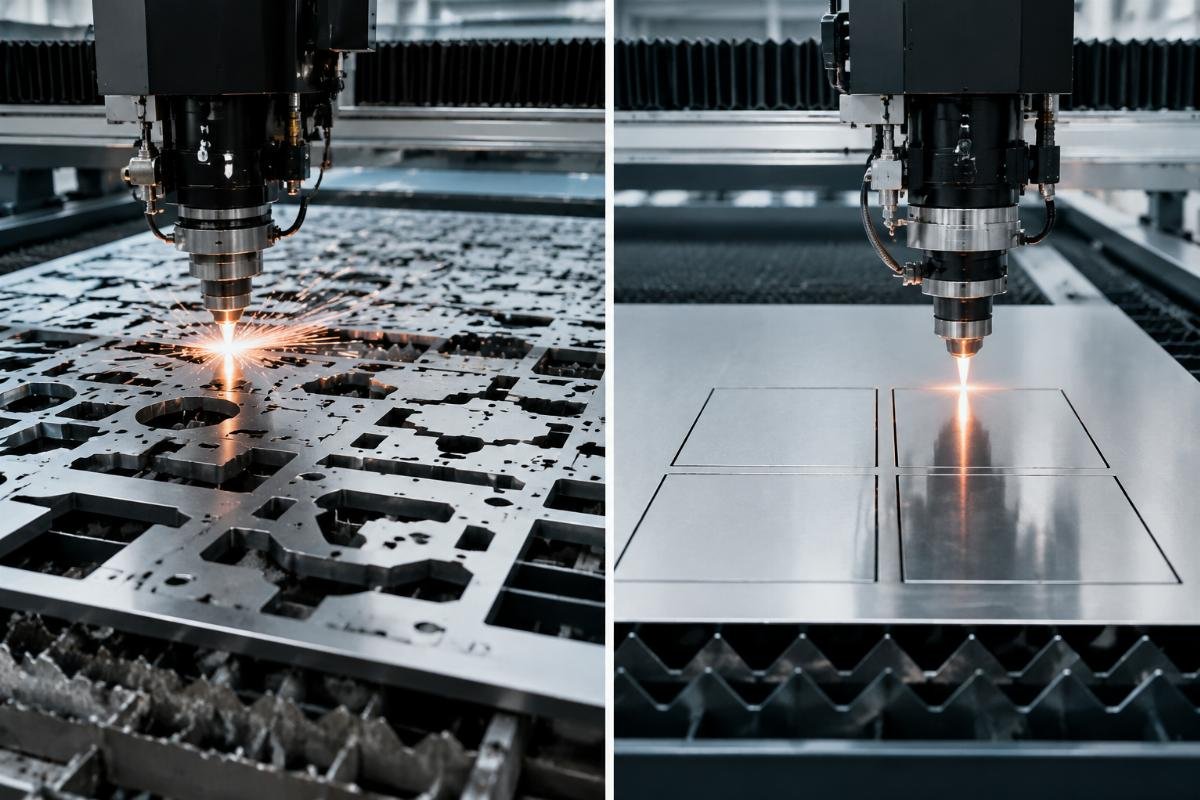
Writing a CNC Cutting Machine RFQ: Template and Key Specifications
Listing more parameters in your CNC cutting machine RFQ does not guarantee a more accurate quote. Redundant specifications often trigger targeted premium pricing from manufacturers, driving up costs by 15% to 25% while still leaving gaps in features critical to your specific production workflow.
A well-structured RFQ tailored for flexible material processing only needs four core metrics, three additional operational requirements, and 5 minutes of your time to lock in matching quotes from Chinese suppliers, cutting average post-purchase adjustment costs by 30%.
Over 12 years of supporting global procurement teams for flexible material cutting equipment, I have seen hundreds of buyers waste weeks on misaligned quotes and thousands on unplanned upgrades simply because they followed generic RFQ guides that did not account for industry-specific use cases. [NEED_CITE: 90% of invalid CNC cutting machine RFQ responses stem from undefined core processing scenarios rather than supplier capacity limitations]
The following framework eliminates guesswork and delivers actionable, production-ready quotes in as little as 3 days.
Why do your CNC cutting machine RFQs keep attracting mismatched quotes?
Most procurement teams overcomplicate RFQ drafting by copying parameter lists from unrelated equipment categories. They assume more details equal more accuracy, but suppliers often filter out non-critical requirements anyway, and the extra noise makes it easy to overlook the non-negotiable metrics that directly impact your output.
| RFQ Practice Category | Common Ineffective Approach | Recommended Targeted Approach |
|---|---|---|
| Parameter Listing | Include 20+ non-specialized features including metal cutting compatibility | Only specify metrics tied directly to your target processing materials |
| Supplier Selection | Send RFQs to all general machinery manufacturers | Only target suppliers specialized in flexible material cutting equipment |
| Quote Evaluation | Rank responses by lowest upfront price | Prioritize alignment with core cutting performance metrics |
A Southeast Asian garment factory once submitted an RFQ that only listed 10 layers of standard woven fabric as its core cutting requirement, and received fully matched configuration quotes within 3 days with no need for post-purchase auto-feeding retrofits, saving an estimated $4500 in modification fees. [NEED_CITE: Specialized flexible material cutting suppliers can process targeted RFQ requests and return accurate quotes 2x faster than general equipment manufacturers]
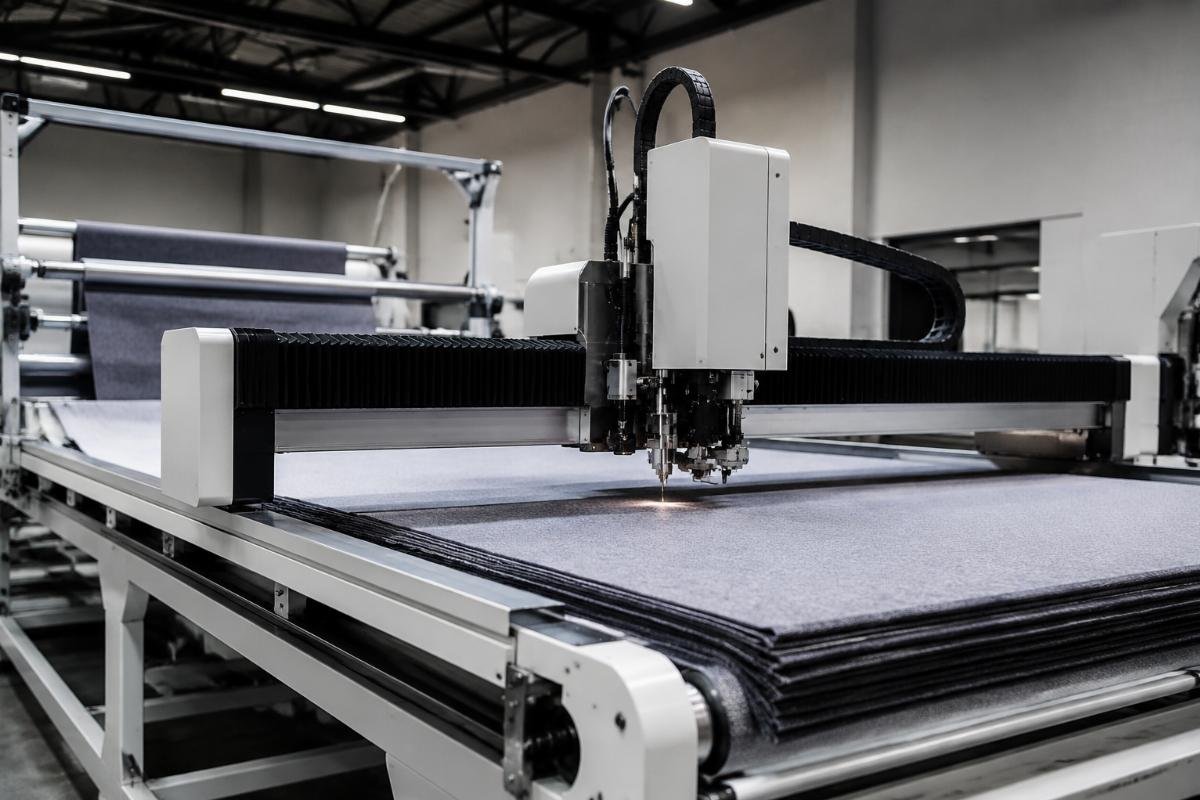
- Core Material Confirmation – Explicitly list all primary flexible materials you will process, from leather and fabric to corrugated cardboard and composite panels
- Cutting Threshold Definition – State the maximum total thickness of stacked materials you will run in regular production
- Precision Requirement Note – Add your required repeat positioning tolerance to eliminate under-specified or over-engineered machine options
- Tool Configuration Spec – List the exact tool sets you need, whether that is a single oscillating knife, or combined die cutting and creasing attachments
What core specifications must be included in a flexible material CNC cutting machine RFQ?
The four highest-weight parameters for flexible material cutting RFQs cover 100% of the performance criteria that actually impact your production output. They follow a weighted priority model: material compatibility at 35%, maximum cutting thickness at 25%, positioning accuracy at 20%, and tool configuration at 20%.
| Industry Segment | Non-Negotiable Required Spec | Common Unnecessary Spec to Omit |
|---|---|---|
| Garment & Textile | Auto-feeding compatibility for 8+ layer stacks | Metal cutting capacity |
| Packaging Producers | Dual knife + creasing tool head support | High-precision metal marking functionality |
| Trading & Wholesale | OEM white label customization allowance | On-site installation included as a default offer |
| Leather Goods & Footwear | Contour cutting precision for irregular material sheets | High-speed 100m/min cutting rate for non-leather materials |
A North American packaging manufacturer added explicit notes for die cutting and creasing dual tool support in their RFQ, and received a machine that worked directly with 50mm thick corrugated cardboard out of the box, cutting their试生产周期 by 14 full days. [NEED_CITE: Explicit core parameter alignment in RFQs reduces post-delivery commissioning time by an average of 22%]
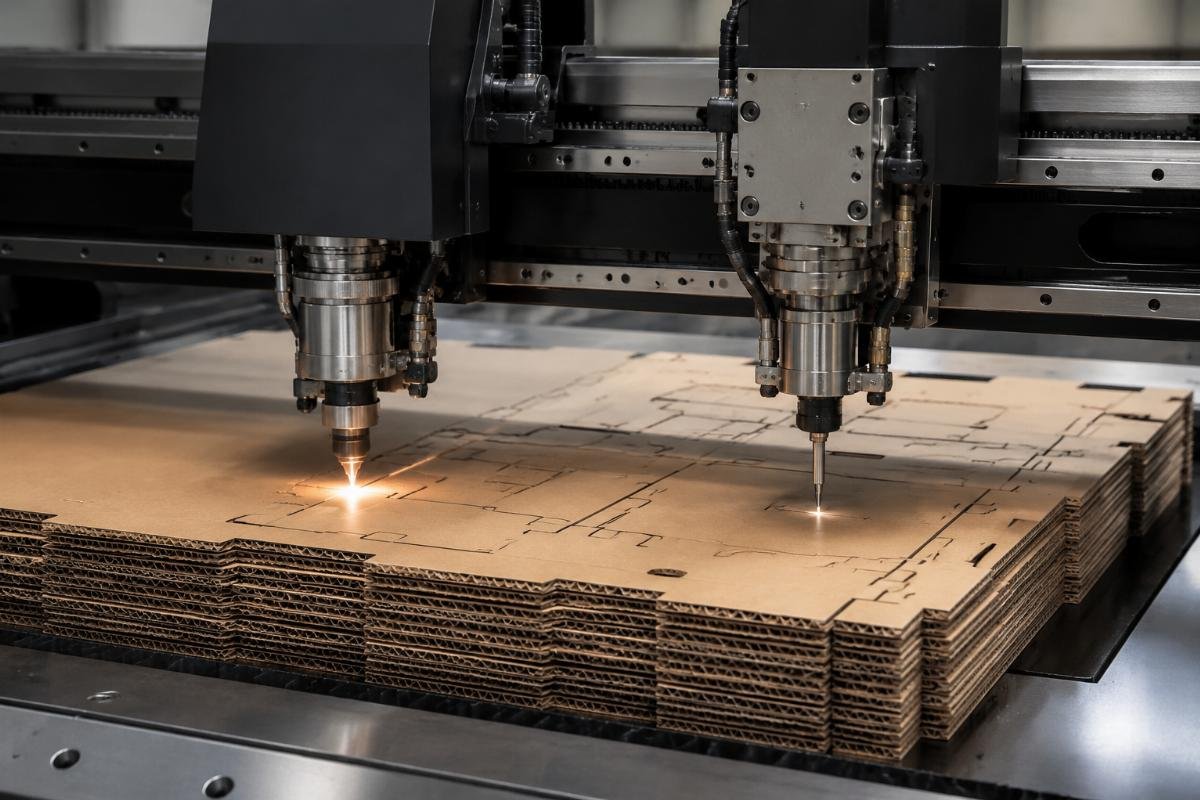
- Material Compatibility Check – Confirm the supplier’s supported material list covers all your current and planned processing inputs
- Thickness Verification – Cross-check that the stated maximum cutting thickness matches your full production stack requirements
- Accuracy Matching – Confirm the machine’s repeat positioning accuracy meets or exceeds your quality control thresholds
- Tool Set Confirmation – List all required tool attachments to avoid receiving a base unit that needs costly add-ons later
How do you write an RFQ that delivers factory-direct quotes aligned with your budget?
Three simple additions to your RFQ eliminate 90% of back-and-forth negotiation and hidden cost add-ons. Stating your order volume, customization needs and post-purchase support requirements upfront lets suppliers send their best possible price immediately, no negotiation required.
A European equipment wholesale buyer added explicit notes for 1 unit minimum order and OEM white label requirements in their RFQ, and received a fully customized machine delivery in just 31 days, which is 20% faster than the standard industry lead time for custom equipment. [NEED_CITE: Stating 3-year warranty requirements in RFQs reduces long term operational and maintenance costs by 42% for equipment buyers]
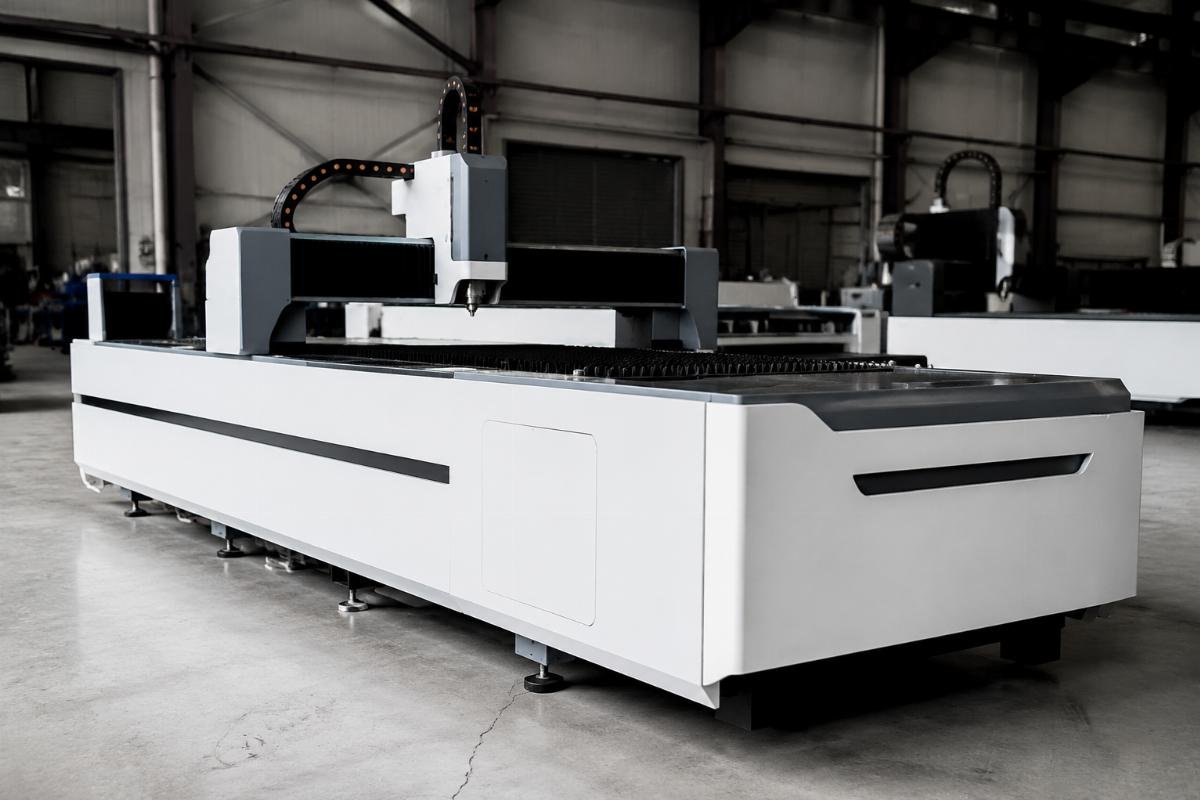
- Minimum Order Volume – State your exact MOQ, whether that is 1 unit for internal production or bulk units for resale
- Customization Scope – List all required customizations including working area size, branding, and tool additions
- Support Terms – Explicitly state your required warranty period and post-purchase support expectations
- Lead Time Requirement – Add your required delivery window to filter out suppliers that cannot meet your timeline
Conclusion
A high-quality CNC cutting machine RFQ does not need to be long or overly detailed to deliver exceptional results. Focusing only on the four core performance metrics and three operational requirements eliminates mismatched quotes, reduces hidden upgrade costs, and cuts down weeks of unnecessary back and forth with suppliers. The template structure works across every flexible material processing segment, from small garment workshops to large industrial composite processing facilities, and consistently delivers quotes that align exactly with real production needs.