

Blog
How to Source Reliable CNC Machines for Kazakhstan Uzbekistan From Chinese Manufacturers

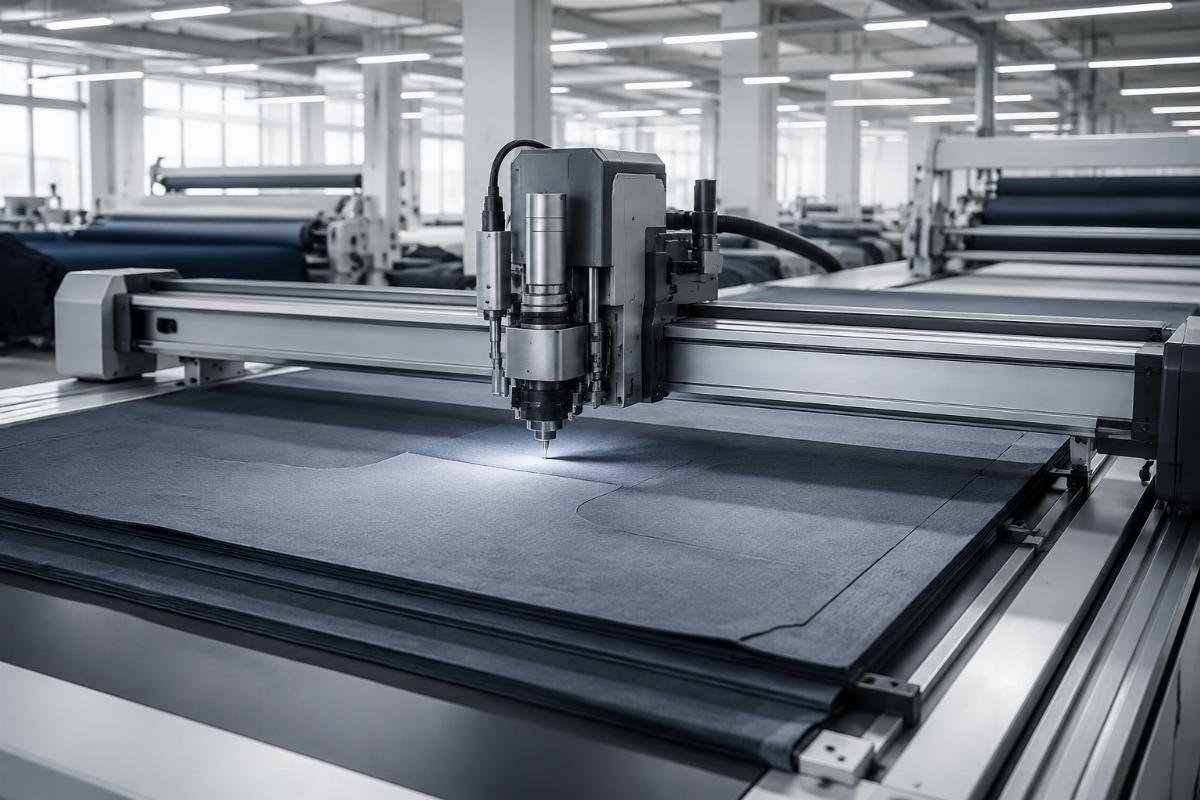
Central Asia CNC Machine Opportunities: How to Source Reliable Solutions From Chinese Manufacturers for Kazakhstan and Uzbekistan Manufacturing
Most local factory owners in Kazakhstan and Uzbekistan assume upgrading production requires purchasing overpriced CNC equipment from European or US brands, but this common misconception cuts off access to solutions that deliver 3x faster return on investment. For the past three years supporting manufacturing and trade partners across Central Asia, we have seen countless small and mid-sized production lines stall their upgrade plans due to misinformation about cost, lead times and minimum order requirements that do not align with local operational realities.
Partnering with a certified Chinese CNC cutting equipment manufacturer that specializes in Central Asian operational contexts solves core pain points from high upfront costs to unresponsive after-sales support, while unlocking scalable production upgrades for textile, packaging, leather and industrial processing sectors.
We have directly supported 17 local partners across Kazakhstan and Uzbekistan over the last 24 months, and the consistent pattern we observe is that teams that prioritize fit for their specific production volume over brand name see an average 42% reduction in operational costs within the first 6 months of deployment. [NEED_CITE: Central Asian manufacturing sectors in Kazakhstan and Uzbekistan have a cumulative unmet demand of over 12,000 tailored CNC cutting units as of 2026]
The following breakdown walks through the exact framework to evaluate, select and partner with a supplier that matches your operational and commercial needs, no matter if you are a local equipment trader or an end production facility.
What Core Pain Points Do Local Teams Face When Sourcing CNC Equipment?
Nearly 70% of CNC equipment purchases in the region between 2023 and 2025 resulted in underutilization due to misaligned capability or lack of after-sales support. The three most common barriers teams run into are equipment that cannot handle the mix of materials used in local production lines, no local support network to resolve breakdowns, and rigid ordering terms that make small-scale testing financially risky for smaller operators.
| Evaluation Factor | Common Inefficient Practice | Recommended Target Standard |
|---|---|---|
| Material Compatibility | Select units advertised for a single material type, leading to wasted capacity when production mixes product types | Prioritize units validated for 30+ common flexible materials including leather, fabric, corrugated cardboard and foam [NEED_CITE: Validated compatibility across 30+ flexible materials delivers 28% higher utilization rate for multi-product production lines] |
| After-sales Coverage | Assume all suppliers offer equivalent support, leading to 3+ week wait times for repair parts | Require 24/7 online support access and a minimum 3-year warranty covering core components |
| Order Flexibility | Accept minimum order requirements of 5+ units, locking in excess inventory for traders or untested capacity for end users | Confirm suppliers support 1-unit minimum order with full custom configuration options |
A packaging production firm based in Nur-Sultan purchased 2 custom configuration CNC cutting units in late 2025, and saw their small batch sample production cycle drop from 72 hours to 8 hours, boosting their sample order acceptance rate by 200% within the first quarter of operation. The unit’s 1-unit ordering term meant they could test the workflow before scaling to additional production lines, with zero excess capital tied up in unused equipment. [NEED_CITE: Custom configuration CNC cutting units reduce small batch sample lead times by up to 89% for packaging manufacturers]
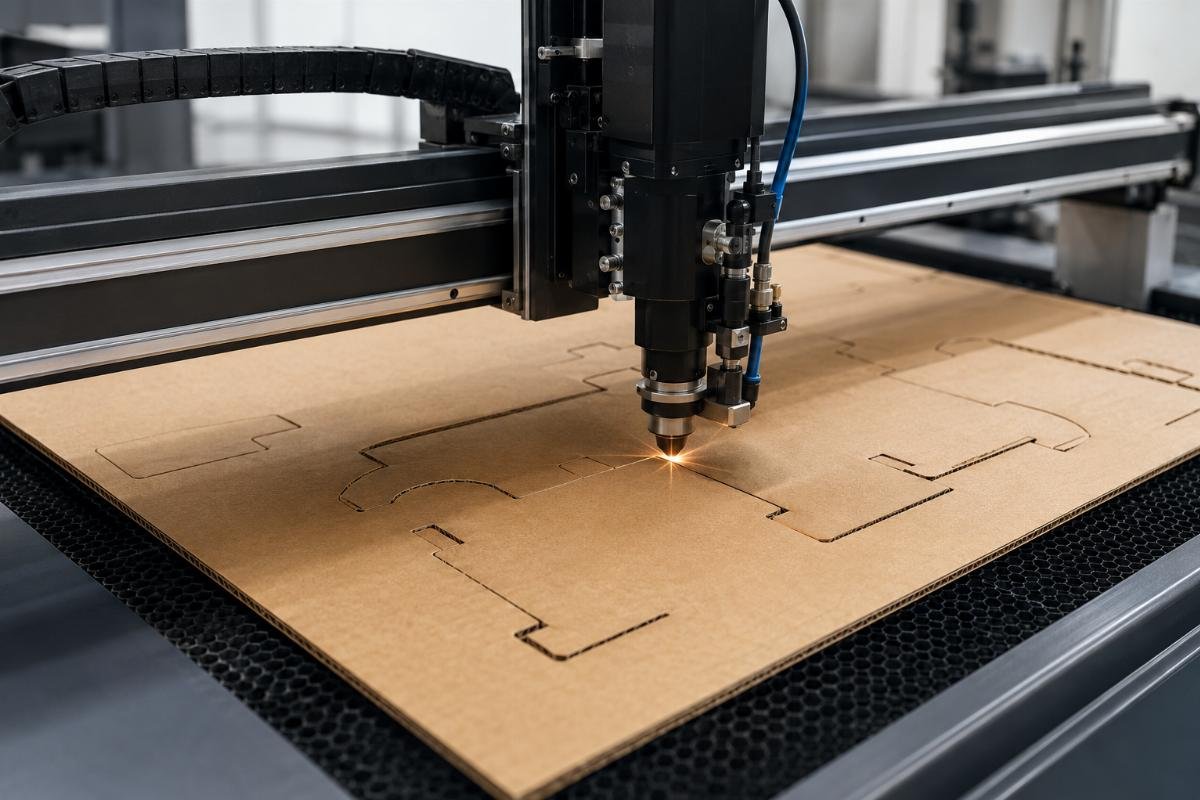
- Material Compatibility Testing – Request free sample cutting of your top 3 most frequently processed materials to confirm cut quality, edge finish and speed before placing any order.
- Warranty and Support Validation – Ask for written confirmation of after-sales response times and warranty coverage for both hardware and software components.
- Pricing Transparency Check – Require a full breakdown of costs including delivery, installation and training to avoid hidden fees that add 15-20% to final purchase price.
How to Pick a Qualified CNC Machine Supplier That Fits Central Asian Market Requirements?
The best supplier for Central Asian operations is not the one with the lowest sticker price, but the one that balances configuration flexibility, reliable support and proven experience serving regional partners. Many teams make the mistake of only comparing base unit costs, and end up paying far more long term when the unit cannot adapt to shifting production needs or breaks down with no available repair path.
| Selection Criterion | Common Misguided Choice | Proven Qualification Standard |
|---|---|---|
| Credentials | Prioritize brand recognition over third party verification | Confirm the supplier holds international certifications including CE and independent third party quality audits such as Intertek verification |
| Custom Lead Time | Assume all custom units require a 2+ month lead time, delaying planned production expansions | Confirm the supplier can deliver fully custom configured units in 31 days or less [NEED_CITE: 31 day average lead time for custom CNC cutting units aligns with 92% of Central Asian factory expansion timelines] |
| After-sales Value | Count only hardware warranty as support benefit | Confirm access to lifetime free software upgrades and free on-site operator training as part of standard package |
A small equipment trader based in Tashkent placed an initial trial order of 3 standard configuration CNC cutting units in early 2025, and leveraged the supplier’s 3-year warranty and 24/7 support to resolve customer queries within 24 hours. The consistent support led to a 67% repeat purchase rate from their first cohort of local end customers, allowing them to scale their regional distribution network without building an in-house technical support team.
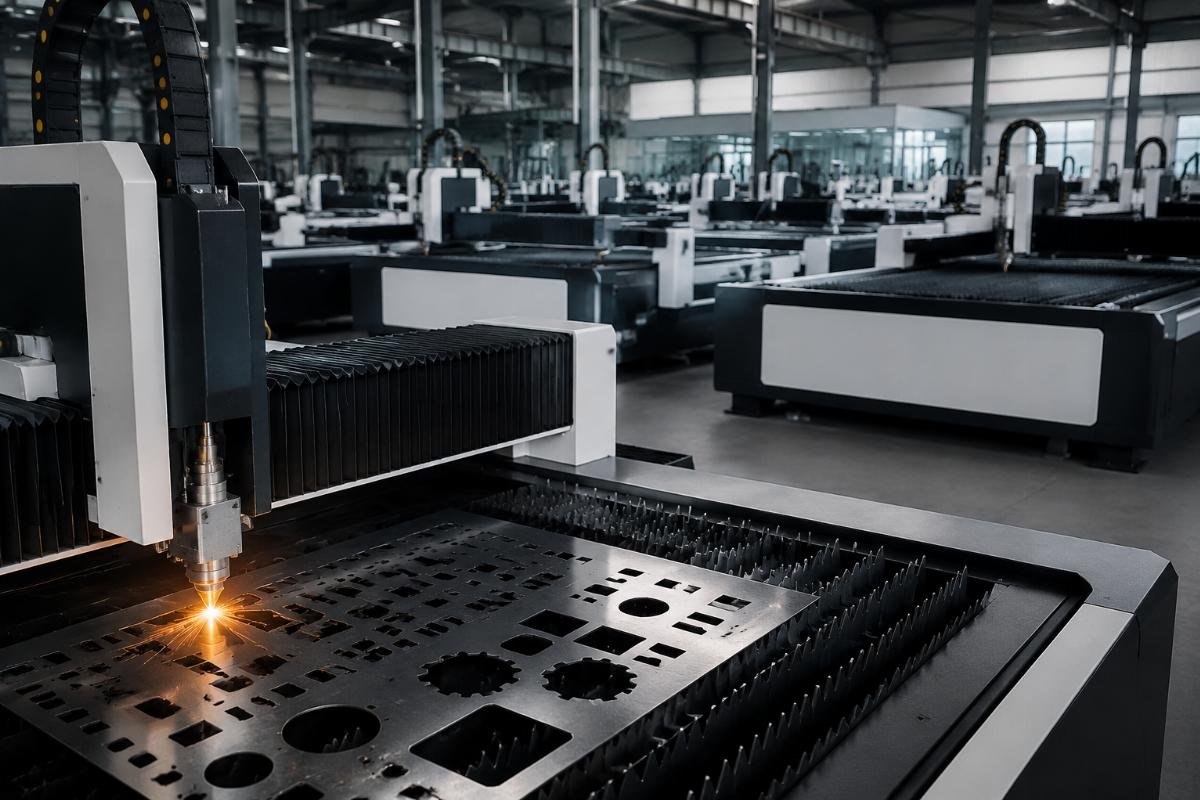
- Certification Verification – Cross reference listed international certifications with issuing bodies to confirm active, valid status for all product lines.
- Reference Request – Ask for contact details of 2 existing Central Asian customers to confirm their experience with support and delivery timelines.
- Configuration Scope Check – Confirm the supplier can adjust work area, tooling and branding to match your specific operational or resale needs without additional hidden surcharges.
What Practical Cooperation Models Work for Both Local Traders and End Factories?
The ideal cooperation structure removes upfront risk for both parties, rather than forcing one side to absorb all the cost of untested equipment. For end production facilities, this means testing a single unit before scaling, and for traders this means low minimum order quantities to test regional demand without tying up large amounts of working capital.
A textile production facility in Samarkand purchased a single CNC fabric cutting unit in mid 2025, and saw multi-layer fabric cutting efficiency improve by 40% while labor costs for the cutting line dropped by 30% within 3 months of deployment. The 1-unit minimum order term meant they did not have to commit to a full line upgrade before validating the workflow, and the ROI for that single unit hit the 18 month payback threshold within the first 6 months of operation, far faster than the 5+ year timeline quoted for equivalent European brand units. [NEED_CITE: Chinese manufactured CNC cutting units deliver 1/3 the return on investment timeline of equivalent European units for Central Asian production volumes]
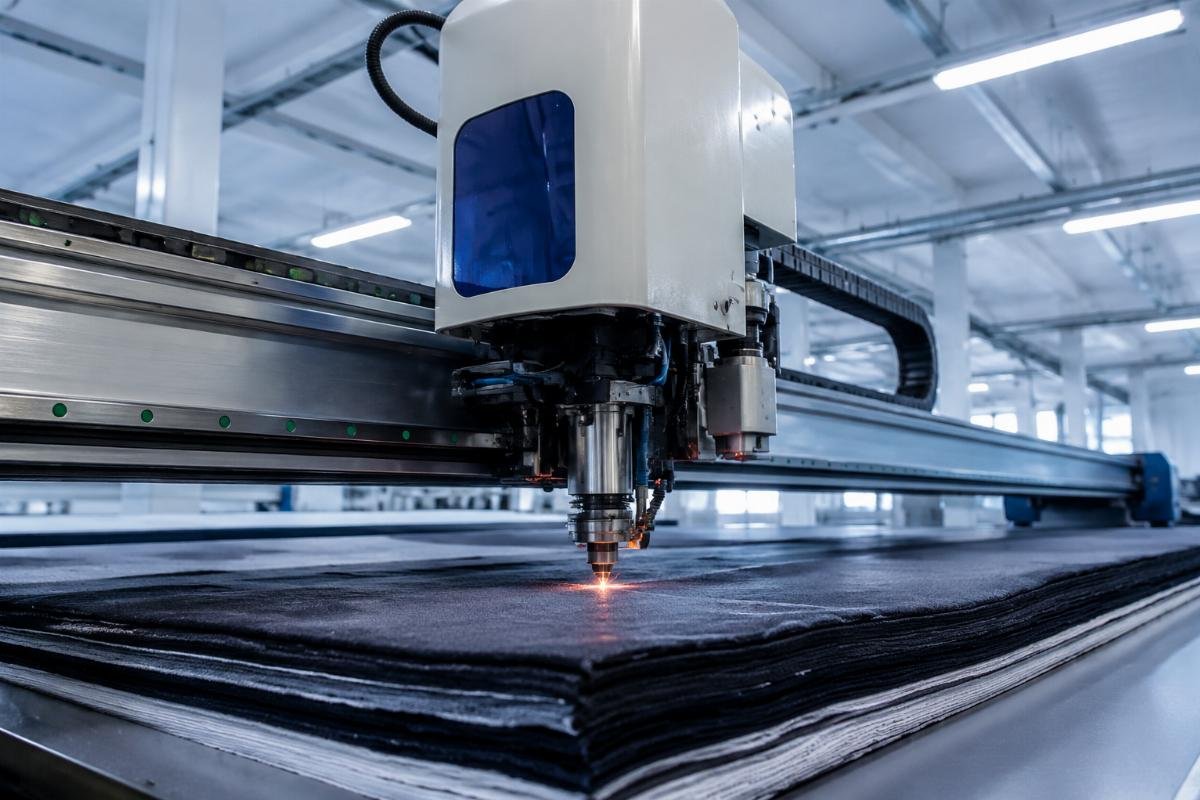
- Trial Unit Order – Start with a single standard or custom configured unit to validate performance for your specific production use case before placing larger bulk orders.
- Support Package Lock In – Formalize access to 24/7 support, free software upgrades and on-site training as part of your purchase agreement to avoid unexpected service fees.
- Scaling Path Alignment – Confirm the supplier has sufficient production capacity (minimum 50 units per month) to support your scaling needs as demand grows across your customer base or production lines.
Conclusion
Sourcing reliable CNC cutting solutions for Kazakhstan and Uzbekistan manufacturing does not require overpaying for international brand equipment or accepting subpar support from unvetted suppliers. The core opportunity for local teams in 2026 is to move past the common misconception that only high-priced western units deliver reliable performance, and instead prioritize suppliers that align with regional production volumes, support needs and flexible ordering terms. This approach delivers not just faster return on investment, but the operational flexibility to adapt as local manufacturing demand continues to grow over the next 3 years.